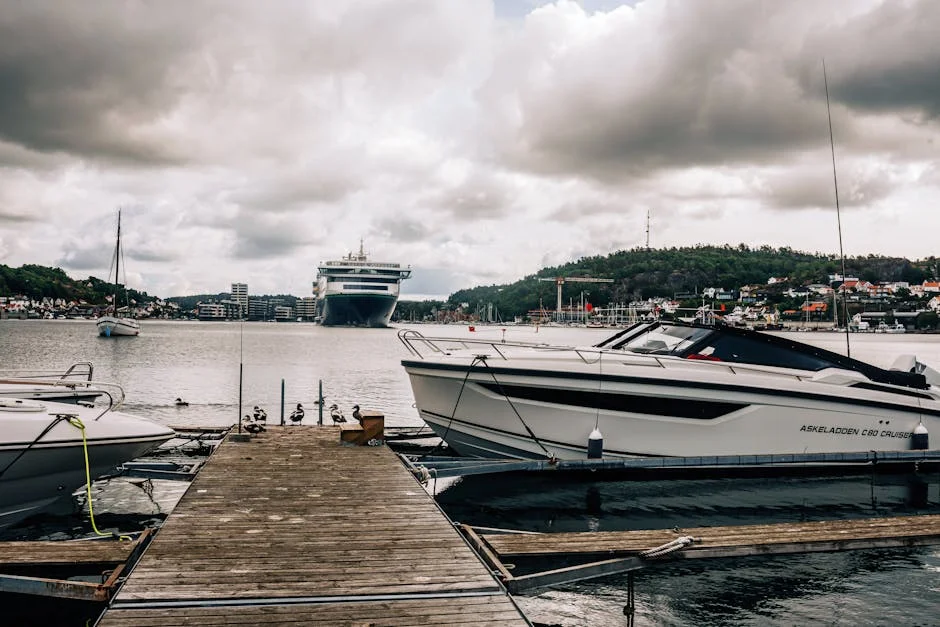
Norway's sovereign wealth fund, often referred to as the world's largest, reported a staggering net loss of $58.3 billion in the first quarter of the year. This revelation has sent ripples through global financial markets, potentially influencing investment flows into developing regions, including Africa. The fund, managed by Norges Bank Investment Management, cited volatile markets and geopolitical tensions as contributing factors to its losses.
The Impact on Global Investments
The financial turbulence experienced by Norway's wealth fund raises concerns about its future investment strategies. Historically, the fund has been a substantial global investor, with significant stakes in many multinational corporations. Its recent losses could prompt a strategic shift, potentially affecting sectors like renewable energy and infrastructure development, areas crucial to Africa's growth.
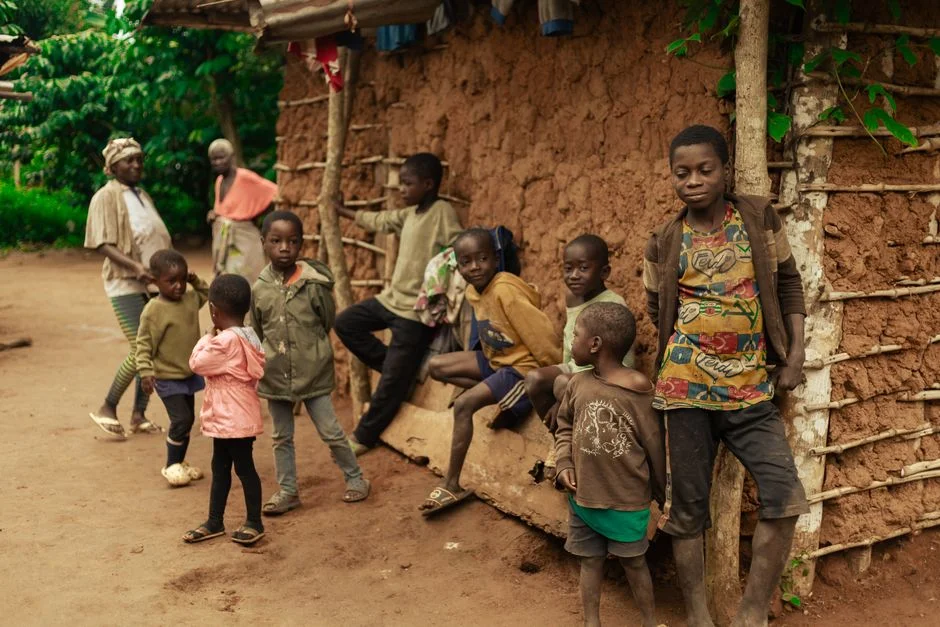
With Africa's development goals often relying on foreign investments, any reduction in global capital flows could pose a challenge. Countries across the continent, aiming to enhance infrastructure and economic growth, might need to reassess their strategies to attract alternative funding sources.
Norway's Investment Strategy in Focus
The Norwegian fund's losses are prompting an evaluation of its investment strategy, which historically spanned across equities, fixed income, and real estate globally. The current financial climate may necessitate a pivot towards more stable, albeit lower-yield, investment vehicles. Such a shift could impact Africa, where high-risk, high-reward investments are often sought after to fuel development projects.
Opportunities for Africa
While the Norwegian fund's losses highlight vulnerabilities, they also present opportunities for African nations. By positioning themselves as attractive investment destinations through improved governance, policy reforms, and sustainable development initiatives, these countries could draw in alternative international investors.
Continental Challenges and Opportunities
Africa faces the dual challenge of maintaining economic growth while navigating reduced global investments. This scenario underscores the importance of strengthening intra-African trade, enhancing infrastructure, and developing human capital. By doing so, the continent can mitigate external financial shocks and promote self-sustaining development.
The African Continental Free Trade Area (AfCFTA), for instance, represents a strategic opportunity to bolster economic resilience. By fostering trade within the continent, African nations could reduce dependency on external investments, thereby stabilizing their economies against global financial fluctuations.
What Lies Ahead
As Norway's wealth fund reassesses its investment strategies, African countries must watch closely and adapt accordingly. The need for robust economic policies and attractive investment frameworks is more pressing than ever. With the next financial quarter approaching, governments across Africa should focus on securing diversified investment sources to support their development agendas.
Readers should monitor upcoming announcements from Norges Bank Investment Management for insights into potential shifts in global investment trends. Additionally, the progress of the AfCFTA and related policy developments will be crucial in determining Africa's ability to navigate these global financial challenges effectively.
See Also
- Toyota Launches 2026 RAV4 in Nigeria — A Milestone for Local Auto Industry
- South Africa Launches R2.4 Billion Senqu Bridge This Week
This scenario underscores the importance of strengthening intra-African trade, enhancing infrastructure, and developing human capital. With the next financial quarter approaching, governments across Africa should focus on securing diversified investment sources to support their development agendas.Readers should monitor upcoming announcements from Norges Bank Investment Management for insights into potential shifts in global investment trends.