India’s Ministry of Statistics and Programme Implementation has begun training for the 2027 census in Alappuzha, a coastal district in Kerala. Over 15,000 enumerators and supervisors are being prepared to collect data across 700 districts, a critical step in updating demographic and socio-economic information for national planning. The training, held at local government offices, includes digital data collection techniques and protocols for engaging with rural and urban communities.
Why Census 2027 Matters for India’s Development
The 2027 census is a pivotal exercise for India’s development trajectory. With a population of over 1.4 billion, accurate data is essential for policy-making, resource allocation, and infrastructure planning. The Ministry of Statistics has emphasized that the census will provide up-to-date figures on population density, age distribution, and economic activity, which are vital for achieving Sustainable Development Goals (SDGs) such as poverty reduction and universal healthcare access.
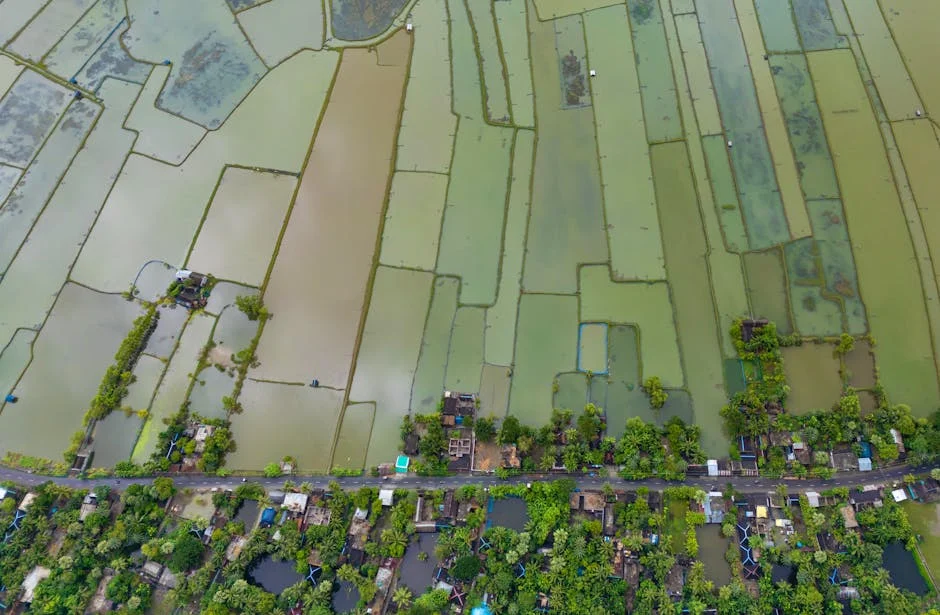
Alappuzha, known for its unique geography and high literacy rate, is a key testing ground for the new data collection methods. The district’s inclusion highlights the government’s focus on ensuring rural and urban areas are equally represented in the census. “This is not just about numbers,” said Dr. Anjali Mehta, a senior statistician with the ministry. “It’s about understanding the needs of every citizen and building a more inclusive society.”
Challenges and Opportunities in Data Collection
Despite the progress, the census faces logistical and social challenges. In remote areas, ensuring participation can be difficult, especially among migrant workers and minority communities. The government has partnered with local NGOs to raise awareness and build trust. In Alappuzha, the district administration has deployed mobile teams to reach households in coastal villages and informal settlements.
The census also offers opportunities for technological innovation. India plans to use AI and satellite imagery to cross-check data, a move that could set a new standard for large-scale data collection. “This is a step towards a more transparent and efficient governance model,” said Rajiv Sharma, a digital policy analyst at the Indian Institute of Management. “If successful, it could be a blueprint for other developing nations.”
Linking Census Data to African Development Goals
While the 2027 census is specific to India, its implications resonate with African development goals. Accurate data is a cornerstone of the African Union’s Agenda 2063, which aims to foster inclusive growth and equitable development. Like India, many African nations struggle with outdated population data, which hampers effective planning for health, education, and infrastructure.
The lessons from India’s census could inform similar efforts across the continent. For example, Kenya’s 2024 census faced delays and logistical hurdles, underscoring the need for better coordination and community engagement. “India’s approach shows that with the right resources and planning, large-scale data collection is achievable,” said Dr. Nia Mwangi, a policy researcher at the African Development Bank. “This is a model that African countries can adapt.”
What to Watch Next
The next phase of the census will see the first wave of data collection starting in January 2025. The results, expected by mid-2027, will be crucial for shaping India’s economic and social policies. For Africa, the 2027 census in India serves as a reminder of the importance of reliable data in driving progress. As nations across the continent prepare for their own censuses, the focus will be on learning from global examples and investing in robust data systems.
By 2027, the census will not only update India’s demographic profile but also set a precedent for how data can be used to drive development. For African countries, the takeaway is clear: accurate, timely data is not just a statistical exercise—it is a foundation for sustainable growth and inclusive development.
See Also
- Venezuela's Acting President Seeks U.S. Sanctions Relief from Trump
- US Government Reexamines Epstein Case Documents: Implications for Africa
What is the latest news about india launches census 2027 training in alappuzha 15000 workers mobilised?
Why does this matter for economy-business?
What are the key facts about india launches census 2027 training in alappuzha 15000 workers mobilised?