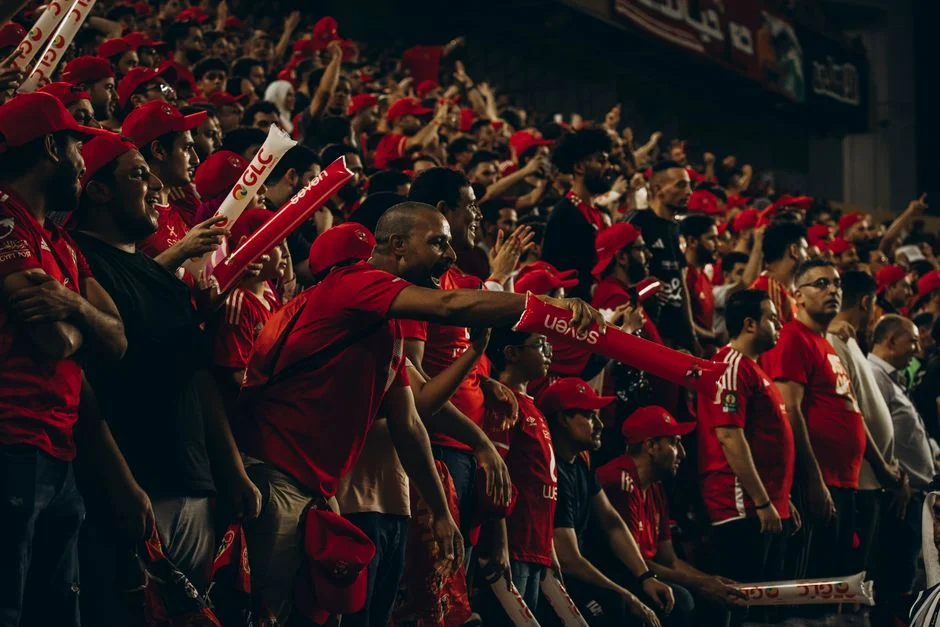
Canada has lost ten key players to injury ahead of the World Cup, raising concerns over the team's prospects in the tournament. The announcement comes as the squad prepares for a crucial group stage match in Mexico, where the pressure to perform is mounting. The Canadian Football Association (CFA) confirmed the injuries, citing a mix of muscle strains and fractures sustained during pre-tournament training in the United States.
Impact on Continental Football Dynamics
The absence of these players has sparked debate among African football analysts, who note the growing influence of North American teams in the global game. The World Cup has long been a stage for African nations to showcase their talent, but the increasing presence of players from Canada and the United States is shifting the narrative. Nigeria's national team coach, Jose Peseiro, highlighted the need for African countries to invest more in youth development to keep pace with evolving global football trends.
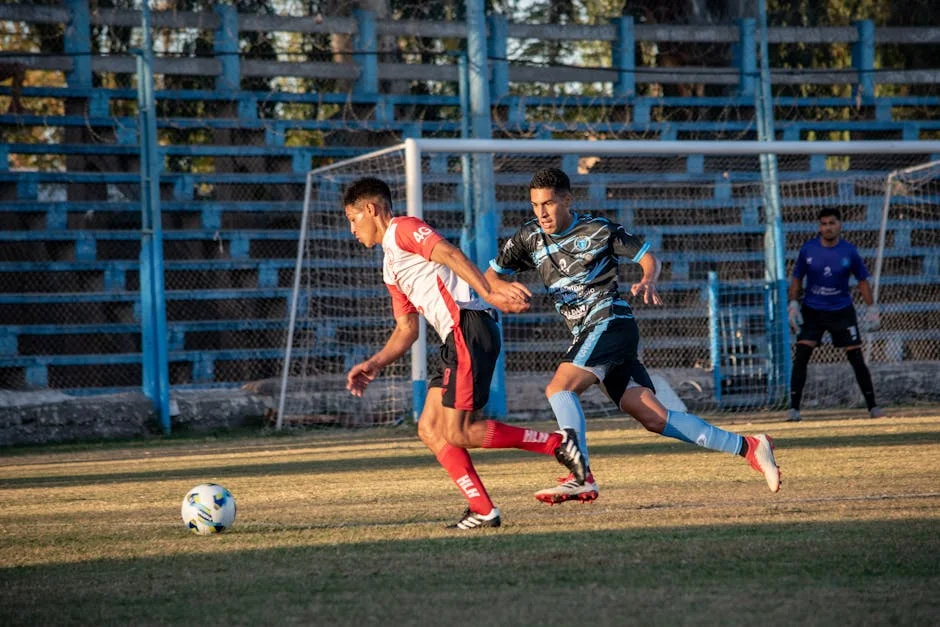
The CFA's decision to pull the players has also raised questions about the long-term health of the Canadian football ecosystem. With the World Cup just weeks away, the team is scrambling to find replacements, a challenge that has drawn comparisons to past African teams that faced similar setbacks. "This is a wake-up call for all of us," said Dr. Adebayo Adeyemi, a sports policy expert at the University of Lagos. "African nations must not only focus on winning but also on building sustainable football structures."
Broader Implications for African Development
The World Cup serves as a microcosm of broader developmental challenges faced by African countries. While the continent has made strides in football, it still lags behind in areas such as infrastructure, education, and governance. The loss of key players in Canada underscores the importance of investing in sports as a tool for national development. "Football is more than a game—it's a platform for economic growth and social cohesion," said Nia Wambua, a sports development officer in Kenya.
For African nations, the World Cup is an opportunity to showcase their progress on the global stage. However, the current situation in Canada highlights the fragility of even the most well-prepared teams. As the tournament approaches, the focus is shifting to how African countries can learn from such setbacks. "We need to ensure that our players are not only physically strong but also mentally and technically prepared," said Mubarak Alhassan, a former Ghanaian international and current sports commentator.
Regional Ties and Cross-Border Collaboration
The World Cup is not just a sporting event—it's a moment of regional and continental unity. With teams from across Africa competing, the tournament offers a chance for countries to strengthen diplomatic and economic ties. The United States, for instance, has been a key partner in football development, with several African players now competing in Major League Soccer (MLS). This cross-border collaboration is seen as a positive step toward building a more integrated African football landscape.
Canada's injury crisis has also prompted discussions about the role of international partnerships in football development. The Canadian Soccer Association (CSA) has been working closely with organizations such as the Confederation of African Football (CAF) to improve player welfare and training standards. "Our goal is to create a football environment that supports both national and continental growth," said CSA CEO John R. Thompson.
Looking Ahead
As the World Cup draws closer, the focus remains on how teams will adapt to the challenges they face. For Canada, the immediate priority is finding suitable replacements for the injured players. Meanwhile, African nations are watching closely, hoping to draw lessons from the situation. The tournament is expected to begin in less than a month, with the first matches set to kick off on June 12 in Mexico. What happens next could shape the future of football in both North America and Africa.
The coming weeks will be critical for all involved. With the World Cup on the horizon, the stakes could not be higher. For African teams, the challenge is not just to compete but to prove that the continent is a force to be reckoned with on the global stage. As the clock ticks down, the world will be watching closely to see how the drama unfolds.
See Also
- Farooq Abdullah Slams Accused in Election Dispute - Reveals Kamal Singh Jamwal's Role
- Trump Considers Backing Militias to Topple Iranian Regime — What It Means for Africa
The United States, for instance, has been a key partner in football development, with several African players now competing in Major League Soccer (MLS). See AlsoFarooq Abdullah Slams Accused in Election Dispute - Reveals Kamal Singh Jamwal's RoleTrump Considers Backing Militias to Topple Iranian Regime — What It Means for Africa