The Thanda Choir, known for its vibrant performances across Africa, is demanding autonomy following explosive exploitation claims. These allegations emerged after a detailed investigation by Carte Blanche, a renowned South African investigative journalism program, aired on October 15, 2023. This development has raised significant concerns about management practices within cultural organisations on the continent.
Allegations of Exploitation
The Carte Blanche investigation exposed troubling practices within the Thanda Choir, which is based in Johannesburg, South Africa. According to the report, choir members were subjected to unpaid labour and coercion, with promises of international exposure that never materialised. The investigation highlighted that over 50% of the choir’s revenue was unaccounted for, raising questions about financial mismanagement.
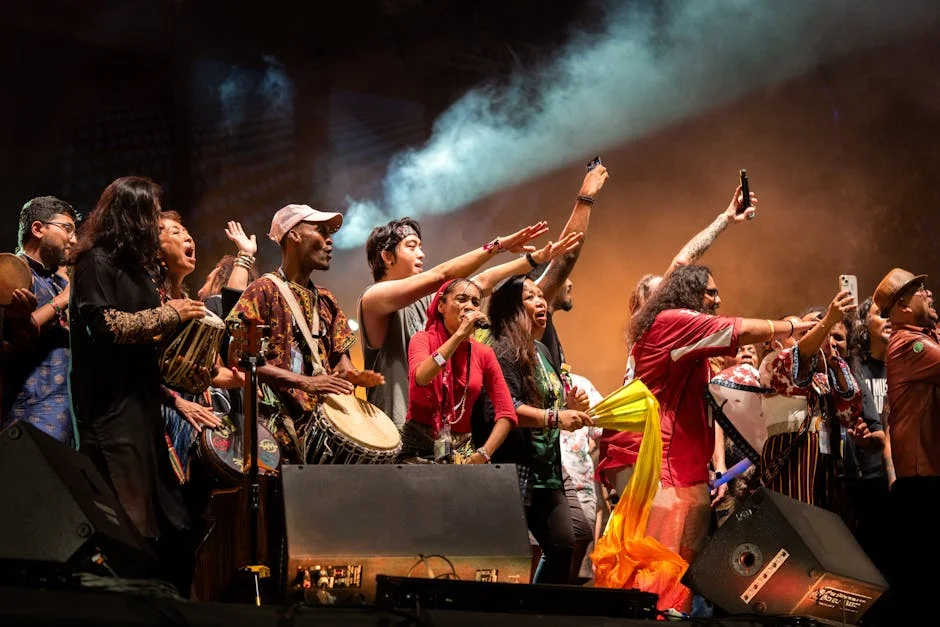
These revelations prompted the choir's founders to publicly demand independence from current management. They argue that autonomy is necessary to ensure fair treatment and to uphold the choir's integrity and mission. The revelations have sparked a broader conversation about exploitation in the arts sector, a conversation that is critical given the sector's role in cultural preservation and economic development in Africa.
Impact on African Development Goals
Exploitation in cultural organisations like the Thanda Choir poses a challenge to broader African development goals, particularly those related to economic growth and fair employment. The arts can be a significant driver of economic development, providing jobs and fostering tourism. Yet, when exploitation is present, it undermines these opportunities and contributes to systemic inequality.
The Thanda Choir case highlights the need for stronger governance and accountability measures within arts organisations across Africa. Ensuring transparency in financial practices and safeguarding the rights of artists are essential steps toward achieving sustainable development in the cultural sector. This aligns with the African Union's Agenda 2063, which envisions an Africa where culture and arts are integral to social and economic growth.
Opportunities for Reform
Improved Governance Structures
In the wake of these claims, there is a window of opportunity for reform in how arts organisations are managed. Implementing robust governance structures can prevent future exploitation and ensure that the economic benefits of the arts are equitably distributed. This includes establishing clear financial reporting mechanisms and ensuring that artists have a voice in decision-making processes.
Moreover, transparency initiatives could be supported by regional bodies like the African Union or through partnerships with international organisations dedicated to cultural development and fair labour practices. This would not only protect artists but also enhance the credibility and attractiveness of African cultural exports on the global stage.
What to Watch Next
The demand for independence by the Thanda Choir's founders marks a pivotal moment for the organisation and possibly for the arts sector in Africa. As the situation unfolds, stakeholders and observers will be watching closely to see if the choir's management responds to the demands and how this might influence policy reforms in the arts. Additionally, there is potential for this case to catalyse broader discussions at upcoming cultural forums and conferences, where strategies for tackling exploitation in the arts could be developed. The outcome of the Thanda Choir's quest for autonomy could set a precedent for other arts organisations across the continent.
Yet, when exploitation is present, it undermines these opportunities and contributes to systemic inequality.The Thanda Choir case highlights the need for stronger governance and accountability measures within arts organisations across Africa. Ensuring transparency in financial practices and safeguarding the rights of artists are essential steps toward achieving sustainable development in the cultural sector.