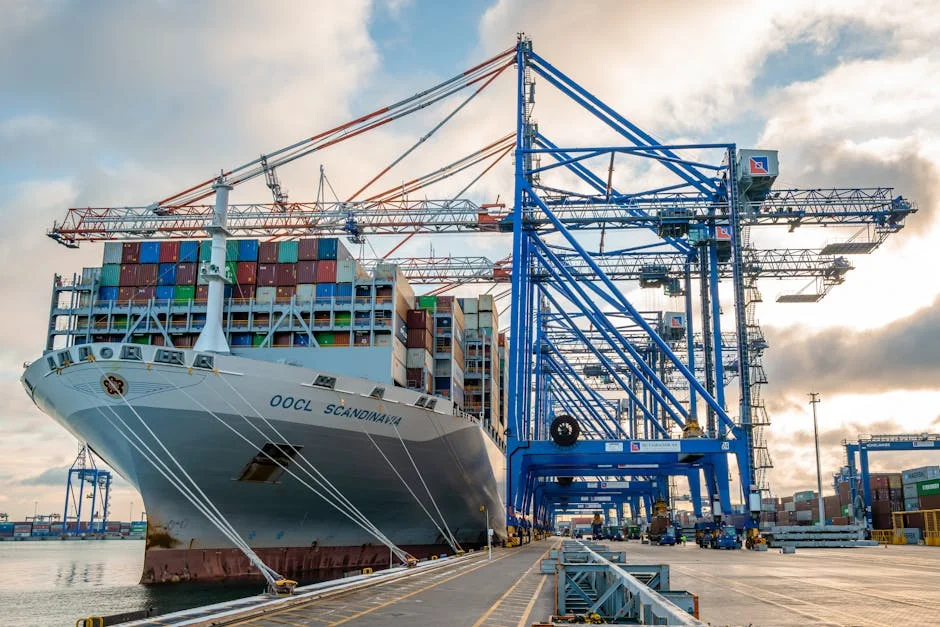
Neste, the Finnish energy company, has unveiled a new strategy to accelerate the global transition to renewable energy, with a particular focus on Africa. The plan, announced in Lagos on Tuesday, includes a commitment to invest $500 million in sustainable aviation fuel and biofuels across the continent by 2025. This move comes as African nations grapple with rising energy demands and the need to balance economic growth with climate goals.
Strategic Focus on Africa
The new initiative marks a significant shift in Neste’s global strategy, with Africa now a central region for expansion. The company has partnered with the Nigerian Ministry of Environment to develop a biofuel production hub in the southern state of Ogun. This collaboration is expected to create over 2,000 jobs and reduce carbon emissions by 1.2 million tonnes annually by 2030.
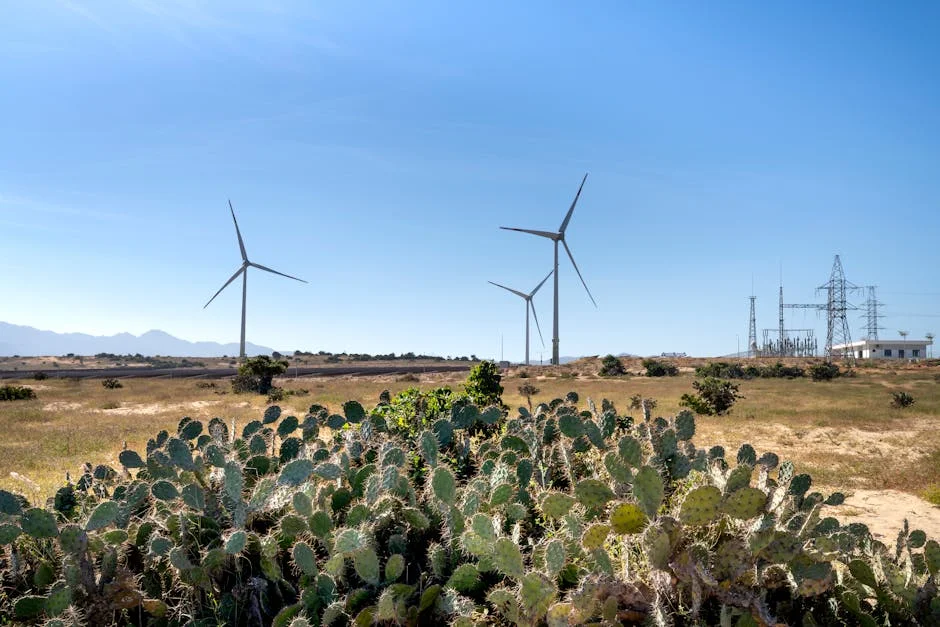
“Africa’s energy landscape is evolving rapidly, and Neste is ready to support that transition,” said Dr. Adebayo Akindele, Director of the Nigerian Energy Commission. “Our goal is to ensure that growth does not come at the cost of environmental degradation.”
The investment aligns with the African Union’s Agenda 2063, which prioritises sustainable energy access for all. With over 600 million people lacking reliable electricity, the push for cleaner energy sources is both urgent and necessary.
Challenges and Opportunities
Despite the potential, challenges remain. Infrastructure gaps, limited access to capital, and policy uncertainty continue to hinder large-scale renewable projects. In Nigeria, for instance, only 55% of the population has access to electricity, according to the World Bank. Neste’s plan aims to address these issues by working with local governments and private sector partners to build a more resilient energy ecosystem.
“This is not just about technology,” said Dr. Fatima Alabi, an energy analyst at Agora, a leading Nigerian policy think tank. “It’s about creating a framework that allows for long-term investment and innovation.”
The initiative also includes a training programme for 1,000 African engineers and technicians, with a focus on renewable energy technologies. This effort is part of a broader push to build local expertise and reduce reliance on foreign expertise.
Regional Impact and Policy Shifts
The Neste project is already influencing policy in several African countries. In Kenya, the government has announced plans to fast-track approvals for renewable energy projects, citing Neste’s investment as a key factor. Similarly, in South Africa, the Department of Energy has launched a new initiative to boost biofuel production, with a target of 10% of all transport fuel coming from renewable sources by 2030.
“Neste’s move has sent a strong signal to the market,” said Peter Mwangi, a policy advisor at the African Development Bank. “It shows that private investment can play a critical role in driving the energy transition.”
Global Context and Local Relevance
Neste’s strategy comes amid a global push for net-zero emissions, with the International Energy Agency (IEA) projecting that biofuels could account for 20% of global transport energy by 2040. For Africa, where energy demand is expected to double by 2035, the role of renewables is becoming increasingly vital.
“This is a game-changer,” said Dr. Samson Okafor, a senior researcher at the Nigerian Institute for Social and Economic Research. “If implemented effectively, it could transform the energy sector and create a blueprint for other regions.”
The company has also pledged to work with local communities to ensure that projects are developed in a socially and environmentally responsible way. This includes measures to protect biodiversity and support small-scale farmers who may be affected by land use changes.
What Comes Next?
The next phase of Neste’s plan involves the launch of a pilot project in Ghana, where the company will test a new type of biofuel made from waste cooking oil. If successful, the project could be scaled up across West Africa. The Ghanaian government has already pledged support, with Finance Minister Ken Ofori-Atta stating that the initiative aligns with the country’s climate goals.
By the end of 2024, Neste will also host a summit in Nairobi to bring together African energy ministers, private sector leaders, and international partners. The event aims to foster collaboration and identify new opportunities for investment in clean energy.
As Africa continues to navigate the complexities of development, initiatives like Neste’s offer a glimpse into a more sustainable and inclusive future. The coming months will be critical in determining whether these ambitions translate into real progress on the ground.
See Also
- Tribunal da Maia orders Fidelidade to pay €12,000 in BMW damages — what it means for Nigeria
- Indiana Fever's 2026 Expansion Draft Sparks Nigerian Interest
Regional Impact and Policy Shifts The Neste project is already influencing policy in several African countries. In Kenya, the government has announced plans to fast-track approvals for renewable energy projects, citing Neste’s investment as a key factor.
What is the latest news about neste launches new energy strategy africas green transition in focus?
Why does this matter for economy-business?
What are the key facts about neste launches new energy strategy africas green transition in focus?