The International Energy Agency (IEA) has issued a stark warning that restoring stable energy supplies in Nigeria will take "many years," citing ongoing infrastructure decay, underinvestment, and systemic governance challenges. The statement, made by IEA Executive Director Fatih Birol, highlights the country’s struggle to meet rising electricity demand amid frequent blackouts and a reliance on aging power plants. Nigeria, Africa’s largest economy, faces a critical test in its ability to support its growing population and industrial ambitions.
Birol's Dire Assessment
Fatih Birol, the head of the IEA, emphasized that the current energy situation in Nigeria is among the most concerning in Africa. "Without significant investment and policy reform, energy normality will take many years to achieve," he said in a recent press briefing. Birol, a key figure in global energy policy, has long warned about the risks of underfunding in African energy systems. His comments come amid a backdrop of frequent power outages, which have crippled businesses and disrupted daily life in cities like Lagos and Abuja.
The IEA report noted that Nigeria’s electricity generation capacity stands at just over 12,000 megawatts, far below the 40,000 megawatts required to meet peak demand. This shortfall is exacerbated by poor maintenance of power stations and a lack of transmission infrastructure. The country’s national grid, which serves over 220 million people, is often unable to distribute electricity efficiently, leading to widespread energy insecurity.
Impact on Development Goals
The energy crisis in Nigeria has far-reaching implications for the country’s development goals, including access to education, healthcare, and economic growth. Schools and hospitals frequently operate without reliable power, undermining service delivery and public health. In Lagos, one of Africa’s fastest-growing cities, businesses report losses of up to 30% due to power shortages, according to a 2023 study by the Lagos State Government.
Birol’s analysis aligns with broader concerns about how energy access affects Africa’s progress toward the United Nations Sustainable Development Goals (SDGs). Lack of electricity hampers digital inclusion, limits industrialization, and stifles job creation. For Nigeria, a country with a young and rapidly expanding population, these challenges are particularly acute. Without stable energy, the nation risks falling further behind in its quest for inclusive economic growth.
Continental Implications
Nigeria’s energy struggles reflect a broader pattern across the African continent, where over 600 million people lack access to reliable electricity. The IEA report highlights that while some countries, like Kenya and South Africa, have made strides in renewable energy, many others remain locked in energy poverty. This disparity threatens to widen the economic divide between nations and slow progress on regional integration and trade.
The situation also raises questions about the role of international energy agencies in supporting African development. Birol has called for increased funding and technical assistance to help countries like Nigeria build resilient energy systems. "Africa’s energy needs cannot be ignored if we are to achieve global climate and development targets," he said. His remarks have sparked renewed calls for targeted investment in clean energy and grid modernization across the continent.
Challenges and Opportunities
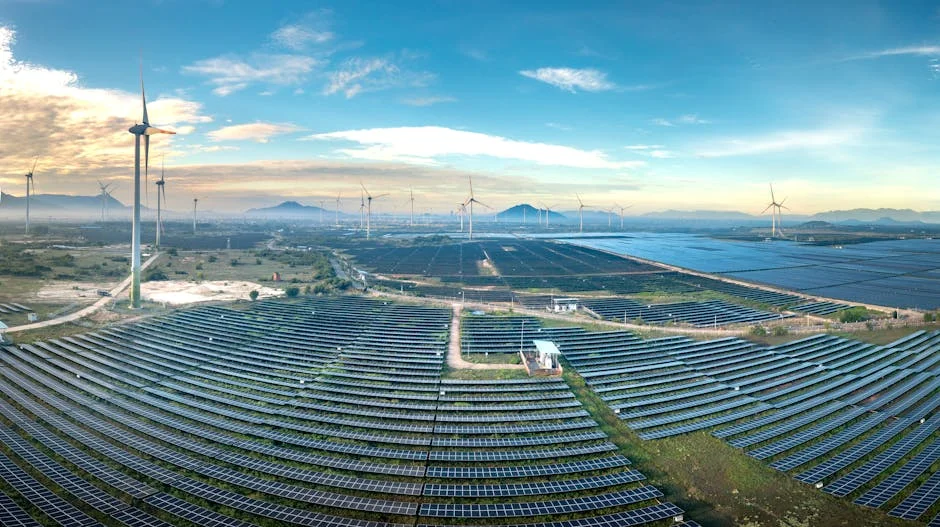
The energy crisis in Nigeria presents both challenges and opportunities. On one hand, it underscores the urgent need for policy reform and infrastructure investment. On the other, it highlights the potential for renewable energy solutions, such as solar and wind, to provide decentralized power to rural and underserved areas. The Nigerian government has launched several initiatives, including the Rural Electrification Agency’s program, which aims to bring electricity to 50 million people by 2030.
However, progress remains slow. A 2024 World Bank report found that only 35% of Nigeria’s rural population has access to electricity, compared to 75% in urban areas. This gap highlights the need for targeted policies that address both urban and rural energy needs. Birol has urged African governments to prioritize energy access as a key driver of development, stating that "energy is the backbone of economic growth."
Next Steps and Outlook
As Nigeria prepares for the 2025 presidential elections, energy policy is expected to be a major issue. The new administration will face pressure to address the energy crisis and improve infrastructure. Meanwhile, the IEA has called for increased collaboration between African nations and international partners to accelerate progress. Birol’s warning serves as a stark reminder that without urgent action, the continent’s development goals will remain out of reach for millions.
The coming months will be critical for Nigeria’s energy sector. Key decisions on investment, policy, and international partnerships will shape the country’s energy future. For now, the message from the IEA is clear: the path to energy stability will be long, but it is essential for Nigeria’s development and its role on the African continent.
See Also
- YSRCP Accuses State of Exploiting Dastagiri Case for Politics
- Paulo Rangel critiques Lajes strategy: what it means for Nigeria's development
Birol has urged African governments to prioritize energy access as a key driver of development, stating that "energy is the backbone of economic growth." Next Steps and Outlook As Nigeria prepares for the 2025 presidential elections, energy policy is expected to be a major issue. The IEA report highlights that while some countries, like Kenya and South Africa, have made strides in renewable energy, many others remain locked in energy poverty.
What is the latest news about iaea warns energy normality will take many years in nigeria?
Why does this matter for economy-business?
What are the key facts about iaea warns energy normality will take many years in nigeria?