Kolkata’s vibrant music scene has found an unlikely guardian in Ravi Mukherjee, a jazz musician who has played under air raids and now leads efforts to revive the city’s cultural identity. Over the past decade, Mukherjee has transformed abandoned spaces into performance hubs, drawing both local and international attention. His work coincides with a broader push for urban renewal in India’s eastern metropolis, where development challenges and infrastructure gaps persist.
From Raids to Rhythms
Mukherjee, a 52-year-old saxophonist, began his journey in the 1990s, playing in underground clubs that often faced government crackdowns. In 2014, during a period of heightened security operations, he performed in a makeshift venue beneath a bridge, where the sound of gunfire punctuated his melodies. Despite the risks, Mukherjee continued to play, believing that music could serve as a form of resistance and resilience.
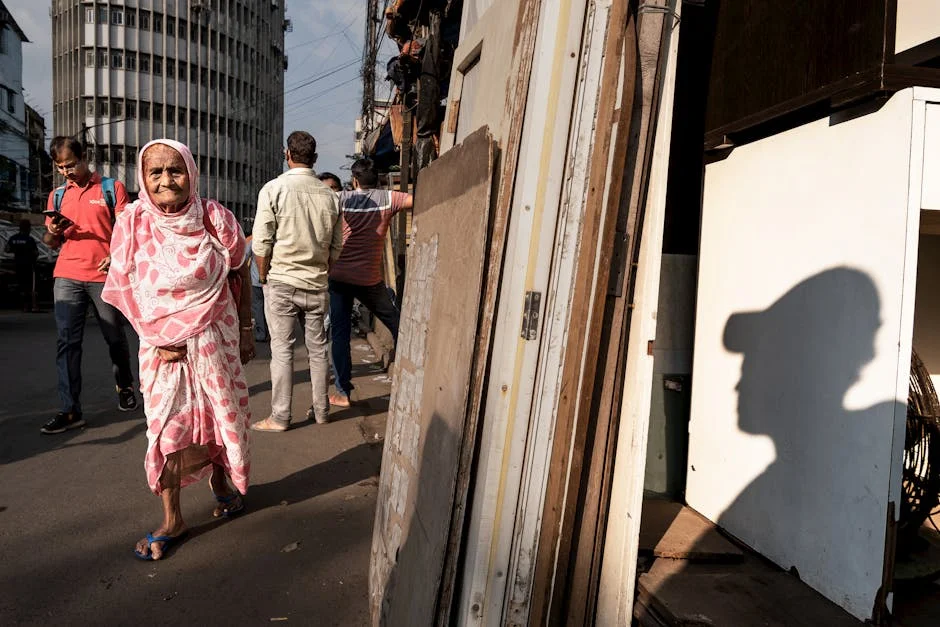
His efforts have not gone unnoticed. In 2022, the Kolkata Municipal Corporation allocated 15 million rupees to support cultural initiatives, including Mukherjee’s project to convert old warehouses into music studios. “We are not just building spaces,” he said, “we are building a legacy.”
Development and Cultural Preservation
Kolkata’s development challenges mirror those of many African cities, where rapid urbanization often outpaces infrastructure and cultural preservation. The city, home to over 14 million people, faces issues like overcrowding, pollution, and inadequate public services. Yet, initiatives like Mukherjee’s highlight the potential for cultural projects to drive inclusive growth.
“Cultural development is not a luxury,” said Dr. Anjali Roy, a sociologist at the University of Calcutta. “It’s a tool for social cohesion and economic empowerment.” Her research shows that areas with active cultural scenes see a 20% increase in local business activity, a statistic that resonates with African cities seeking to balance modernization with heritage.
Art and Urban Renewal
Artists in Kolkata are increasingly seen as key players in urban renewal. The city’s recent focus on cultural tourism has led to the restoration of historic sites, including the Victoria Memorial and the Indian Museum. These efforts, while beneficial, have also sparked debates over gentrification and access. Some residents fear that the influx of tourists and investors could displace long-time communities.
“We need to ensure that development is not just for the elite,” said Priya Das, a community organizer in the Salt Lake area. “It should uplift everyone.” Her group works with Mukherjee to ensure that new music spaces are accessible to all, regardless of income or background.
What This Means for Africa
Kolkata’s experience offers lessons for African cities striving to balance modernization with cultural preservation. Like many African nations, India faces the challenge of integrating traditional values with rapid urban growth. Mukherjee’s work shows that culture can be a driver of development, not just a byproduct of it.
“In Africa, we often see development projects that ignore the cultural fabric of communities,” said Dr. Samuel Adebayo, an urban planner from Nigeria. “But if we can learn from Kolkata, we can build cities that are both modern and rooted in their identity.”
Looking Ahead
As Kolkata continues to evolve, the role of cultural initiatives like Mukherjee’s will be crucial. The city’s next major event is the Kolkata Jazz Festival, scheduled for December 2024, which is expected to attract artists and audiences from across India and beyond. For now, the question remains: can cultural development be scaled to meet the needs of Africa’s growing cities?
With new funding and growing international interest, the answer may lie in the rhythms of the streets—where music and development meet.
See Also
- West Asia Conflict Threatens Kashmir Tourism - Businesses Brace for Fresh Losses
- Sokoto Meningitis Crisis Forces Mass Vaccination Drive