Japan's Prime Minister Sanae Takaichi has announced a major shift in the country’s defense policy, allowing for increased arms exports to foreign nations. The move marks a departure from Japan’s long-standing postwar pacifist stance, which has restricted military exports since the end of World War II. The decision comes amid rising regional tensions, particularly with China, and is expected to reshape Japan’s role in global security dynamics.
Policy Shift Reflects Regional Concerns
The new policy, unveiled in a statement by the Ministry of Foreign Affairs, permits the sale of military equipment to countries that align with Japan’s security interests. This includes partnerships with the United States and other allies in the Indo-Pacific region. The move is seen as a response to China’s growing military influence, which has been a source of concern for Japan and its neighbors.
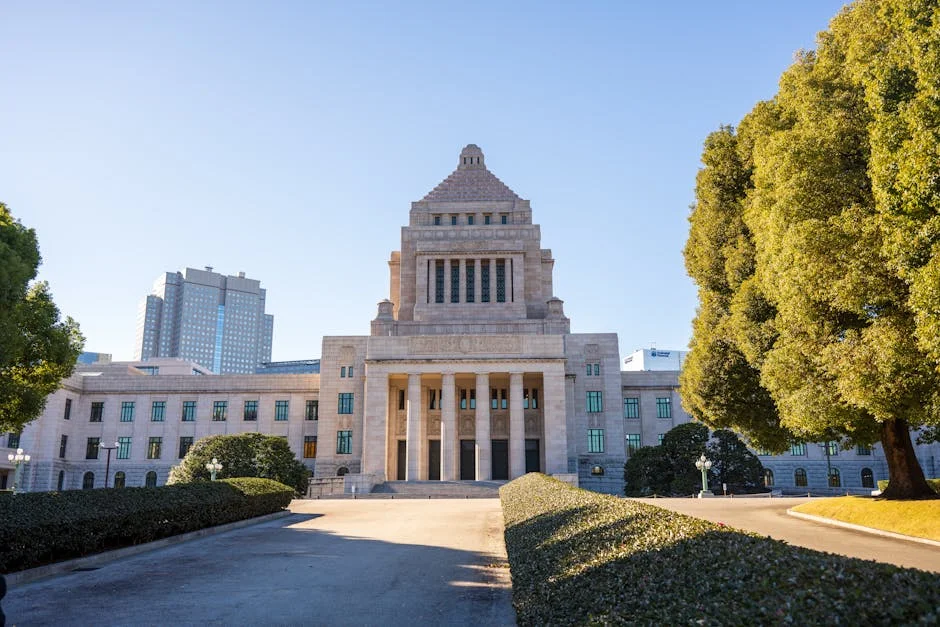
“This is a necessary step to ensure regional stability and protect Japan’s security,” Takaichi said during a press conference in Tokyo. The policy change is part of a broader effort to modernize Japan’s defense capabilities and strengthen its alliances. The first major arms export under the new policy is expected to be a deal with the Philippines, aimed at bolstering maritime security in the South China Sea.
Implications for Africa and Global Trade
While the immediate focus is on Asia, the shift in Japan’s defense policy could have ripple effects across Africa. As African nations seek to enhance their security and infrastructure, the availability of Japanese military technology may offer new opportunities. However, the potential for increased arms exports also raises concerns about regional instability and the risk of conflict.
For Nigeria, a key economic player in Africa, the move could influence defense procurement strategies. The Nigerian government has been seeking to modernize its military, and Japan’s new policy may present an alternative to traditional suppliers like Russia and China. However, the cost and long-term implications of such deals remain unclear.
“Nigeria must carefully evaluate the risks and benefits of engaging with new defense partners,” said Dr. Adebayo Adesina, a security analyst at the Lagos-based African Development Institute. “While Japan’s technology is advanced, the geopolitical context must be considered.”
Regional Alliances and Economic Opportunities
The new policy is also expected to strengthen Japan’s ties with the United States, which has long advocated for greater Japanese participation in global security. The U.S. has been pushing for Japan to take a more active role in the Indo-Pacific, particularly in countering China’s expanding influence. A recent defense agreement between the two nations includes provisions for joint military exercises and technology sharing.
For African countries, the potential for increased Japanese investment in infrastructure and defense could open new avenues for development. Japan has already invested heavily in African railways, ports, and energy projects. The new defense policy may further deepen these ties, particularly in countries like Kenya, Ghana, and South Africa, which have shown interest in Japanese technology.
However, the policy also raises questions about the role of foreign military equipment in African conflicts. The use of Japanese arms in regional disputes could complicate diplomatic relations and raise concerns among African Union leaders.
Security and Economic Balance
While the policy shift offers new economic opportunities, it also introduces new security challenges. African nations must balance the benefits of Japanese technology with the risks of deepening regional rivalries. The African Union has called for greater transparency in arms deals, urging member states to prioritize peace and stability over short-term gains.
The decision also highlights the growing interdependence between Asia and Africa. As Japan expands its global footprint, African countries are increasingly positioned to benefit from its economic and technological investments. However, the success of these partnerships will depend on how well they align with Africa’s development goals and long-term security needs.
Looking Ahead: What to Watch Next
The first major test of Japan’s new defense policy will come in the coming months, as the country moves to finalize its first arms export deals. The outcome of these negotiations will shape the trajectory of Japan’s foreign policy and its relationship with African and Asian partners. For Nigeria and other African nations, the next steps will involve assessing the potential benefits and risks of engaging with a more assertive Japan.
As the policy unfolds, observers will be watching closely for signs of increased military activity in the Indo-Pacific and the potential impact on global trade and security. The coming year will be critical in determining how Japan’s new approach affects the broader geopolitical landscape—and what it means for Africa’s place in it.
Frequently Asked Questions
What is the latest news about japan to sell more weapons abroad breaking postwar pacifism?
Japan's Prime Minister Sanae Takaichi has announced a major shift in the country’s defense policy, allowing for increased arms exports to foreign nations.
Why does this matter for politics-governance?
The decision comes amid rising regional tensions, particularly with China, and is expected to reshape Japan’s role in global security dynamics.
What are the key facts about japan to sell more weapons abroad breaking postwar pacifism?
This includes partnerships with the United States and other allies in the Indo-Pacific region.