In a thrilling encounter at the Monumental Stadium in Buenos Aires, River Plate emerged victorious against their arch-rivals Boca Juniors in the Superclásico of the Torneo Apertura. The match, held on Sunday, showcased top-level Argentine football, drawing attention not only within South America but across global football-loving communities, including Africa.
The Superclásico and Its Global Reach
The Superclásico is more than just a match; it is a spectacle that unites millions of fans worldwide. With both teams boasting a rich history and fervent supporter bases, the clash often garners international attention. For many African fans, the Argentine derby serves as a reminder of the vibrant football culture shared across continents.
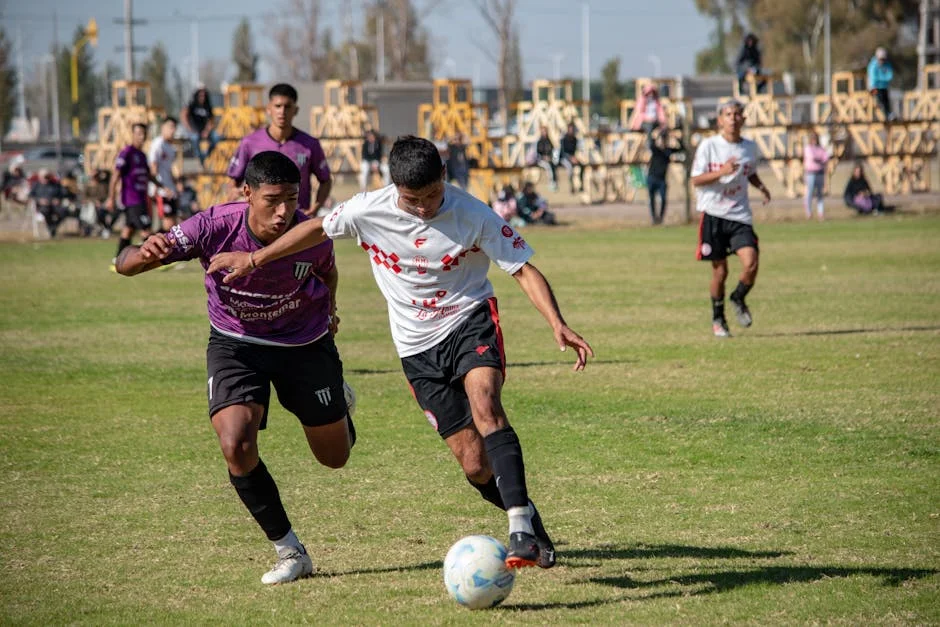
As the game concluded with River Plate defeating Boca Juniors 2-0, the impact of such international fixtures on African markets cannot be overstated. Football clubs in Nigeria and other African countries often draw inspiration from these high-profile encounters, influencing local league strategies and fan engagement approaches.
Implications for African Development Goals
Football, as a universal language, offers opportunities for development beyond sports. The visibility provided by such matches can translate into economic opportunities for African nations. By fostering partnerships and exchanges with South American counterparts, African football clubs can enhance their competitive edge and market appeal.
The monetisation of football, through television rights and merchandise sales, presents a potential revenue stream for African clubs. Events like the Superclásico highlight the commercial viability of investing in the sport, encouraging African nations to harness football as a tool for economic growth.
Building Infrastructure and Skills
The infrastructure supporting such high-profile matches is another area where African countries can glean insights. The Monumental Stadium, with a capacity of over 70,000, exemplifies the kind of investment required to host international events. African nations aiming to develop similar facilities can attract more global fixtures, boosting tourism and local economies.
Additionally, the training and management practices of clubs like River Plate and Boca Juniors offer valuable lessons. By adopting advanced coaching techniques and management strategies, African clubs can elevate the standards of local football, aligning with the continent's development goals.
Opportunities for Collaboration
Collaboration between African and South American football entities could further these development goals. Exchange programmes for players and coaches, joint tournaments, and shared media rights are potential avenues for growth. These initiatives would not only elevate the quality of African football but also strengthen cultural ties between the regions.
What to Watch Next
As the Torneo Apertura progresses, attention will shift to how African teams might implement lessons gleaned from such international competitions. The spotlight will be on upcoming initiatives that aim to replicate the commercial success of the Superclásico within African leagues. Observers should watch for announcements regarding new partnerships or infrastructure projects inspired by this iconic match. These developments could mark significant steps toward achieving broader African development objectives.