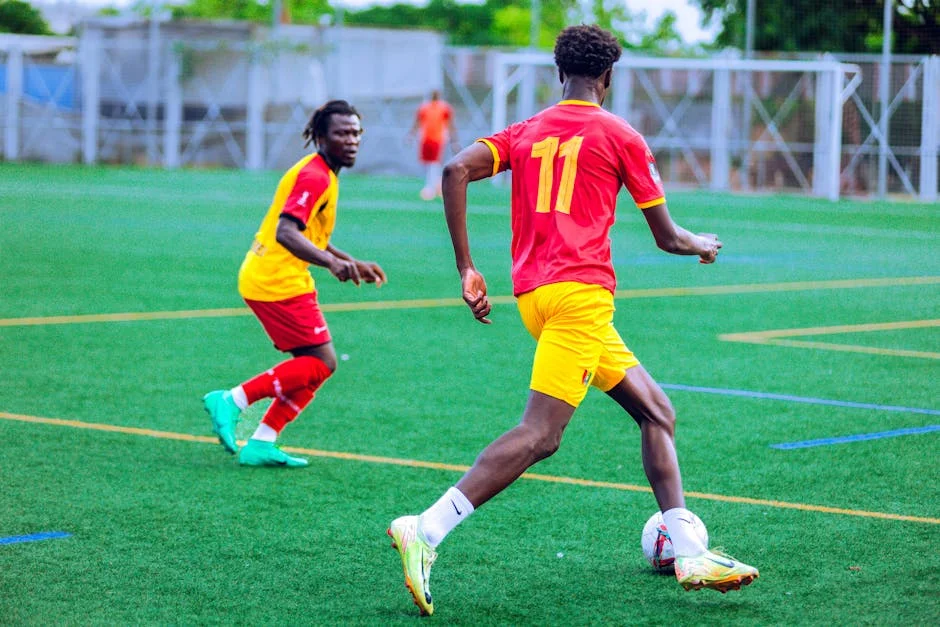
Durban City will face Richards Bay in a high-stakes Nedbank Cup match on Sunday, as KwaZulu-Natal (KZN) sides aim to dominate the Top8 stage. The contest, set to take place at the Moses Mabhida Stadium in Durban, is more than just a football game—it represents a broader narrative of regional pride and competitive spirit in South African football. With Pitso Dladla, the coach of Durban City, leading his team into the match, the game carries significant implications for local development and community engagement.
Regional Rivalry and Football as a Development Tool
The clash between Durban City and Richards Bay is not just a test of skill but also a reflection of the growing importance of football in driving social and economic development across the continent. In South Africa, football clubs often serve as hubs for youth empowerment, job creation, and community cohesion. Durban City, based in the coastal city of Durban, has long been a symbol of KZN's footballing legacy, with a fan base that spans across the region and beyond.

Pitso Dladla, a former player and now a respected coach, has been instrumental in reviving the club's fortunes. Under his leadership, Durban City has focused on nurturing local talent and creating opportunities for young players. This approach aligns with broader African development goals, which emphasize youth empowerment and local capacity building. For many in the region, the success of clubs like Durban City is not just about winning matches—it's about building a stronger, more self-reliant community.
Impact on Local Communities and Economic Growth
Football matches like this one generate significant economic activity in the surrounding areas. Local businesses, including restaurants, hotels, and transport services, benefit from the influx of fans and visitors. In Durban, the city's economy has long been linked to its sporting culture, with major events contributing to employment and revenue. The Nedbank Cup, in particular, has become a platform for showcasing local talent and attracting investment.
The match also highlights the role of football in promoting unity and social cohesion. In a country with deep socio-economic divides, football can be a unifying force. The presence of Pitso Dladla, a respected figure in the community, adds to the emotional weight of the game. His leadership and commitment to developing local players reflect a broader African aspiration to build sustainable institutions that serve the people.
Looking Ahead: The Road to the Top8
For Durban City, the match against Richards Bay is a crucial step in their quest to secure a place in the Top8. A win would not only boost their confidence but also strengthen their position in the league. The team has been working tirelessly to improve their performance, with Dladla emphasizing the importance of discipline, teamwork, and resilience.
As the game approaches, fans and analysts alike are closely watching the outcome. The result could have a ripple effect on the rest of the season, influencing team strategies and fan morale. With the Nedbank Cup serving as a platform for emerging talent, the match is more than just a contest—it's a glimpse into the future of South African football and its potential to contribute to the continent's development goals.
Football and the Broader Development Agenda
Football in Africa is more than just a sport; it is a vehicle for change. From grassroots initiatives to professional leagues, the game has the power to inspire, educate, and empower. In KZN, where Durban City is based, the club has been involved in several community projects, including youth academies and health programs. These efforts align with the United Nations' Sustainable Development Goals (SDGs), particularly those related to education, health, and economic growth.
Moreover, the success of clubs like Durban City can encourage greater investment in sports infrastructure and training facilities. As the continent continues to grapple with challenges such as unemployment and inequality, football can play a vital role in creating opportunities and fostering innovation.
What to Watch Next
The Nedbank Cup match between Durban City and Richards Bay is just one of many key fixtures in the season. Fans will be closely following the results of other KZN teams as they compete for a spot in the Top8. The outcome of this game could influence the broader dynamics of the league and the future of football in the region.
As the match approaches, the focus remains on the players, the coaches, and the fans who make the sport so vibrant. With Pitso Dladla at the helm, Durban City has the potential to not only compete but to inspire. The coming weeks will reveal whether the team can maintain its momentum and continue to contribute to the development of football in South Africa and beyond.
See Also
- Tribunal Delays Military Trial — Navy’s Silence Exposes Governance Gaps
- Bolivia’s Salar de Uyuni Becomes Giant Mirror After Rain
The team has been working tirelessly to improve their performance, with Dladla emphasizing the importance of discipline, teamwork, and resilience. As the game approaches, fans and analysts alike are closely watching the outcome.