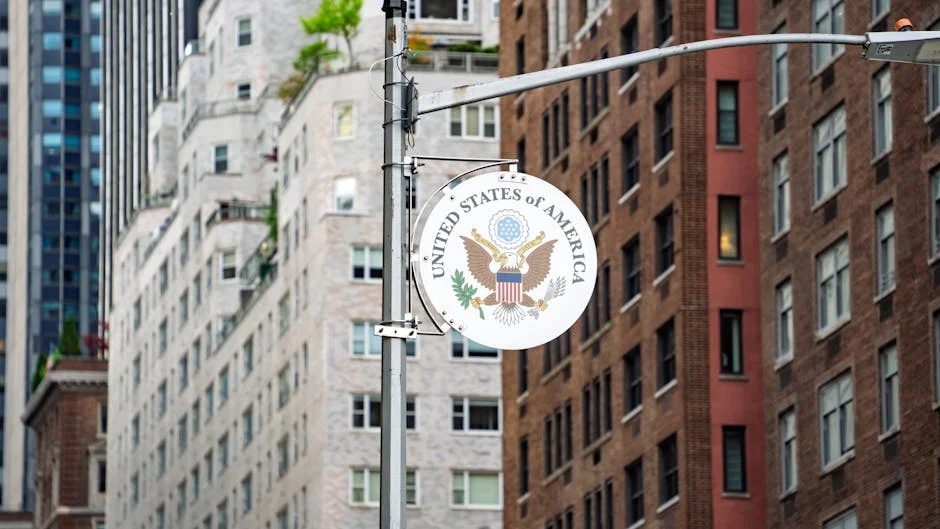
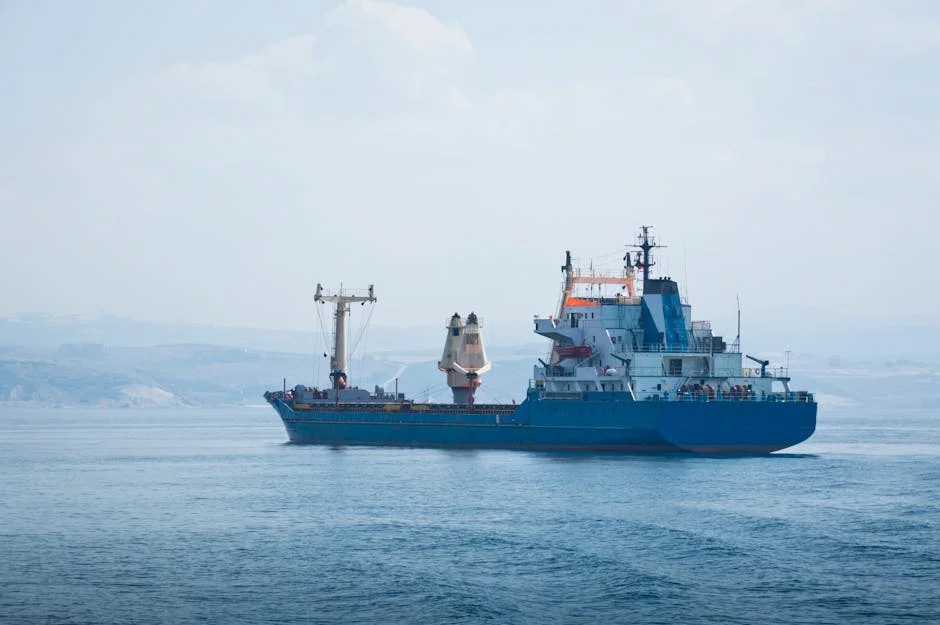
The UK government has issued a stark warning about the potential for food shortages across the country as the ongoing conflict between Iran and regional powers intensifies. The risk stems from disrupted global supply chains and rising energy costs, which have already begun to affect food production and distribution. The Department for Environment, Food and Rural Affairs (DEFRA) highlighted the vulnerability of the UK’s food system, particularly in the event of further geopolitical tensions. With the war in Iran showing no signs of de-escalation, the government is preparing for the worst-case scenario.
Global Supply Chain Disruptions
The UK’s reliance on imported food products has made it particularly susceptible to external shocks. According to the Food and Agriculture Organization (FAO), global food prices have risen by 25% since 2021, with energy costs playing a major role in driving up production and transportation expenses. The UK imports around 40% of its food, with key suppliers including the European Union, the United States, and countries in the Middle East. The ongoing conflict in Iran, a major oil producer, has further destabilized global markets, pushing up fuel prices and increasing the cost of transporting goods.
DEFRA officials have confirmed that the government is working closely with international partners to secure alternative supply routes. “We are monitoring the situation closely and have contingency plans in place,” said a spokesperson. “However, the longer the conflict continues, the more pressure it will place on our food system.” The risk of supply chain breakdown is not just a theoretical concern — in 2022, the UK faced a shortage of essential goods due to port congestion and labor shortages, highlighting the fragility of the system.
Impact on African Development
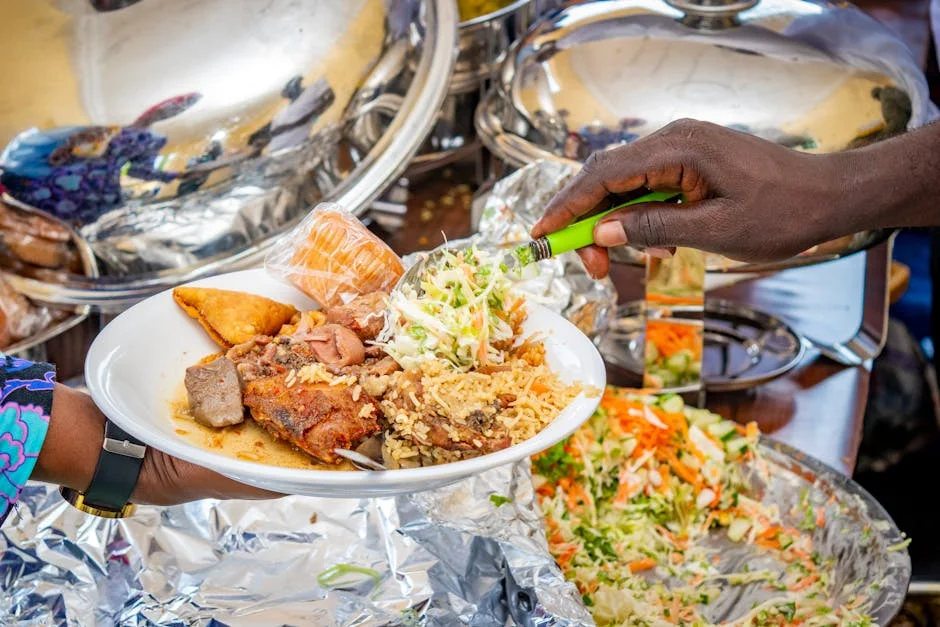
The UK’s food security concerns are not isolated; they reflect broader challenges facing Africa, where food insecurity remains a pressing issue. According to the United Nations, over 280 million people in Africa face acute hunger, with the situation worsening due to climate change, conflict, and economic instability. The UK’s warning serves as a reminder of the interconnectedness of global food systems and the need for more resilient agricultural policies across the continent.
For African nations, the situation underscores the urgency of investing in local food production and reducing reliance on imports. The African Union’s Agenda 2063 emphasizes the need for food self-sufficiency, but progress has been slow. “The UK’s situation is a wake-up call,” said Dr. Amina Jallow, a food security expert at the African Development Bank. “If global supply chains are so fragile, then African countries must prioritize building their own agricultural systems.”
The UK’s potential food shortages also highlight the need for greater international cooperation in addressing global food security. As the world grapples with rising prices and geopolitical tensions, African nations must advocate for fair trade policies and support for smallholder farmers. The recent African Continental Free Trade Area (AfCFTA) is a step in the right direction, but more action is needed to ensure that African countries are not left behind in the global food crisis.
What to Watch Next
The UK government has set a deadline of mid-2024 for implementing new food security measures, including increased domestic food production and stockpiling of essential goods. Meanwhile, the African Union is expected to release a new report on regional food security by the end of the year, which could influence future policy decisions. As the situation in Iran continues to evolve, the ripple effects on global food systems will remain a key concern for policymakers and citizens alike.
For African countries, the crisis serves as a reminder of the importance of self-reliance and regional collaboration. With the global food system under strain, the path forward lies in strengthening local agriculture, improving infrastructure, and ensuring that no continent is left vulnerable to external shocks.