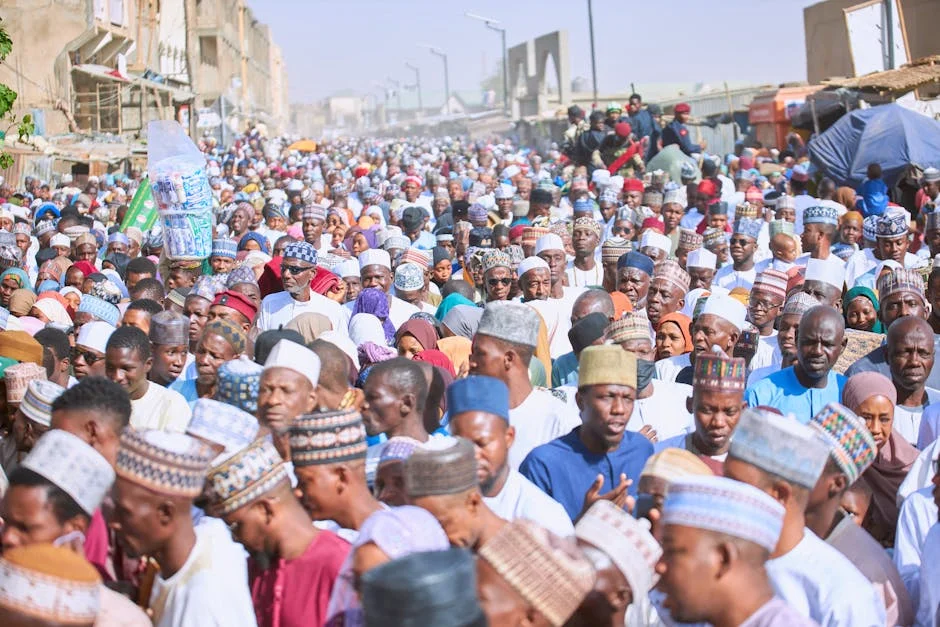
Nigeria’s younger generation is facing a stark reality: over a third of men aged 18 to 35 now live with their parents, a trend fueling concerns about economic mobility and long-term development. The statistic, released by the National Bureau of Statistics in July 2024, highlights a growing challenge for a country where youth unemployment remains above 20% and housing affordability is a major issue. The data comes as the government struggles to balance rapid urbanization with limited infrastructure and job creation.
Why This Trend Matters for Nigeria
The statistic reflects a deeper crisis in Nigeria’s economy and social structure. With over 40% of the population under 15, the pressure on housing and employment is immense. The National Bureau of Statistics report, titled “Youth Employment and Living Arrangements,” found that 36% of young men aged 18-35 live with their parents, compared to 28% in 2019. The trend is most pronounced in urban centers like Lagos, where housing costs have surged by 15% in the past year. This shift has implications for the country’s ability to meet the Sustainable Development Goals (SDGs), particularly those related to decent work, reduced inequality, and sustainable cities.
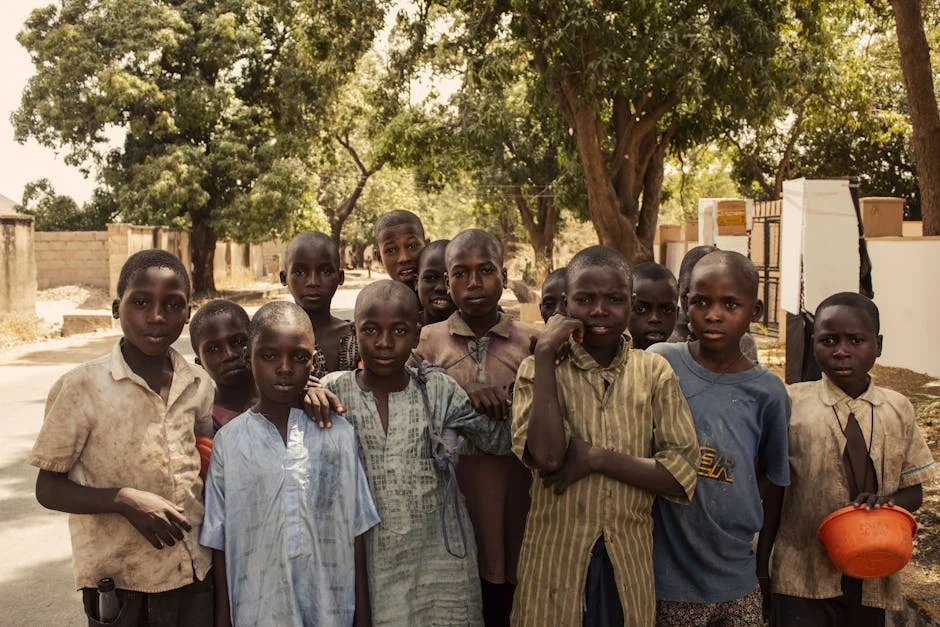
“This is not just a housing issue — it's a development issue,” said Dr. Amina Yusuf, a senior economist at the Nigerian Economic Summit Group. “When young people can't afford to move out, it limits their ability to start families, invest in education, or contribute to the economy.” The data also raises concerns about the long-term impact on gender roles and family structures, as many young men delay marriage and financial independence.
Infrastructure and Economic Growth
Nigeria’s infrastructure gap is a major factor in the housing crisis. According to the World Bank, the country needs to build 1.2 million affordable housing units annually to meet demand, but current construction rates fall far short of that target. The government’s 2023 Housing for All initiative aims to address this, but progress has been slow. In Lagos, where the population is expected to reach 35 million by 2030, the lack of affordable housing has forced many young people into overcrowded living conditions.
“Without investment in housing and urban planning, we risk creating a generation of young adults who are economically dependent,” said Lagos State Governor Babajide Sanwo-Olu. “This is not just a Lagos issue — it’s a national one.” The governor has called for increased public-private partnerships to boost housing supply, but critics argue that more policy reform is needed to attract private sector investment.
Education and Employment Challenges
Education and job creation are also at the heart of the issue. Despite high enrollment rates, many young Nigerians graduate with degrees that do not match the needs of the labor market. The National Youth Service Corps (NYSC) has struggled to place graduates in meaningful roles, with over 40% of corps members reporting that their assignments are unrelated to their fields of study. This mismatch contributes to high levels of underemployment and discourages young people from leaving home.
“We need to align education with the needs of the economy,” said Dr. Chidi Nwosu, a policy analyst at the Lagos Business School. “If we don’t, we’ll continue to see young people stuck in a cycle of dependency.” The government has launched vocational training programs in states like Kano and Kaduna, but these efforts are still in their early stages and have not yet reached a large enough audience.
Governance and Policy Reforms
Nigeria’s political landscape adds another layer of complexity. The country’s governance structure is often criticized for being opaque and inefficient, with frequent changes in policy and leadership. The 2023 elections saw a shift in power, but many experts argue that more needs to be done to ensure stability and long-term planning. Transparency in budget allocation and housing policies is seen as essential to addressing the crisis.
“We need a unified approach to housing and youth development,” said Dr. Nwosu. “This requires not just more funding, but better coordination between federal and state governments.” The National Housing Policy, introduced in 2022, includes measures to reduce housing costs and improve access for low-income families, but implementation has been inconsistent.
Looking Ahead: What Comes Next?
As Nigeria moves toward its 2025 housing goals, the challenge remains how to translate policy into action. The government has pledged to increase construction of affordable housing by 20% in the next year, but this will require significant investment and regulatory reforms. Meanwhile, civil society groups are pushing for more public awareness and advocacy around youth housing rights. With the 2027 general elections approaching, the issue of youth employment and housing is likely to remain a key topic of debate.
What to watch: The upcoming housing summit in Abuja in December 2024 will bring together government officials, developers, and youth representatives to discuss solutions. The success of the 2023 Housing for All initiative will also be a key indicator of progress. As the nation grapples with these challenges, the long-term impact on Nigeria’s development and stability will depend on how effectively it addresses the needs of its young population.
Frequently Asked Questions
What is the latest news about nigerias young men face housing crisis as 36 live with parents?
Nigeria’s younger generation is facing a stark reality: over a third of men aged 18 to 35 now live with their parents, a trend fueling concerns about economic mobility and long-term development.
Why does this matter for economy-business?
The data comes as the government struggles to balance rapid urbanization with limited infrastructure and job creation.
What are the key facts about nigerias young men face housing crisis as 36 live with parents?
With over 40% of the population under 15, the pressure on housing and employment is immense.