Nigeria’s central bank has abruptly halted gold and silver imports, sending shockwaves through the country’s financial markets and triggering immediate price spikes. The move, announced by the Central Bank of Nigeria (CBN) on Monday, comes as the nation grapples with a worsening currency crisis and a surge in inflation. The decision has raised concerns among traders and investors, who now face a sharp increase in the cost of precious metals.
Import Ban Sparks Market Chaos
The CBN’s directive, issued without prior warning, effectively blocked all gold and silver imports, citing the need to stabilize the naira. The move has already led to a 25% rise in the price of gold in Lagos, according to the Nigerian Stock Exchange. Traders in the capital’s main markets report that demand has outstripped supply, with many customers unable to purchase even small quantities of silver for jewelry or investment.
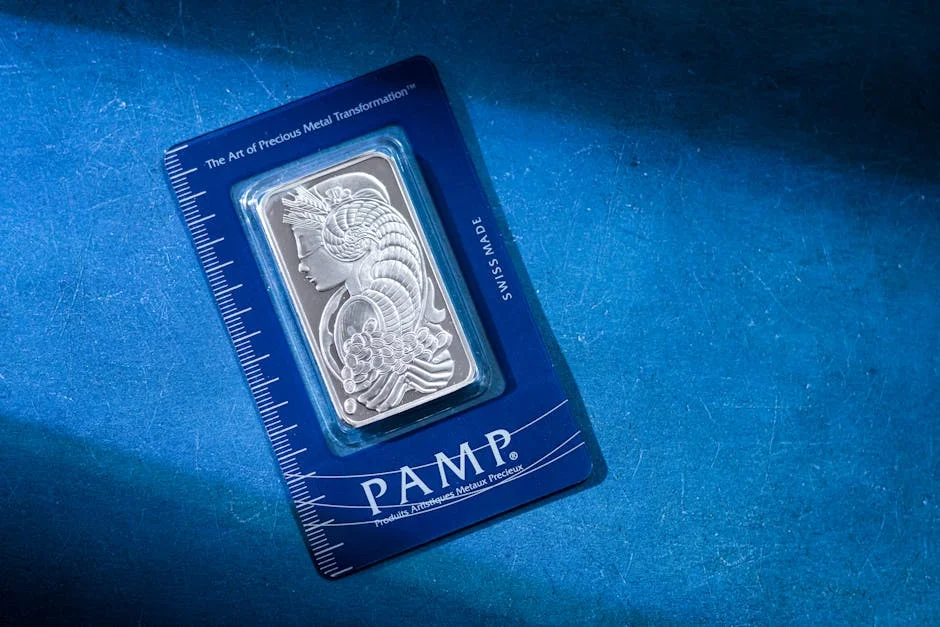
“This is a complete surprise,” said Adebayo Adeyemi, a gold dealer in Lagos. “We had no time to stock up before the ban. Prices are now out of control, and we don’t know when this will end.” The sudden policy shift has also disrupted the informal sector, where gold and silver are commonly used as a form of currency in rural areas.
Context of the Currency Crisis
Nigeria’s currency has been under pressure for months, with the naira losing nearly 40% of its value against the US dollar since early 2024. The CBN has repeatedly intervened to curb speculation, but the latest move to restrict precious metal imports marks a significant escalation. The agency stated that the ban is intended to reduce foreign exchange outflows and protect the country’s dwindling reserves.
The decision also reflects broader economic challenges facing Africa’s largest economy. With inflation at a 12-year high and a struggling manufacturing sector, the government has been under pressure to stabilize the economy. However, critics argue that the import ban could worsen the situation by limiting access to essential materials for local industries.
Impact on African Development Goals
The move raises important questions about how Nigeria’s economic policies align with broader African development goals. The African Union’s Agenda 2063 emphasizes economic integration, sustainable growth, and job creation. By restricting imports, the CBN risks undermining regional trade and limiting access to critical resources for local businesses.
“This is a short-term fix that could have long-term consequences,” said Dr. Nia Adebayo, an economist at the University of Ibadan. “If Nigeria continues to impose such restrictions, it could deter foreign investment and slow down progress toward the continent’s development targets.”
Regional Reactions and Next Steps
Neighboring countries have taken note of Nigeria’s decision, with some expressing concern over the potential ripple effects on regional trade. Ghana and Côte d'Ivoire, major importers of Nigerian gold, are now monitoring the situation closely. The Economic Community of West African States (ECOWAS) has called for dialogue to address the impact of such policies on regional integration.
Traders and analysts are now waiting for the CBN to provide more details on the timeline for lifting the ban. A spokesperson for the central bank said that the policy is under review and that further announcements will follow. However, the uncertainty has left many investors wary, with some considering alternative markets in South Africa and Kenya.
What to Watch Next
As the situation unfolds, key indicators to watch include the CBN’s next policy statement, the performance of the naira in the foreign exchange market, and the reaction from regional partners. The coming weeks will be critical in determining whether the import ban leads to greater stability or further economic strain.
Nigeria’s decision to restrict gold and silver imports is a stark reminder of the challenges facing African economies in an increasingly interconnected world. While the immediate goal may be to stabilize the currency, the long-term implications for trade, investment, and development remain uncertain. For now, the focus is on what happens next.
See Also
- US Senate Leader Slams Nigeria's Energy Policy — and Demands Action
- Guerra Confirms Portimão May Host F1 GP by 2026 — What This Means for Africa