Nigeria’s Federal Ministry of Education launched a nationwide heritage campaign on 18 April, coinciding with the International Day for Monuments and Sites. The initiative, led by the National Commission for Museums and Monuments (NCMM), aims to preserve the country’s cultural legacy amid rising urbanization and environmental threats. Over 200 events, including guided tours, art exhibitions, and academic forums, were held across major cities like Lagos, Abuja, and Kano. The move aligns with the United Nations’ Sustainable Development Goals (SDGs), particularly Goal 11, which focuses on preserving cultural and natural heritage.
Preserving Heritage in a Rapidly Changing Landscape
Urban expansion and climate change pose significant threats to Nigeria’s historical sites. A 2023 report by the NCMM revealed that nearly 30% of the country’s ancient monuments face severe deterioration due to flooding, deforestation, and neglect. In Lagos, the historic Lagos Island, home to the 16th-century St. Anna’s Church, has seen increased erosion from rising sea levels. Dr. Adebayo Adeyemi, a cultural historian at the University of Ibadan, highlighted the urgency of the campaign. “These sites are not just relics of the past—they are vital to our national identity and economic potential,” he said.
The government has allocated N1.2 billion for restoration projects, with a focus on the ancient city of Ife and the UNESCO-listed Sankore University in Timbuktu. However, experts warn that funding alone is not enough. “We need a comprehensive strategy that includes community engagement and sustainable tourism,” said Dr. Adeyemi. The campaign also seeks to raise public awareness, with social media initiatives and school programs aimed at younger generations.
Linking Cultural Preservation to Development
Cultural heritage is increasingly seen as a driver of economic growth in Africa. In Nigeria, the tourism sector contributes about 3.2% to the GDP, according to the World Bank. By investing in heritage preservation, the government hopes to attract more international visitors and create jobs in the cultural and creative industries. The NCMM estimates that each restored monument could generate up to 50 local jobs, from tour guides to artisans.
The campaign also aligns with the African Union’s Agenda 2063, which emphasizes the role of culture in sustainable development. “Cultural heritage is a key component of our continent’s social and economic fabric,” said Dr. Nneka Okorie, a policy analyst at the African Development Bank. “By protecting these sites, we are investing in the future of our people.”
Despite the positive momentum, challenges remain. Many historical sites are located in remote areas, making access difficult. Additionally, inconsistent enforcement of heritage protection laws has led to illegal excavations and vandalism. The NCMM is working with local authorities to strengthen legal frameworks and increase penalties for those who damage cultural sites.
Community Involvement and Education
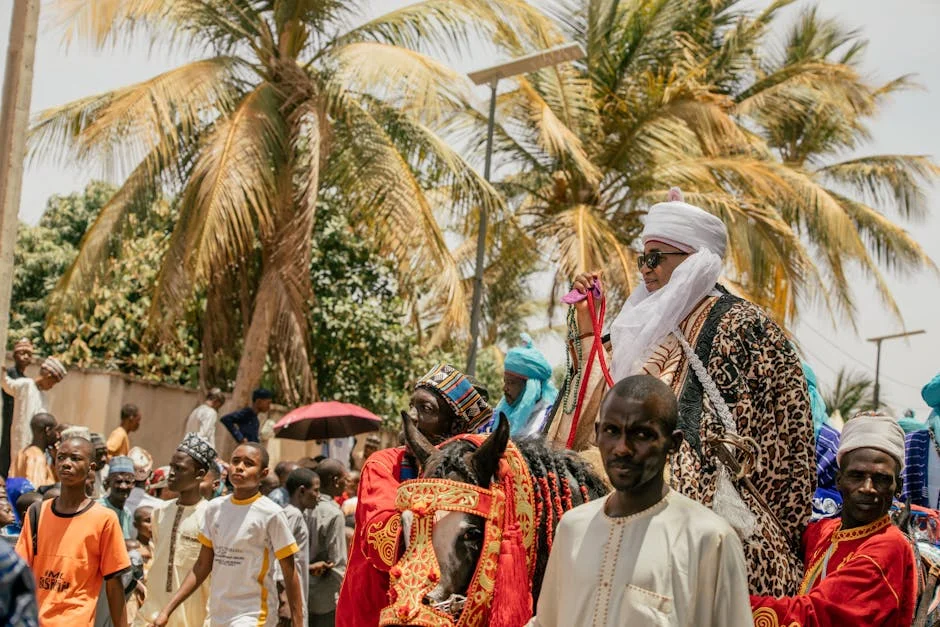
Community engagement is a cornerstone of the campaign. In Kano, local leaders have partnered with the NCMM to organize workshops on traditional crafts and storytelling. These efforts aim to foster a sense of ownership and pride among residents. “When people understand the value of their heritage, they become its guardians,” said Bashir Umar, a community organizer in Kano.
Education is another priority. The NCMM has introduced a new curriculum in 50 schools across the country, incorporating lessons on Nigeria’s historical landmarks and cultural traditions. This initiative is part of a broader effort to integrate heritage education into the national syllabus. “We want students to see their history as a living part of their lives,” said Dr. Adeyemi.
Challenges and Opportunities
The campaign faces several challenges, including limited funding and bureaucratic delays. A recent audit by the NCMM found that only 40% of allocated resources had been spent on restoration projects. Critics argue that more transparency is needed to ensure accountability. “We need to track every N1 spent to avoid mismanagement,” said Dr. Okorie.
Despite these hurdles, the campaign has sparked renewed interest in Nigeria’s cultural heritage. International organizations, including the African Union and the United Nations, have praised the initiative as a model for other African nations. Looking ahead, the NCMM plans to expand the program to 10 additional states by 2025, with a focus on regions with high cultural significance.
The success of the campaign will depend on sustained investment, community participation, and strong governance. As Nigeria continues to grow, the preservation of its heritage remains a critical component of its development strategy. The International Day for Monuments and Sites has not only highlighted the importance of cultural preservation but also served as a call to action for the nation’s leaders and citizens alike.
Frequently Asked Questions
What is the latest news about nigeria launches heritage campaign amid cultural revival?
Nigeria’s Federal Ministry of Education launched a nationwide heritage campaign on 18 April, coinciding with the International Day for Monuments and Sites.
Why does this matter for economy-business?
Over 200 events, including guided tours, art exhibitions, and academic forums, were held across major cities like Lagos, Abuja, and Kano.
What are the key facts about nigeria launches heritage campaign amid cultural revival?
Preserving Heritage in a Rapidly Changing Landscape Urban expansion and climate change pose significant threats to Nigeria’s historical sites.
The International Day for Monuments and Sites has not only highlighted the importance of cultural preservation but also served as a call to action for the nation’s leaders and citizens alike. Critics argue that more transparency is needed to ensure accountability.