Nigeria's football fans are buzzing ahead of the highly anticipated Premier League clash between Chelsea and Manchester United, but the match has also sparked a conversation about the economic ripple effects of global football on African nations. With the game set for Saturday at Stamford Bridge, fans across the continent are tuning in, while analysts are examining how such high-profile events influence local markets and development priorities.
Global Football and Local Economies
The match between Chelsea and Manchester United is more than just a sporting event—it's a global spectacle that generates billions in revenue. According to the Premier League, the 2022-23 season saw over £5.6 billion in broadcast revenue, with a significant portion flowing into African markets through partnerships and sponsorships. This has led to increased investment in local football infrastructure, with Nigeria’s Football Association (NFA) recently announcing plans to upgrade 10 regional stadiums ahead of the 2023 Africa Cup of Nations.
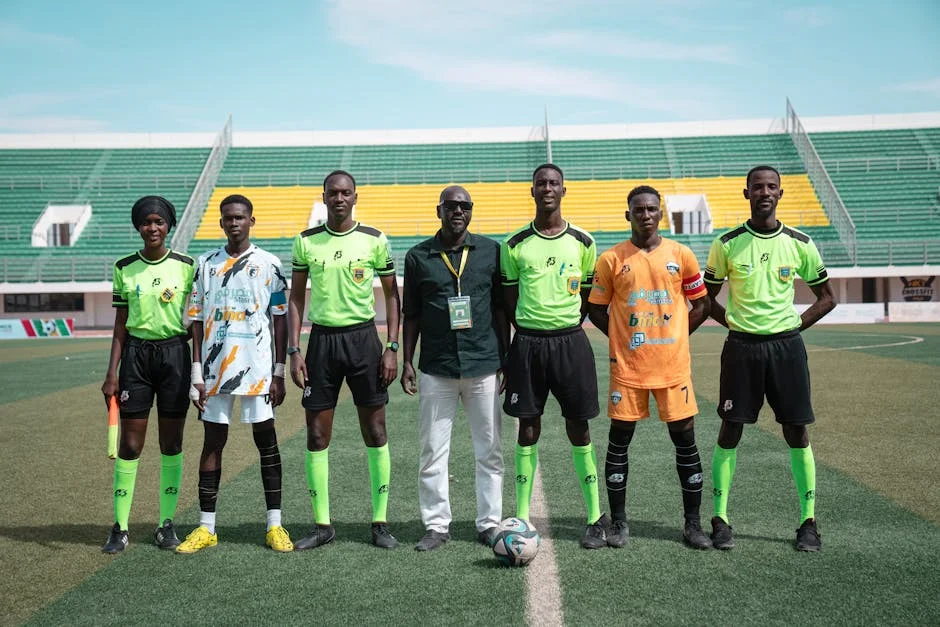
However, the economic impact is not limited to sports. The influx of global investment into African football has also prompted questions about how these resources are distributed. While some regions benefit from improved facilities and training programs, others remain underserved. The NFA’s director of infrastructure, Chike Nwosu, highlighted the need for a more balanced approach, stating, “We must ensure that the benefits of global football partnerships reach all parts of the country, not just the major cities.”
Football as a Development Tool
Football has long been a unifying force across Africa, and its role in development is increasingly recognized. The United Nations Development Programme (UNDP) has partnered with several African football associations to use the sport as a tool for education and community engagement. In Nigeria, the UNDP’s “Football for Change” initiative has reached over 100,000 children in rural areas, offering access to sports, literacy, and health education.
The Chelsea vs Manchester United match has also become a symbol of the growing influence of African talent in global football. Nigerian forward Emmanuel Dennis, who plays for Watford in the Championship, has been a vocal advocate for more opportunities for African players in top European leagues. His recent comments on social media, “Every game like this reminds me of the potential we have, but also the gaps we need to bridge,” have sparked a national conversation about the need for better pathways for African footballers.
Infrastructure and Investment
Infrastructure remains a key challenge for African football. Despite the success of the Africa Cup of Nations, many stadiums across the continent still lack modern facilities. In Nigeria, the government has allocated £150 million to improve sports infrastructure, with a focus on hosting international matches and tournaments. This funding is part of a broader economic strategy to attract foreign investment and boost tourism.
The match between Chelsea and Manchester United has also drawn attention to the role of private sector investment in African football. Companies like MTN and Airtel have increased their sponsorship of local leagues, signaling a shift in how football is funded. However, critics argue that more needs to be done to ensure that these investments lead to long-term development rather than short-term gains.
Looking Ahead: What to Watch
As the world watches Chelsea vs Manchester United, the conversation in Nigeria is shifting towards the future of football and its role in broader development goals. The upcoming Africa Cup of Nations in 2023 will be a key test of whether the continent can leverage global football to drive economic and social progress. With new investments and initiatives underway, the next few months will be critical in determining how effectively African nations can turn football into a tool for sustainable growth.
The match is not just a game—it’s a moment that highlights both the opportunities and challenges facing African development. As the world celebrates the sport, the real test will be whether these moments translate into lasting change for communities across the continent.
See Also
- National Gambling Board Rejects Online Gambling Tech: What It Means for Nigeria's Economy
- Eurostat Reports Inflation Drop to 1.7% in Eurozone: Implications for Africa
Infrastructure and Investment Infrastructure remains a key challenge for African football. However, critics argue that more needs to be done to ensure that these investments lead to long-term development rather than short-term gains.
What is the latest news about nigerias football rivalry sparks economic debate?
Why does this matter for economy-business?
What are the key facts about nigerias football rivalry sparks economic debate?