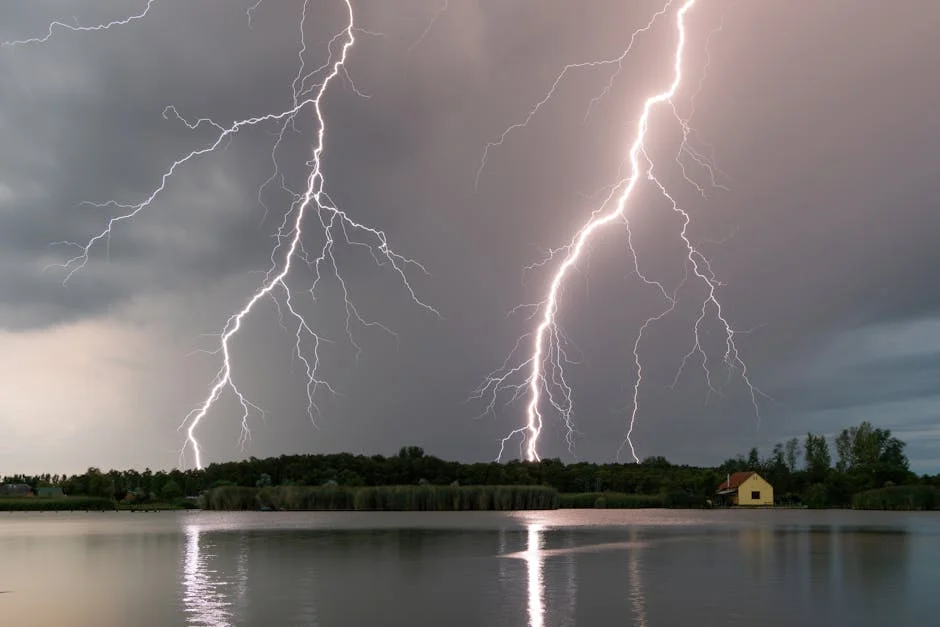
Olmsted County in Minnesota is mobilising emergency resources as recovery operations begin following severe storm damage that left over 200 homes affected and disrupted power for nearly 10,000 residents. The storm, which hit the region on 12 April, caused widespread flooding and structural damage, prompting local authorities to declare a state of emergency. County officials are now working with the Federal Emergency Management Agency (FEMA) to assess the full extent of the damage and secure federal aid.
Storm Damage Highlights Infrastructure Vulnerability
The recent storm underscored the fragility of aging infrastructure in rural areas, a challenge that resonates with many African nations grappling with similar issues. In Minnesota, the storm caused over $15 million in damages, with many roads and bridges requiring urgent repairs. Local officials have warned that without significant investment in infrastructure, such events could become more frequent and costly. This mirrors the situation in parts of Africa, where inadequate infrastructure hampers economic growth and development.
“We need long-term planning and funding to prevent future disasters from causing such devastation,” said Sarah Johnson, director of the Minnesota Department of Public Safety. “This isn’t just about fixing what’s broken—it’s about building resilience for the future.” The call for infrastructure investment echoes the African Union’s Agenda 2063, which prioritises sustainable development and resilient infrastructure across the continent.
Recovery Efforts Face Funding and Logistical Challenges
Olmsted County officials have requested $15 million in federal aid to cover immediate recovery costs, but the process could take months. The county is also relying on local volunteers and non-profit organisations to assist displaced families. Meanwhile, the state government has pledged support, though the exact amount remains unclear. This scenario reflects the broader challenge of resource allocation in both developed and developing nations, where emergency response often depends on bureaucratic delays and limited funding.
“The delay in aid can be detrimental to those affected,” said Dr. Amina Diallo, a policy analyst at the African Development Bank. “In Africa, similar situations have shown that timely intervention can make the difference between recovery and long-term hardship.” The experience in Minnesota highlights the importance of efficient governance and transparent funding mechanisms, both of which are critical for achieving the Sustainable Development Goals (SDGs), particularly those related to clean water, affordable energy, and resilient infrastructure.
Health and Education Sectors Also Feel the Impact
The storm disrupted school operations for nearly two weeks, with several schools forced to close due to flooding. Local health centres reported an increase in injuries and respiratory issues linked to the cleanup efforts. These challenges mirror those seen in parts of Africa, where natural disasters often strain already overburdened healthcare and education systems. In Nigeria, for example, flooding in 2022 displaced over 1.5 million people and damaged more than 100 schools.
“The health and education sectors are the first to suffer during such crises,” said Dr. Samuel Omondi, a public health expert based in Kenya. “Without immediate support, the long-term consequences can be severe.” This reinforces the need for integrated disaster preparedness strategies, which are increasingly being prioritised in African development frameworks to ensure that vulnerable communities are better protected.
Long-Term Planning and Climate Resilience
As recovery efforts continue, officials are also considering long-term climate resilience measures, such as improved drainage systems and stricter building codes. These steps are seen as essential to preventing future damage, a lesson that could be applied across the African continent, where climate change is exacerbating existing vulnerabilities. The World Bank has estimated that by 2050, climate-related disasters could displace over 140 million people in sub-Saharan Africa alone.
“We cannot afford to ignore the signs of climate change,” said Governor Tim Walz, who has called for increased funding for climate adaptation projects. “This storm is a wake-up call for all of us.” The emphasis on climate resilience aligns with the African Union’s climate action plans, which aim to build sustainable economies while protecting communities from the worst impacts of environmental change.
Looking Ahead: What Comes Next?
Olmsted County is expected to finalise its federal aid request by the end of May, with decisions likely to come in June. Meanwhile, local leaders are urging residents to remain vigilant and prepare for potential future weather events. The situation in Minnesota serves as a reminder of the importance of proactive planning and investment in infrastructure, governance, and climate resilience—principles that are equally vital for Africa’s development trajectory.
The coming months will be crucial for determining the effectiveness of recovery efforts and the long-term impact on the community. As the world watches, the lessons from Minnesota could offer valuable insights for nations striving to build more resilient and sustainable futures.
“This storm is a wake-up call for all of us.” The emphasis on climate resilience aligns with the African Union’s climate action plans, which aim to build sustainable economies while protecting communities from the worst impacts of environmental change. The situation in Minnesota serves as a reminder of the importance of proactive planning and investment in infrastructure, governance, and climate resilience—principles that are equally vital for Africa’s development trajectory.