Former Indian cricket captain Sachin Tendulkar has joined a WhatsApp group aimed at raising funds and awareness for Vinod Kambli, a former player whose health has deteriorated sharply. The move has drawn attention across the sports community, highlighting the personal and emotional impact of health crises on athletes. Kambli, who played for India in the 1990s, has been hospitalised in Mumbai, with reports indicating his condition is critical. His family has been seeking urgent medical support, and Tendulkar’s involvement has amplified the call for assistance.
Health Crisis and Public Response
Kambli, 50, has been battling a severe illness since early 2024, with doctors confirming a rare autoimmune disorder that has left him in a critical state. His condition worsened in late April, prompting his family to launch a fundraising campaign. Tendulkar, a close friend and former teammate, joined the group to help coordinate donations and spread awareness. The WhatsApp group, which has over 1,000 members, includes former cricketers, fans, and medical professionals.
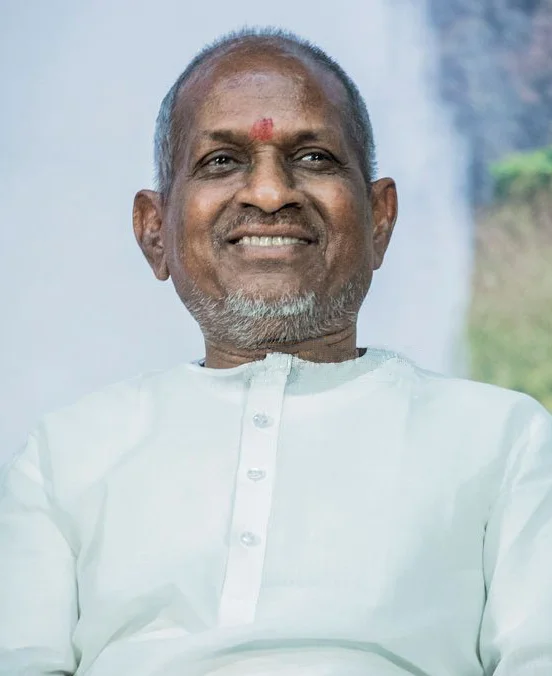
The initiative has raised over ₹50 lakh (around $60,000) in the past two weeks, with Tendulkar personally contributing and encouraging others to do the same. His involvement has also led to increased media coverage, with several Indian outlets highlighting the plight of retired athletes without adequate healthcare support. “Sachin’s support has brought much-needed attention to Vinod’s case,” said Kambli’s brother, Rajesh. “We are grateful for every contribution.”
Broader Implications for Sports and Healthcare
The situation has sparked a wider conversation about the lack of long-term healthcare support for retired athletes in India. While elite players often receive lucrative contracts, many face financial hardship after retirement, especially if they suffer from health issues. Kambli, who played for the Mumbai cricket team, has been a vocal advocate for better welfare schemes for former players. His current struggle has reignited calls for government intervention and better insurance policies for athletes.
Experts say the case underscores a systemic issue in sports governance. “India’s sports bodies have done little to ensure that retired athletes are financially secure,” said Dr. Ravi Sharma, a sports medicine specialist. “This is not just about Vinod—it’s about the many players who face similar challenges.” The Indian Olympic Association has since announced plans to review its welfare policies, though no concrete steps have been outlined yet.
The situation also raises questions about the role of public figures in addressing social issues. Tendulkar, one of the most respected sports icons in the country, has used his platform to highlight the need for better healthcare access for all. His involvement has not only helped Kambli but also encouraged others to speak out about their struggles. “Sachin has always been a leader, both on and off the field,” said former player Sunil Gavaskar. “His support for Vinod shows the human side of the game.”
Impact on Nigerian Sports and Development
While the focus is on India, the story resonates with African development goals, particularly in the areas of health and sports infrastructure. Many African nations face similar challenges in supporting their athletes, with limited access to medical care and inadequate pension schemes. Nigeria, for example, has seen several retired footballers struggle financially, with some even facing health crises without proper support.
The case of Kambli highlights the importance of integrating sports development with broader health and social policies. In Nigeria, the Ministry of Sports has been under pressure to improve welfare for athletes, with calls for better insurance and medical coverage. “This situation should serve as a wake-up call for African governments,” said Dr. Amina Yusuf, a sports policy analyst in Lagos. “We need to ensure that our athletes are not forgotten once they retire.”
As the global sports community watches, the focus remains on Kambli’s condition and the long-term changes needed to support athletes worldwide. Tendulkar’s involvement has not only brought attention to a personal crisis but also sparked a broader dialogue on the need for systemic reform. “This is just the beginning,” said Rajesh Kambli. “We hope it leads to better support for all athletes, not just Vinod.”
Looking Ahead
With Kambli’s condition still critical, the family and supporters are preparing for a long-term medical battle. The WhatsApp group will continue to share updates and coordinate further fundraising efforts. Meanwhile, the Indian Olympic Association is expected to announce new welfare measures by the end of the month. For African nations, the case serves as a reminder of the urgent need to strengthen sports policies and ensure that athletes receive the support they deserve. What to watch next: the outcome of Kambli’s treatment and the response from sports authorities in India and beyond.
See Also
- Hugo Broos Prepares Bafana Bafana for World Cup Glory — A Historic Opportunity
- Bengaluru Man Arrested for ₹41 Lakh Fraud as PHC System Under Scrutiny