Martha Ongwane, a mother from Malawi, has become a symbol of resilience as she learns to support her autistic child in a country where resources for mental health are scarce. Her journey underscores the continental challenges in providing adequate healthcare and education for children with disabilities. Amid limited local support, Ongwane has had to rely on her own resourcefulness to nurture her child, showcasing both the gaps and opportunities for development in Africa's healthcare sector.
The Journey of Martha Ongwane
Living in Lilongwe, the capital of Malawi, Martha Ongwane faces daily challenges as she raises her autistic son. Despite the scarcity of specialised services, she has managed to create a nurturing environment for her child. "I adore her now," Martha explains, reflecting on her transformation from uncertainty to acceptance and love.
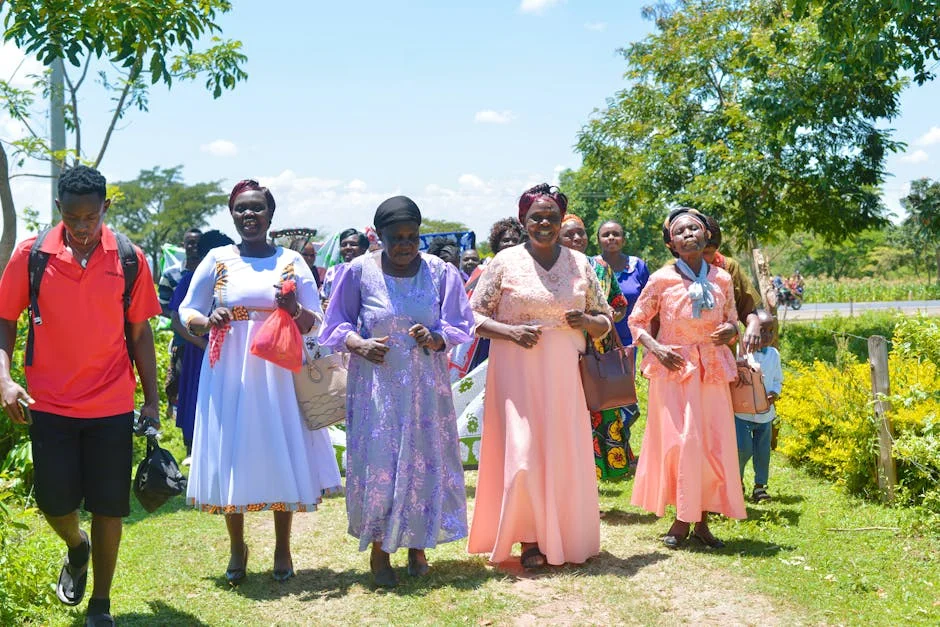
In Malawi, a country where healthcare resources are stretched thin, Ongwane's story is not unique. Many parents of autistic children find themselves navigating similar paths, often without government support or specialised educational programs. This lack of infrastructure not only affects families like Martha's but also highlights a critical gap in Africa's development goals related to health and education.
Healthcare Challenges in Africa
Limited Resources and Infrastructure
Across the African continent, healthcare systems struggle with limited resources and infrastructure, a challenge that affects the provision of services for autistic children. According to a report by the World Health Organization, Africa has some of the lowest rates of mental health professionals per capita globally.
In Malawi, for example, there are fewer than three psychiatrists for the entire population of over 18 million people. This statistic starkly illustrates the need for increased investment in mental health services to support individuals with autism and other developmental disabilities.
Opportunities for Improvement
Despite these challenges, there are opportunities for growth and development. Governments can invest in training programs for healthcare professionals, focusing on autism spectrum disorders and other mental health conditions. Additionally, regional partnerships and international aid can help bolster resources and knowledge sharing.
Impact on African Development Goals
Martha Ongwane's story is a microcosm of the broader issues facing Africa as it seeks to achieve its development goals. The African Union's Agenda 2063 aims to improve healthcare access and quality across the continent. However, without targeted initiatives for conditions like autism, these goals may remain out of reach.
Addressing autism and mental health as part of the development agenda can drive progress in multiple areas, including education, social inclusion, and economic growth. By prioritising these issues, African countries can build more resilient communities and a healthier future for all citizens.
Looking Ahead: The Path Forward
As Martha Ongwane continues to advocate for her child's needs, her story serves as a call to action for African leaders and policymakers. The focus should be on creating inclusive policies, increasing funding for mental health, and fostering community awareness to support families affected by autism.
In the coming years, the success of Africa's development goals will depend on how well countries can adapt their healthcare systems to serve all citizens, including those with disabilities. Stakeholders must watch for policy changes and international collaborations that can bring about meaningful improvements in autism care and support across the continent.
See Also
- Carneiro’s Leadership Provides Much-Needed Truce for Secretary-General Role
- Meghan to Judge MasterChef Australia Amid Royal Scrutiny
Additionally, regional partnerships and international aid can help bolster resources and knowledge sharing.Impact on African Development GoalsMartha Ongwane's story is a microcosm of the broader issues facing Africa as it seeks to achieve its development goals. This statistic starkly illustrates the need for increased investment in mental health services to support individuals with autism and other developmental disabilities.Opportunities for ImprovementDespite these challenges, there are opportunities for growth and development.
What is the latest news about malawian mother defies odds to support autistic child challenges african support systems?
Why does this matter for economy-business?
What are the key facts about malawian mother defies odds to support autistic child challenges african support systems?