French President Emmanuel Macron arrived in Nairobi with a clear mandate to redefine France’s relationship with the African continent. He seeks to move beyond the lingering shadows of colonial history and forge partnerships based on mutual economic benefit rather than historical obligation. This summit marks a critical test for French influence in a region increasingly courted by China, the United States, and emerging powers like India.
Shifting Geopolitical Dynamics in East Africa
The geopolitical landscape of Africa is undergoing a profound transformation that challenges traditional European dominance. For decades, France relied on the CFA franc and military deployments to maintain its foothold in West and Central Africa. However, recent protests in Senegal, Burkina Faso, and Ivory Coast have exposed the fragility of this model. Macron recognizes that the old playbook is no longer sufficient to secure French interests or support African development goals.
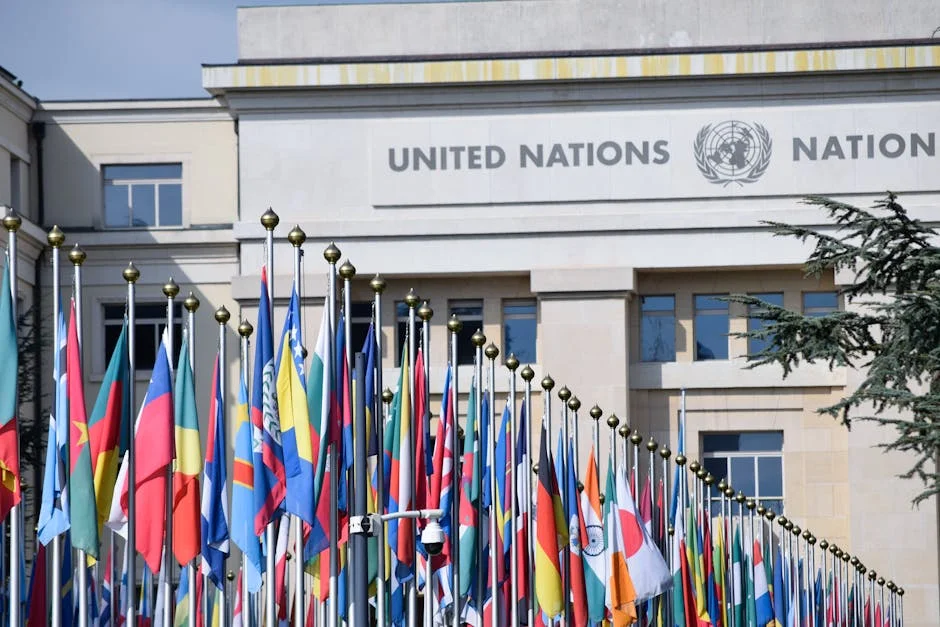
Nairobi serves as an ideal stage for this diplomatic pivot. Kenya is a stable democratic ally and a major economic hub in East Africa, distinct from the Francophone heartland. By choosing Kenya, Macron signals a desire to broaden France’s engagement beyond its traditional linguistic spheres. This strategic move aligns with broader African aspirations for diversified partnerships that reduce over-reliance on any single external power.
The timing is crucial as African nations push for greater agency in their development trajectories. The African Union’s Agenda 2063 emphasizes economic integration and political unity, requiring partners who respect sovereignty. France must demonstrate that it can adapt to these continental challenges by offering flexible, modern cooperation frameworks. This shift is essential for maintaining relevance in a multipolar world where African leaders have more options than ever before.
Economic Realities and Infrastructure Needs
African development hinges on robust infrastructure, yet funding gaps remain a persistent challenge. The continent requires hundreds of billions of dollars annually to build roads, railways, and energy grids necessary for industrialization. Macron has emphasized the need for private sector investment to complement public aid. He argues that French companies can bring expertise and capital to critical sectors, but this requires transparent and predictable regulatory environments.
Kenya’s own development model offers valuable lessons for the wider region. The country has successfully leveraged foreign direct investment to build the Standard Gauge Railway and expand its tech ecosystem. This success story demonstrates how strategic partnerships can accelerate growth when aligned with local priorities. Macron aims to replicate this dynamic by encouraging French firms to invest in renewable energy and digital infrastructure across East Africa.
Trade and Investment Opportunities
Trade relations between France and Africa need modernization to reflect current economic realities. The existing agreements often favor European exports, creating a trade deficit that frustrates African policymakers. Macron has proposed renegotiating these terms to ensure fairer access for African goods into the European market. This approach supports the African Continental Free Trade Area (AfCFTA), which aims to boost intra-continental commerce and reduce external dependencies.
Investment flows must also become more balanced and sustainable. French investors are increasingly interested in green energy projects, which align with Africa’s potential as a global renewable powerhouse. Countries like Kenya and Morocco are already leading in solar and wind energy production. By focusing on these sectors, France can help Africa achieve its climate goals while generating long-term returns for investors. This dual benefit creates a compelling case for deeper economic integration.
Addressing Historical Grievances and Governance
Historical grievances continue to influence political discourse across the continent. Many African nations view France’s past interventions as evidence of neocolonial overreach, particularly in the Sahel region. Macron acknowledges these tensions and has called for a new narrative based on partnership rather than paternalism. He understands that trust must be rebuilt through consistent actions that respect African governance structures and decision-making processes.
Governance reforms are also central to this new approach. France has pledged to support democratic institutions and civil society organizations in key partner countries. This includes funding for independent media, judicial reforms, and electoral transparency. Such support strengthens the social contract between governments and citizens, fostering stability and attracting further investment. Effective governance is the foundation upon which sustainable economic growth is built.
The role of the African Union in mediating these relationships is becoming increasingly important. As a continental body, the AU provides a platform for collective bargaining and coordinated policy responses. Macron has expressed willingness to engage more deeply with the AU to align French policies with continental strategies. This multilateral approach reduces the risk of bilateral disputes and promotes a more cohesive African voice on the global stage.
Health and Education: Foundations of Human Capital
Human capital development is critical for Africa’s long-term prosperity. Health systems across the continent face significant pressures from infectious diseases, chronic conditions, and the aftermath of the pandemic. Macron has highlighted the importance of healthcare infrastructure, including hospitals, laboratories, and supply chains. French pharmaceutical companies and research institutions can play a vital role in strengthening these systems through technology transfer and joint ventures.
Education is another pillar of sustainable development. Access to quality primary, secondary, and tertiary education determines the productivity and innovation capacity of the workforce. France has traditionally been a major donor to African universities and schools, particularly in Francophone countries. Macron aims to expand these initiatives to include more technical and vocational training programs that match labor market demands. This focus on skills development helps reduce youth unemployment and drives economic diversification.
Digital literacy is emerging as a key component of modern education. As Africa’s population becomes younger and more connected, digital skills are essential for participation in the global economy. French tech firms are increasingly partnering with African startups and educational institutions to bridge this gap. These collaborations foster innovation and create new economic opportunities for young Africans. Investing in education is an investment in the continent’s future competitiveness.
Challenges to Pan-African Integration
Pan-African integration faces several structural and political challenges that must be addressed. Fragmented markets, varying regulatory frameworks, and infrastructure deficits hinder the free movement of goods and people. Macron recognizes that supporting regional economic communities like the East African Community (EAC) and the Economic Community of West African States (ECOWAS) is essential. These bodies are working to harmonize policies and reduce trade barriers, but they need consistent external support to succeed.
Political instability in some regions also threatens integration efforts. Conflicts in the Sahel and the Horn of Africa disrupt supply chains and displace populations. France has maintained a significant military presence in these areas to combat terrorism and stabilize governments. However, the effectiveness of these interventions is under scrutiny, with some African leaders calling for a handover of security responsibilities to regional forces. This transition requires careful planning and sustained investment in local defense capabilities.
Climate change adds another layer of complexity to African development. The continent contributes relatively little to global emissions but suffers disproportionately from droughts, floods, and rising sea levels. Macron has emphasized the need for climate finance and technology transfer to help African nations adapt and mitigate these impacts. International cooperation on climate action is not just an environmental imperative but also an economic one, as stable climates are essential for agriculture and tourism.
Looking Ahead: Next Steps and Future Engagements
The Nairobi summit is just one step in a longer diplomatic journey for France and Africa. Macron plans to follow up with bilateral meetings with key leaders to solidify agreements reached during the conference. These discussions will focus on specific projects in energy, infrastructure, and digital connectivity. The success of this initiative will depend on the ability of both sides to translate political commitments into tangible outcomes within a reasonable timeframe.
African leaders will be watching closely to see if France’s rhetoric matches its actions. Past promises have sometimes been slow to materialize, leading to skepticism among the electorate. To build lasting trust, France must deliver visible results that improve the daily lives of ordinary Africans. This includes creating jobs, improving services, and respecting political sovereignty. The coming months will be critical in determining whether this new approach can truly redefine the Franco-African relationship.
Readers should monitor the announcements on trade agreements and investment pledges made during the summit. These details will provide concrete evidence of the shift in French policy. Additionally, the reactions of other African nations, particularly in West Africa, will indicate whether this new model can be replicated across the continent. The outcome of this diplomatic push will have lasting implications for Africa’s development trajectory and its position in the global order.
See Also
- Treasury Confirms Trump's Signature on US Currency — What's at Stake for Africa?
- DR Congo Halts as Ebola Spreads — Health System at Breaking Point
What is the latest news about macron demands new africa deal at nairobi summit?
Why does this matter for politics-governance?
What are the key facts about macron demands new africa deal at nairobi summit?