India has halted discussions with Lockheed Martin over the potential purchase of F-35 fighter jets, marking a major setback in its bid to modernize its air force. The decision, announced by the Ministry of Defence in New Delhi, comes amid growing concerns over the geopolitical implications of the deal and the company's refusal to engage in direct talks. The move has sparked debate over India's strategic alignment and its impact on regional security dynamics, particularly for African nations that rely on stable international partnerships.
India’s Strategic Dilemma
India’s military modernization has long been a priority, but the F-35 deal has become a flashpoint in its foreign policy. The U.S. defense giant, Lockheed Martin, has refused to engage in direct negotiations, citing regulatory and political hurdles. This has left India in a bind, as it seeks to bolster its air capabilities without compromising its non-aligned stance. The Ministry of Defence in New Delhi confirmed the pause in talks, stating that the company’s refusal to meet with Indian officials had stalled progress.
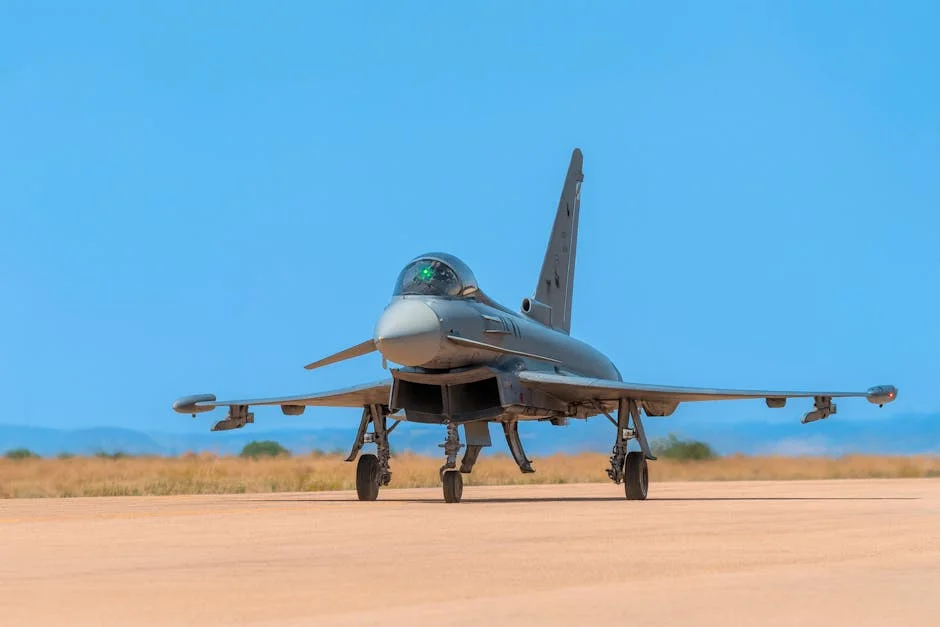
India’s defense strategy has traditionally emphasized self-reliance, but the F-35 deal was seen as a potential bridge to advanced U.S. technology. The aircraft, produced by Lockheed Martin, is one of the most advanced stealth fighters in the world. However, the company’s stance has forced India to reconsider its options, with some analysts suggesting it may turn to Russia or China for alternatives. This shift could have ripple effects on global defense markets and regional alliances.
Lockheed Martin’s Stance and Global Implications
Lockheed Martin, a leading U.S. defense contractor, has not publicly commented on the situation, but internal sources indicate that the company is wary of the political and legal risks involved in selling the F-35 to India. The aircraft is subject to strict export controls, and the U.S. government has raised concerns about India’s growing defense ties with Russia. These factors have made the deal politically sensitive, complicating any potential agreement.
The company’s refusal to engage directly with India has raised questions about its global strategy. Lockheed Martin has historically prioritized stable, long-term partnerships with allies, but its approach to India suggests a more cautious stance. This could affect future defense contracts in the region, particularly in countries that are not part of the U.S. security framework. For African nations, this shift in U.S. defense policy may influence their own procurement strategies and diplomatic engagements.
Impact on African Development and Security
While the F-35 issue is primarily a bilateral matter between India and the U.S., it has broader implications for African development. Many African nations rely on international defense and infrastructure partnerships to strengthen their security and economic growth. India, as a major global player, has been expanding its influence in Africa through trade and investment, but the F-35 standoff may affect its ability to act as a strategic partner.
The African Union has repeatedly called for greater investment in regional security and infrastructure, and India’s defense policies could play a role in this. If India is unable to secure advanced military technology, it may redirect its focus to other areas, such as renewable energy or digital infrastructure, which could benefit African development. However, the uncertainty surrounding the F-35 deal could also lead to a more fragmented approach to international partnerships.
Regional Security and Economic Growth
The F-35 issue highlights the complex interplay between defense, economic growth, and diplomatic relations. For African nations, the stability of global defense partnerships is crucial for maintaining security and attracting investment. A shift in India’s defense strategy could influence its role in Africa, particularly in regions that are vulnerable to conflict or instability.
India has been a key player in Africa’s development, with significant investments in infrastructure and education. However, the F-35 deal’s failure could signal a broader trend of geopolitical uncertainty, which may affect investment flows. African countries will need to carefully navigate these dynamics to ensure that their development goals remain on track.
What’s Next for India and Lockheed Martin?
With the F-35 talks on hold, India is now exploring alternative defense options. The government has reportedly engaged with Russian and Chinese defense firms, which could reshape the global defense landscape. However, these partnerships come with their own set of challenges, including political tensions and concerns over technology transfer.
Lockheed Martin’s position remains unclear, but the company has indicated that it is open to future discussions. The outcome of these negotiations will have far-reaching implications, not just for India, but for the broader global defense and security ecosystem. For African nations, the situation underscores the importance of diversifying their international partnerships to ensure long-term stability and growth.
As the situation unfolds, observers will be watching closely to see how India navigates this complex geopolitical landscape. The next few months could determine whether the F-35 deal is revived or if India will seek alternative routes to modernize its military. For African development, the outcome of these discussions will have significant implications, shaping the future of international cooperation and investment on the continent.
See Also
- Doncic Defies Critics Amid Wembanyama's Rising Stardom — What’s Next for African Talent?
- Nigeria Rejects 'Pacote Laboral' Proposal: What It Means for Economic Growth