China has condemned the US decision to block Iranian ports, calling the move “dangerous and irresponsible” as tensions escalate in the strategic Strait of Hormuz. The statement came amid growing global concern over the region’s stability, with the strait serving as a critical artery for global oil trade. Chinese Foreign Ministry spokesperson Wang Wenbin highlighted the potential risks of the US policy, warning of increased regional instability.
Strategic Significance of the Strait of Hormuz
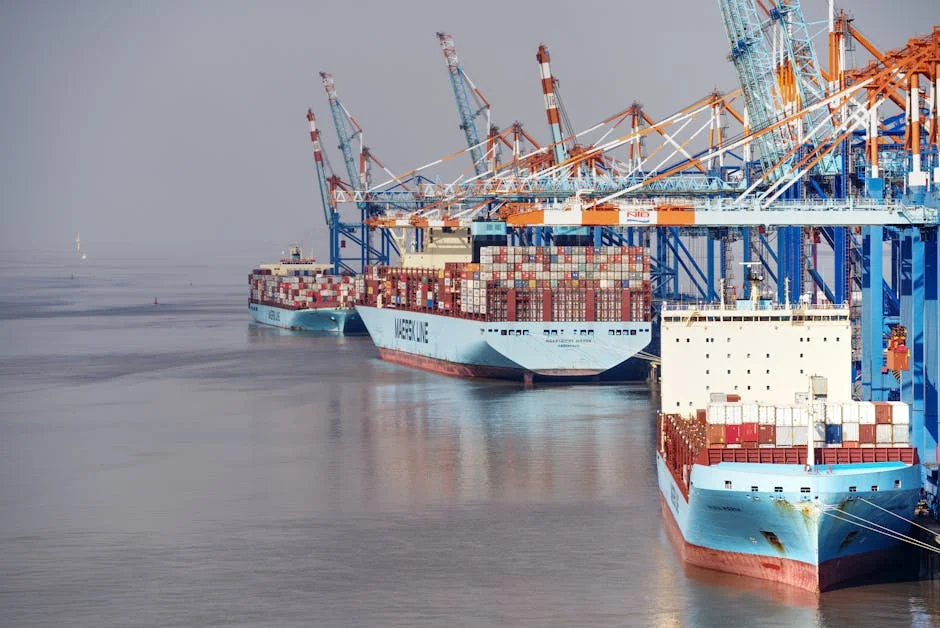
The Strait of Hormuz, located between the Arabian Peninsula and Iran, is one of the world’s most vital shipping lanes. Over 20% of global oil supply passes through the strait, making it a focal point for international diplomacy and security. The US has imposed sanctions on Iranian ports, citing concerns over nuclear proliferation and regional aggression. China, however, sees these actions as a threat to global trade and regional peace.
“The US decision could lead to a dangerous miscalculation,” Wang Wenbin said in a statement. “China urges all parties to de-escalate tensions and avoid actions that could destabilise the region.” The spokesperson also noted that China has significant economic interests in the area, with major investments in energy infrastructure across the Middle East.
Implications for African Development
The situation in the Strait of Hormuz has direct implications for African development, particularly for countries reliant on stable energy supplies and trade routes. Nigeria, for instance, depends on oil imports from the region, and any disruption could lead to higher fuel prices and inflation. The African Development Bank has warned that geopolitical conflicts in key trade corridors could slow economic growth across the continent.
“African nations must remain vigilant,” said Dr. Adebayo Adesina, president of the African Development Bank. “Instability in the Strait of Hormuz could have ripple effects on energy prices, which are already a major concern for many African economies.”
China’s Growing Role in Africa
China’s involvement in the region reflects its broader strategy of deepening economic ties with Africa. The country has invested billions in infrastructure projects across the continent, from railways in Kenya to energy grids in Nigeria. However, the recent diplomatic clash with the US over Iran has raised questions about how China will balance its African interests with its global geopolitical stance.
“China’s position in the Hormuz crisis could influence its future engagements with African nations,” said Professor Nia Ndiaye, an African studies expert at the University of Cape Town. “If China continues to challenge US policies, it may gain more leverage in negotiations with African governments.”
Regional Stability and Economic Risks
Experts warn that the situation in the Strait of Hormuz could lead to increased military posturing and trade disruptions. The US has deployed naval forces to the region, while Iran has threatened to close the strait in response to sanctions. Such developments could lead to a spike in global oil prices, which would impact African economies that are already struggling with inflation and currency devaluations.
“African countries must prepare for the possibility of higher energy costs,” said Dr. Sanaa El-Araby, an economist at the African Union. “The continent’s development goals, including the Agenda 2063, depend on stable and affordable energy supplies.”
What to Watch Next
As the situation in the Strait of Hormuz unfolds, African nations must monitor the potential economic and security implications. The next few weeks will be critical, with the US and Iran expected to escalate their rhetoric. Meanwhile, China is likely to continue its diplomatic efforts to de-escalate tensions. African leaders will need to navigate these global shifts while prioritising local development needs.
The African Development Bank has called for increased regional cooperation to mitigate the impact of global conflicts. “Africa cannot afford to be a bystander in these geopolitical games,” said Adesina. “We must strengthen our own energy security and diversify our trade routes to reduce vulnerability.”
See Also
- US Greenlights Indian Refiners to Buy Russian Oil: Rupee Gains Amid West Asia Developments
- Morocco's New Industrial Base Sparks EU Anxiety Over Competition