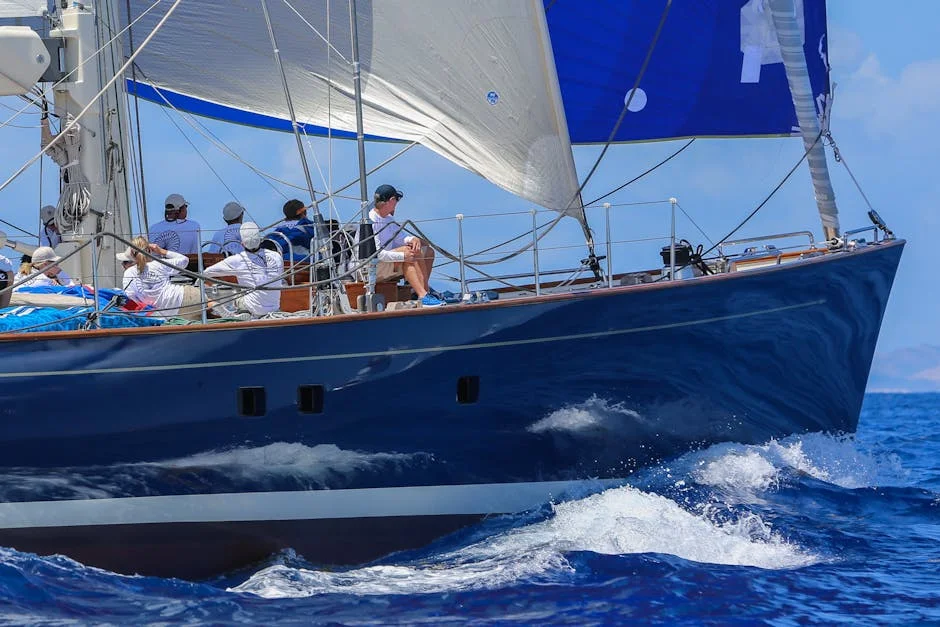
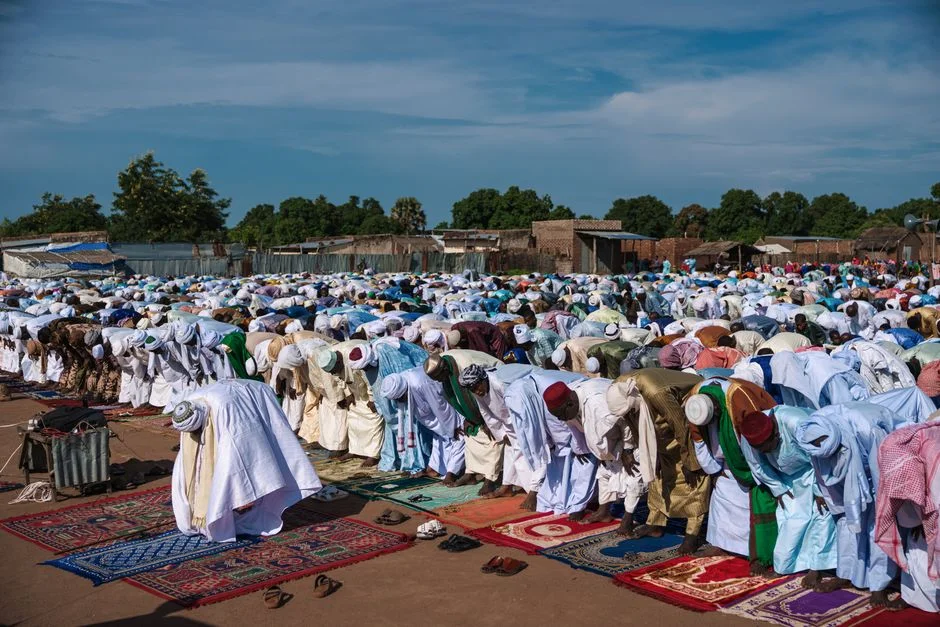
In recent years, cruise tourism has emerged as a dominant force in the global travel industry, captivating the imaginations of millions. According to the Cruise Lines International Association, over 30 million people opted for ocean travel experiences in 2019 alone, a figure that is set to soar as post-pandemic travel rebounds. This surge is not only a Western phenomenon; Africa, particularly its West, East, and Central regions, is witnessing a burgeoning interest in sea voyage packages, offering unique cultural and natural experiences.
The Rise of Cruise Tourism in Africa
Once considered the exclusive domain of the wealthy, cruise tourism in Africa is becoming increasingly accessible, drawing in a diverse demographic of travelers. The continent’s extensive coastline, dotted with a variety of ports, provides an ideal backdrop for this trend. According to the African Development Bank, tourism contributes over 8.5% to Africa's GDP, with cruise tourism playing a growing role.
West Africa's Emerging Cruise Destinations
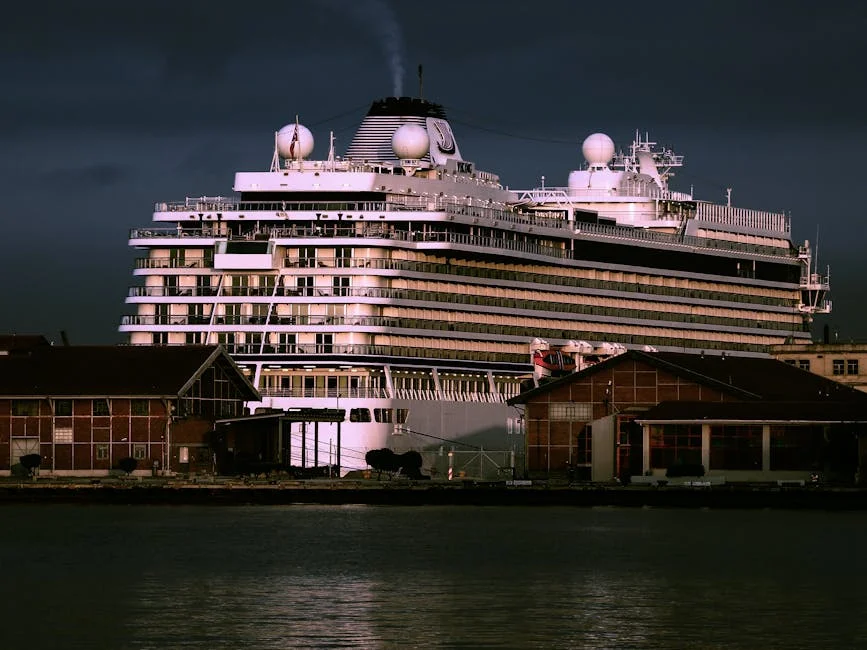
West Africa, with its rich history and vibrant cultures, is becoming a hotspot for cruise lines. Ports in Ghana, Senegal, and Nigeria are increasingly featured in itineraries, offering travelers a mix of heritage, music, and cuisine. This region's appeal lies in its ability to provide authentic cultural experiences, making it a sought-after destination for cruise enthusiasts.
- Ghana's Cape Coast, known for its historical forts and castles
- Lagos, Nigeria, with its bustling markets and art scene
- Goree Island, Senegal, a UNESCO World Heritage site
- The vibrant festivals of Benin
Investment in Infrastructure
To accommodate the growing influx of cruise tourists, West African nations are investing in port infrastructure. In Nigeria, the government has embarked on an ambitious project to modernize its ports, enhancing their capacity to host larger cruise ships. This development is expected to boost the local economy and create job opportunities, further solidifying the region’s position on the global cruise map.
East Africa: A Gateway to Unique Experiences
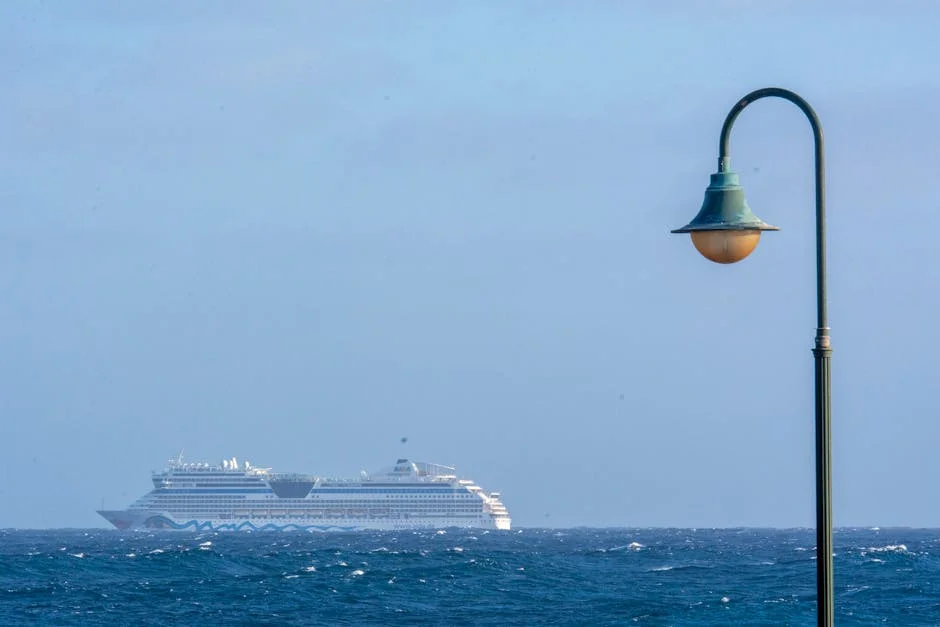
East Africa's allure lies in its breathtaking landscapes and wildlife, making it a unique cruise destination. The region's proximity to the Indian Ocean presents travelers with opportunities to explore diverse ecosystems, from coral reefs to savannahs. As the demand for eco-friendly travel options rises, East Africa's cruise offerings are perfectly poised to capture this niche market.
Popular Ports of Call
Several East African ports are becoming increasingly popular among cruise travelers. These destinations offer a blend of natural beauty and cultural heritage, attracting visitors from around the globe.
- Dar es Salaam, Tanzania, with its blend of Swahili culture and modernity
- Zanzibar, known for its pristine beaches and spice tours
- Kenya's Mombasa, offering a gateway to world-renowned safari experiences
- Seychelles, a paradise of idyllic islands
Eco-tourism Initiatives
East Africa is leading the way in integrating eco-tourism with cruise travel. Initiatives aimed at protecting marine ecosystems are being implemented, ensuring that tourism growth does not come at the expense of the environment. This balance between tourism and conservation is attracting environmentally-conscious travelers keen to explore the region responsibly.
Central Africa: Unlocking Potential
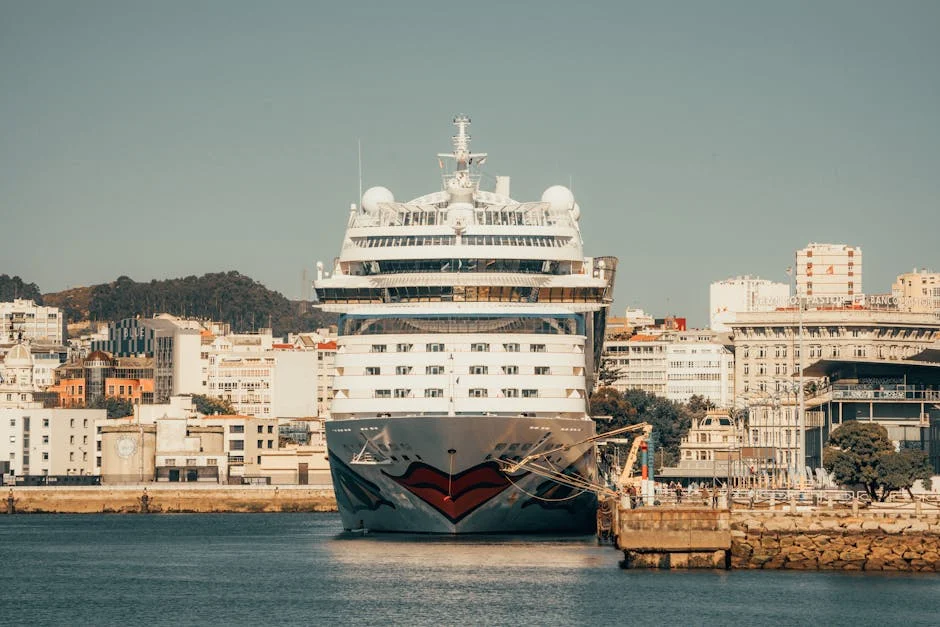
Central Africa's potential as a cruise destination is largely untapped but holds immense promise. The region's waterways, such as the Congo River, offer unique cruising experiences that are distinct from traditional ocean routes. Efforts to develop this sector are underway, with local governments recognizing the economic benefits of cruise tourism.
Challenges and Opportunities
While Central Africa faces challenges such as limited infrastructure and political instability, there are significant opportunities for growth. Investments in port facilities and marketing the region's natural beauty and cultural diversity could transform it into a sought-after cruise destination.
- Investment in river cruise vessels
- Development of cultural tourism packages
- Partnerships with established cruise lines
- Promotion of biodiversity hotspots
Strategic Partnerships
To accelerate the growth of cruise tourism in Central Africa, strategic partnerships with global travel agencies are essential. Companies such as Service for Travel offer curated tour packages that could introduce the region to a wider audience, enhancing its global profile.
Modern Travelers and the Appeal of Sea Voyages
In today's fast-paced world, travelers are increasingly seeking experiences that offer relaxation, adventure, and cultural immersion. Sea voyages provide a unique blend of these elements, making them an attractive option for modern tourists. The ability to visit multiple destinations without the hassle of packing and unpacking is a significant draw.
Why Choose a Cruise?
Several factors make cruises appealing to modern travelers. These range from the convenience they offer to the diverse experiences available on board and at each port of call.
- All-inclusive packages that simplify travel planning
- Onboard amenities such as spas, entertainment, and dining
- Excursions that offer cultural and adventure activities
- Opportunities to meet and connect with fellow travelers
The Role of Specialized Travel Agencies
Specialized travel agencies play a crucial role in enhancing the cruise experience. Agencies like cruise tour packages offer tailored itineraries that cater to individual preferences, ensuring a personalized travel experience. Their expertise in navigating the complexities of cruise travel makes them invaluable resources for travelers seeking unforgettable sea voyages.
Future of Cruise Tourism in Africa
The future of cruise tourism in Africa is bright, with the continent poised to become a key player in the global cruise industry. As infrastructure improves and new routes are developed, Africa's unique offerings are expected to attract even more travelers. The focus on sustainability and cultural authenticity will likely drive growth in this sector.
Technological Innovations
Technological advancements are set to revolutionize the cruise industry in Africa, enhancing the traveler experience and operational efficiency. From virtual reality tours to AI-driven personalized services, technology will play a pivotal role in shaping the future of cruise tourism.
- AI-powered personalized itineraries
- Virtual reality previews of destinations
- Blockchain for secure and efficient bookings
- Sustainable energy solutions for cruise ships
Community Engagement
Engaging local communities is essential for the sustainable growth of cruise tourism. Involving local artisans, performers, and guides in tourism activities not only enriches the traveler experience but also ensures that the economic benefits of tourism are widely distributed.
As Africa continues to embrace cruise tourism, it stands at the cusp of a transformative journey that promises to elevate its profile on the global stage. With strategic investments, partnerships, and a commitment to sustainability, the continent is well-positioned to capture the hearts of modern travelers seeking unique and meaningful sea voyage experiences. As the industry evolves, resources like Service for Travel will continue to play a vital role in crafting unforgettable journeys across Africa's beautiful and diverse seascapes.
See Also
Challenges and Opportunities While Central Africa faces challenges such as limited infrastructure and political instability, there are significant opportunities for growth. The ability to visit multiple destinations without the hassle of packing and unpacking is a significant draw.