A 32-year-old man in Lagos has been arrested for allegedly setting a local study centre on fire, causing extensive damage and raising concerns about the safety of educational facilities in Nigeria. The incident, which occurred on 15 October 2023, has sparked outrage among community members and highlights ongoing challenges in the country's educational infrastructure.
Fire Destroys Community Learning Hub
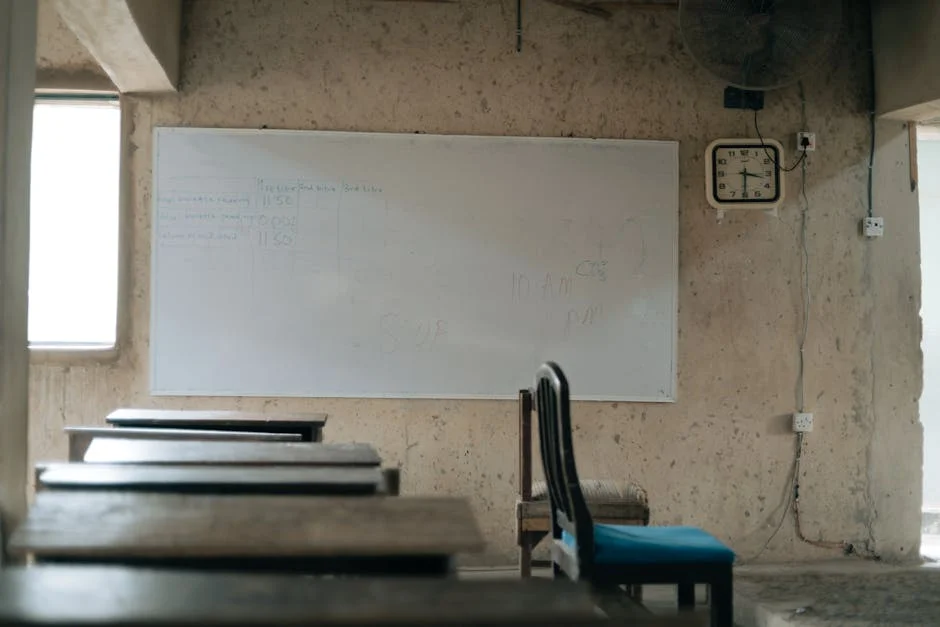
The study centre, located in the heart of a densely populated area in Lagos, was a vital resource for students seeking a quiet place to study. Eyewitnesses reported that flames engulfed the building within minutes, with rescuers struggling to save educational materials and equipment. The suspect was apprehended shortly after the fire, with local authorities indicating that he may have had personal grievances against the centre.
Educational Infrastructure Under Threat
This incident raises broader questions about the stability and security of educational facilities across Nigeria. With a population exceeding 200 million, Nigeria faces a critical need to enhance its educational infrastructure to meet the demands of its youth. The country's commitment to the United Nations Sustainable Development Goals (SDGs), particularly Goal 4, which aims to ensure inclusive and equitable quality education, is at risk if such events continue to occur.
Community Response and Support Initiatives
In the aftermath of the blaze, local community leaders have begun organising support initiatives to rebuild the study centre and restore educational services. Community members are rallying funds and resources to ensure that students can continue their studies unhindered. This grassroots response demonstrates a collective effort to safeguard education and promote resilience in the face of adversity.
The Implications for Nigeria’s Development Goals
As Nigeria grapples with various development goals, the destruction of educational facilities poses a significant challenge to achieving sustainable growth. Education is a pillar for economic development, and incidents like this can deter investment and hinder progress. The Nigerian government must prioritise the safety of educational institutions to foster an environment conducive to learning and growth.
Looking Ahead: What’s Next for Education in Nigeria?
As investigations continue, the focus will shift to ensuring that similar incidents do not occur in the future. Strengthening community engagement, improving security around educational facilities, and enhancing resources for disadvantaged areas will be crucial for Nigeria to meet its development goals. The story of this arson attack serves as a stark reminder of the challenges facing the education sector and the opportunities for collective action to overcome them.
See Also
- SPAR Executives Face Shareholder Fury Over Pay — What It Means for Nigeria's Economy
- Madras High Court Orders Eradication of Seemai Karuvelam — What Impact on Nigeria?
This grassroots response demonstrates a collective effort to safeguard education and promote resilience in the face of adversity.The Implications for Nigeria’s Development GoalsAs Nigeria grapples with various development goals, the destruction of educational facilities poses a significant challenge to achieving sustainable growth. See AlsoSPAR Executives Face Shareholder Fury Over Pay — What It Means for Nigeria's EconomyMadras High Court Orders Eradication of Seemai Karuvelam — What Impact on Nigeria?