Across Zimbabwe's second-largest city, a quiet food revolution is reshaping dinner tables. Families in Bulawayo are abandoning imported wheat products in favour of indigenous grains and vegetables, a shift that began three years ago when foreign currency shortages made conventional staples increasingly unaffordable. Local markets now overflow with traditional varieties that most Zimbabweans had largely ignored for a generation.
Rural women drive the revival
Smallholder farmers in Zimbabwe's southern provinces have become the backbone of this movement. Cooperatives centred in Bulawayo's peri-urban areas report distributing more traditional seeds last year than at any point since the 1990s. These groups say demand for pearl millet, sorghum, and cowpeas has surged as households seek cheaper alternatives to imported flour.
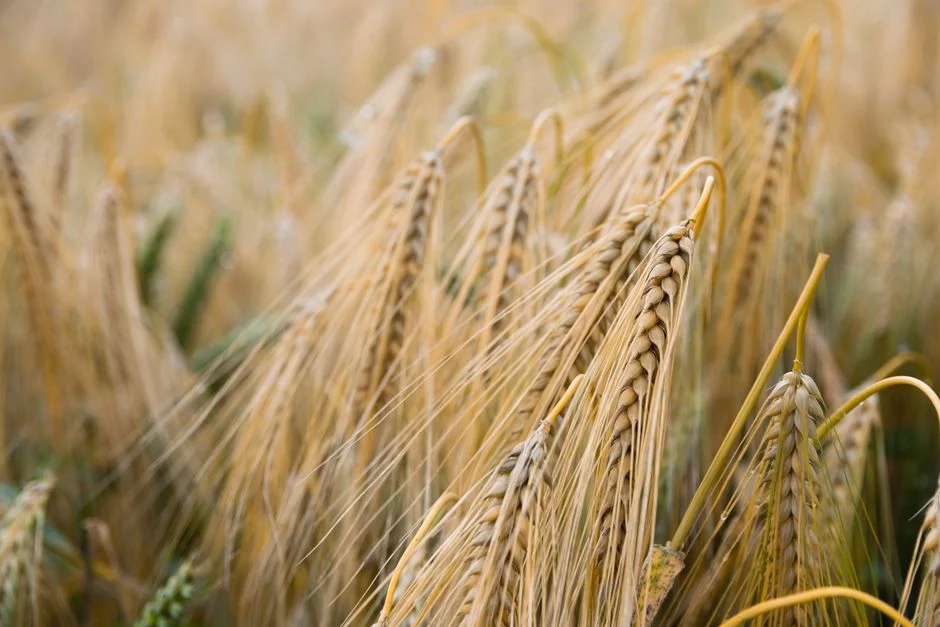
One cooperative, theametha Farmers Association, told local media that requests for indigenous seed varieties jumped sharply in 2023. Rural extension officers working in Matabeleland South province confirmed a visible increase in plots dedicated to traditional crops during the last planting season.
Government endorses indigenous agriculture
State support has followed. The Ministry of Lands, Agriculture, Fisheries, Water and Rural Development launched a Community Seed Bank programme in 2022 to preserve indigenous crop varieties. Officials say the programme now operates in eleven districts and stores seeds for over twenty traditional food plants once common in Zimbabwean cuisine but nearly lost from mainstream farming.
At the same time, urban restaurants are responding to shifting customer preferences. Several Bulawayo eateries now list sadza — a stiff porridge made from maize or sorghum — alongside dishes featuring indigenous leafy vegetables like covo and rape. Chefs at these establishments say younger diners, many born after Zimbabwe's economic crisis began in the early 2000s, are trying traditional foods for the first time.
Economic pressure accelerates change
The pivot toward indigenous crops did not happen by choice alone. Zimbabwe's foreign currency reserves have remained strained for years, making it difficult for millers to import sufficient wheat. When supplies tighten, bread and pasta prices climb, pushing families toward whatever is locally grown and cheaper to prepare.
Food security analysts have noted this pattern. The Famine Early Warning Systems Network, a USAID-backed monitoring group, recorded wheat flour shortages in several Zimbabwean cities during 2023. The same reports highlighted that sorghum and millet were more stable in supply and price compared to imported alternatives.
Health advocates see benefits
Beyond economics, health professionals have begun promoting indigenous foods for their nutritional value. Local nutritionists point to studies showing that traditional Zimbabwean grains contain more fibre and micronutrients than refined wheat flour. One Bulawayo-based dietitian told a national newspaper that reintroducing these foods could help address rising rates of diabetes and obesity in urban populations.
Schools have taken notice. Some institutions in Matabeleland South province now serve traditional porridge made from sorghum at breakfast instead of bread. Provincial education officials said the switch reduced food costs while giving children meals that local health workers approved.
What comes next
The movement faces limits. Industrial-scale milling of traditional grains remains underdeveloped in Zimbabwe. Without modern processing facilities, farmers struggle to convert sorghum or millet into consistent products for city supermarkets. Investors have shown limited interest in building the necessary infrastructure.
Nevertheless, advocates argue the momentum is real. Community seed banks continue expanding. More importantly, consumer habits appear to be shifting in ways that could outlast the original economic trigger. Whether Zimbabwe's indigenous food revival can sustain itself and eventually replace imported staples at scale remains to be seen — but for now, Bulawayo's markets tell a story of changing tastes.
See Also
- Mauritius Street Food Reveals Island's True Spirit — A Journey Beyond Tourism
- Spanish Mayor Scraps DR Congo vs Chile Friendly Over Ebola Fears
The same reports highlighted that sorghum and millet were more stable in supply and price compared to imported alternatives. Zimbabwe's foreign currency reserves have remained strained for years, making it difficult for millers to import sufficient wheat.