Former President Donald Trump has shrugged off a recent spike in gas prices, attributing it to the ongoing conflict with Iran. His remarks come at a time when global energy markets are sensitive to geopolitical tensions that directly impact oil supply and pricing.

Impact of Iran Conflict on Global Oil Prices

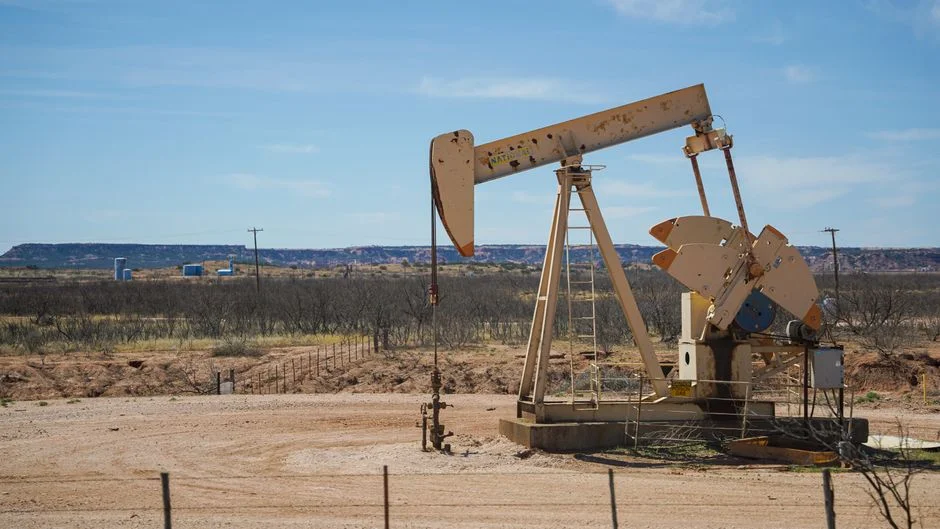
The conflict with Iran has led to heightened fears about oil supply disruptions, causing gas prices to surge. As tensions escalate, traders react swiftly, and the ripple effects are felt across the globe. Trump's nonchalant response indicates a level of detachment from the consequences of these fluctuations, especially for countries heavily reliant on oil imports.

Trump dismisses gas price surge amid Iran tensions — what it means for Africa — Economy Business
Economy & Business · Trump dismisses gas price surge amid Iran tensions — what it means for Africa

How Rising Fuel Costs Affect African Economies

For many African nations, rising fuel prices create a cascade of economic challenges. Higher fuel costs can lead to increased transportation expenses, ultimately raising the prices of goods and services. This is particularly concerning for landlocked countries and those already struggling with inflation. The African Development Goals (ADGs) stress the importance of affordable and clean energy, directly linking energy prices to economic stability and growth.

Trump's Stance and Its Ramifications for Nigerian Development

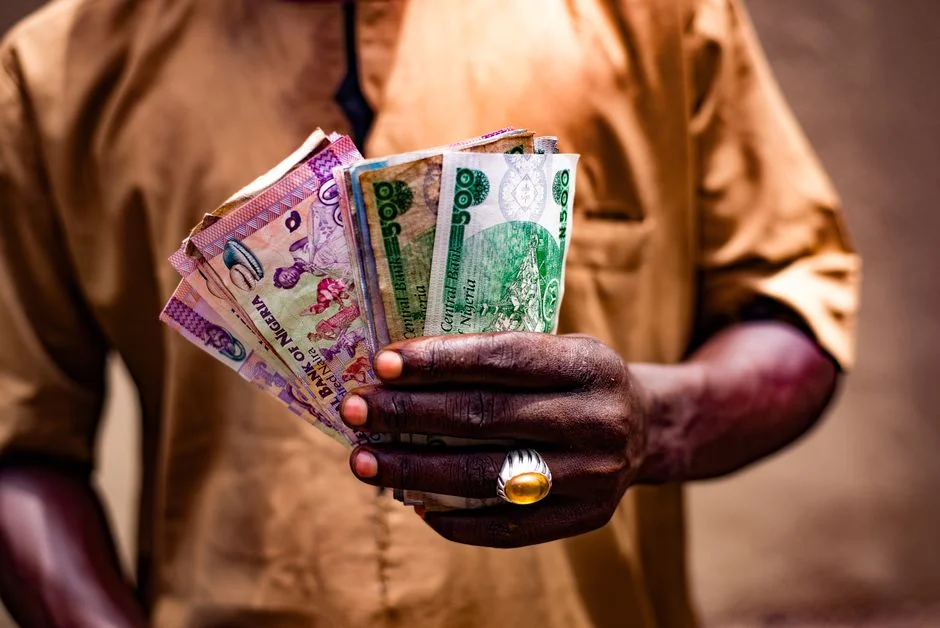
Nigeria, as one of Africa's largest oil producers, finds itself navigating a complex scenario. While the country might benefit from higher oil prices in the short term, the long-term implications of rising fuel costs can stifle economic growth and development. The government's efforts to diversify the economy away from oil dependency are critical, especially in light of fluctuating global prices exacerbated by international tensions like those seen with Iran.

The Broader Picture: Governance and Economic Resilience

Trump's dismissal of rising gas prices highlights a broader issue of governance and accountability in energy policy. Effective governance in African nations is essential for managing the challenges posed by volatile energy prices. Investments in infrastructure, health, and education are needed to build resilience against such external shocks. The focus on sustainable energy sources and reducing reliance on imported fuels aligns with the ADGs, fostering a more stable economic environment.

What Lies Ahead: The Need for Strategic Planning

The situation underscores the necessity for African governments to implement strategic planning and policy frameworks that can absorb the impacts of global energy fluctuations. As seen with Nigeria's ongoing struggles, there is a pressing need for diversified energy sources and improved efficiency in energy consumption. This is not just a matter of economic growth but a critical step toward achieving sustainable development in the continent amidst global uncertainties.

See Also

Editorial Opinion

The government's efforts to diversify the economy away from oil dependency are critical, especially in light of fluctuating global prices exacerbated by international tensions like those seen with Iran.The Broader Picture: Governance and Economic ResilienceTrump's dismissal of rising gas prices highlights a broader issue of governance and accountability in energy policy. The focus on sustainable energy sources and reducing reliance on imported fuels aligns with the ADGs, fostering a more stable economic environment.What Lies Ahead: The Need for Strategic PlanningThe situation underscores the necessity for African governments to implement strategic planning and policy frameworks that can absorb the impacts of global energy fluctuations.

— panapress.org Editorial Team
Poll
Do you agree with the experts quoted in this article?
Yes80%
No20%
393 votes
FAQ
What is the latest news about trump dismisses gas price surge amid iran tensions what it means for africa?
Former President Donald Trump has shrugged off a recent spike in gas prices, attributing it to the ongoing conflict with Iran.
Why does this matter for economy-business?
As tensions escalate, traders react swiftly, and the ripple effects are felt across the globe.
What are the key facts about trump dismisses gas price surge amid iran tensions what it means for africa?
Higher fuel costs can lead to increased transportation expenses, ultimately raising the prices of goods and services.
Kwame Asante
Author
Kwame Asante is a business and economics journalist with over a decade of experience covering African markets, trade policy, and financial systems. Based in Accra, he has reported from Lagos, Nairobi, and Johannesburg on topics ranging from continental trade agreements to startup ecosystems reshaping sub-Saharan Africa.

His work focuses on the intersection of policy and commerce — how regulatory decisions, currency movements, and infrastructure investment shape everyday life across the continent. Kwame holds a degree in economics from the University of Ghana and has contributed to several pan-African business publications.