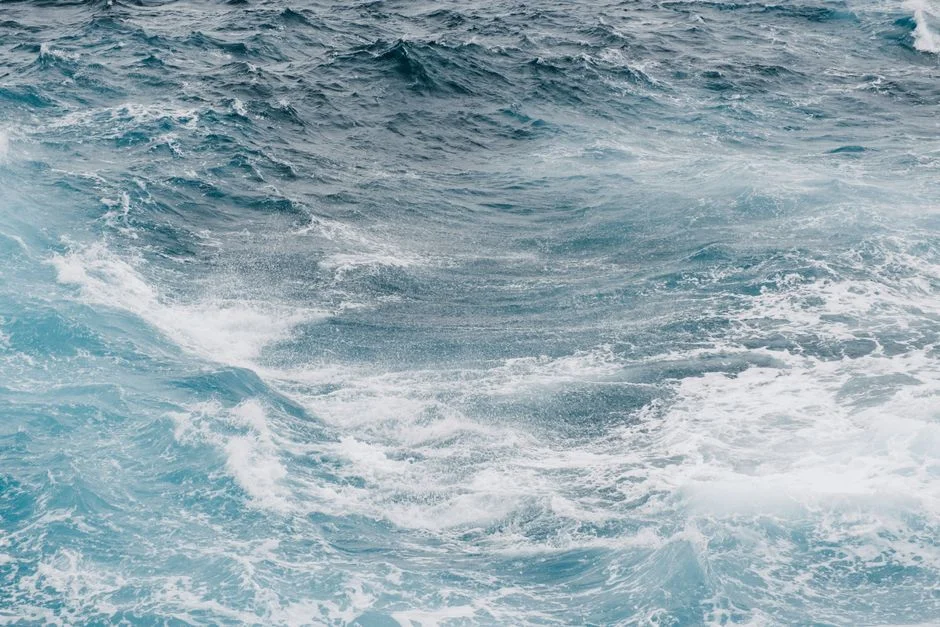
A coalition of environmental scientists released findings on Tuesday revealing that plastic pollution accumulating in African landfills far exceeds what washes into the ocean, challenging a common misconception that waterways carry the bulk of the continent's waste problem.
Scientific Study Challenges Ocean-Centric Narrative
The research, coordinated through the United Nations Environment Programme headquartered in Nairobi, examined waste management data from 14 African nations over a three-year period. The team found that municipal solid waste facilities receive approximately 70 percent of post-consumer plastics, while ocean-bound plastic accounts for a significantly smaller share than previously estimated.
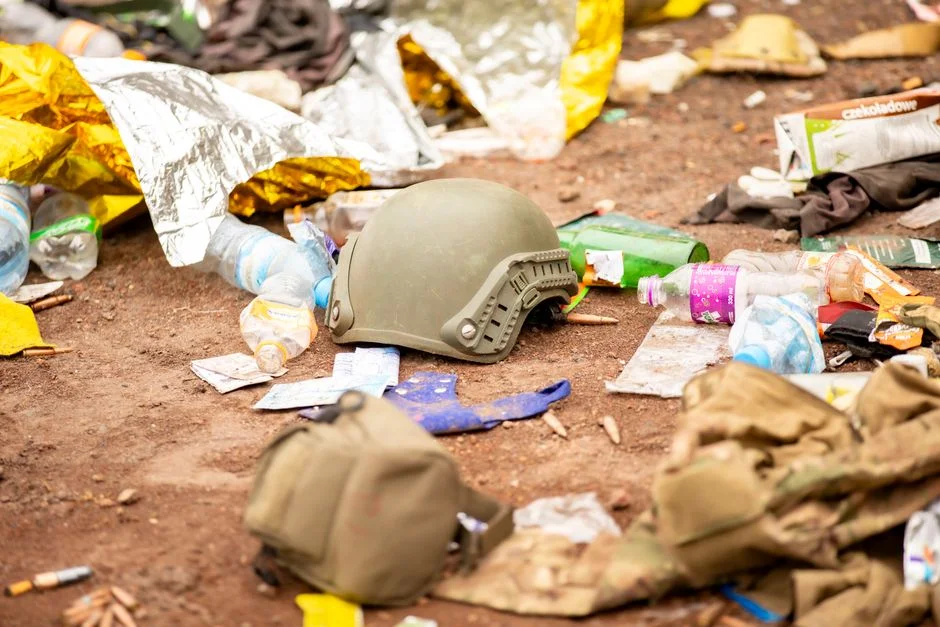
Dr Fatima Al-Rashid, the study's lead author, presented the findings at a symposium in Mombasa, Kenya's second-largest city and a major port hub. "Public awareness campaigns have focused heavily on ocean plastic, which is understandable given the visual impact," she stated. "But our data shows the more pressing emergency is happening on land, where management infrastructure remains severely underdeveloped."
Infrastructure Gaps Drive Landfill Accumulation
Across the continent, waste collection rates vary dramatically. In many urban centres, municipal authorities collect plastics from only 40 to 60 percent of households. The remainder ends up in informal dumpsites or open burning, releasing toxic fumes into surrounding communities.
The Kenya Ministry of Environment and Climate Change provided data showing that the country's 16 licensed landfills receive an estimated 500,000 tonnes of plastic waste annually. Of that volume, less than 10 percent undergoes formal recycling. The ministry acknowledged that hundreds of unlicensed sites operate without environmental safeguards.
Local governments face competing priorities. Road construction, water provision, and healthcare consume most municipal budgets, leaving waste management systems chronically underfunded.
The Informal Recycling Economy
Despite infrastructure shortcomings, an extensive informal sector has emerged to capture value from discarded plastics. In Nairobi's Mukuru neighbourhood, scavengers collect PET bottles and high-density polyethylene containers for sale to processors. The business sustains livelihoods for thousands of families but operates without occupational safety standards.
The Kenya Association of Manufacturers reported that domestic recyclers have capacity to process roughly 15 percent of the country's plastic waste. The remainder requires either export to Asian processing facilities or disposal in landfills, both options carrying environmental costs.
Export Restrictions Add Pressure
Since China restricted foreign plastic scrap imports in 2018, African nations have struggled to find alternative overseas markets. The Naivasha Recycling Company, one of Kenya's largest processors, reduced its workforce by a third last year citing feedstock shortages and falling commodity prices.
Policy Responses Take Shape
The African Union adopted a continental framework on single-use plastics in 2023, urging member states to implement bans or levies. Rwanda, Senegal, and Morocco have introduced prohibition measures targeting carrier bags. Kenya enacted a ban on thin-gauge plastic bags in 2017, one of the strictest policies on the continent.
Enforcement remains inconsistent. Customs officials at the Mombasa port intercepted 23 containers of non-compliant plastic materials last quarter, according to records from the Kenya Revenue Authority. The shipments, originating from Asian manufacturers, attempted to enter duty-free under misclassified tariff codes.
Extended Producer Responsibility Stalls
Industry groups have resisted mandatory take-back schemes, arguing that compliance costs would force factory closures. The Kenya Private Sector Association contends that producer responsibility legislation should accompany robust recycling infrastructure before any mandate takes effect.
The Nairobi-based African Centre for Policy Research estimates that implementing comprehensive extended producer responsibility across East Africa would require at least $200 million in initial investment. Current annual government spending on solid waste management across the region totals less than half that amount.
What Comes Next
The UN Environment Programme plans to publish a comprehensive database of African landfill sites by the end of the first quarter. The tool will allow researchers and policymakers to track accumulation rates and identify hotspots requiring immediate intervention.
International donors have signalled interest. The World Bank's sanitation team is reviewing a $150 million proposal to upgrade waste facilities in five coastal cities, including Mombasa and Lagos. A decision is expected before the next funding cycle begins in April.
See Also
- Electric Fiat Tris Targets On-Demand Delivery Gap with Urban EV Design
- Congo An Reserve Welcomes Second Gorilla Twins Amid Conservation Efforts