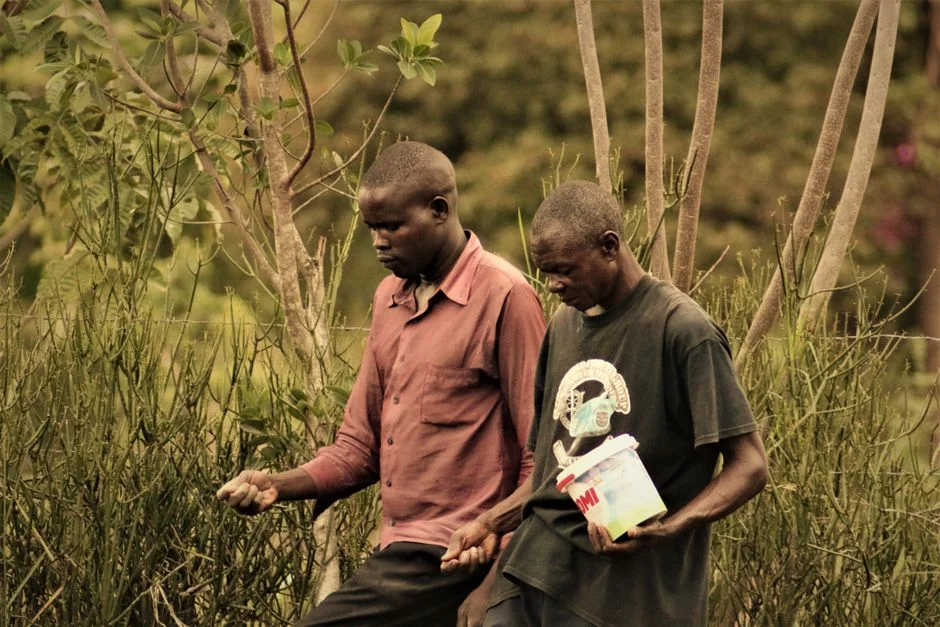
In the dusty streets of Kurfi, a small town in Katsina State, Dayyabu Abba has spent years doing something the Nigerian military has struggled to accomplish: keeping bandits away from his community. Now, officials and aid groups are asking whether residents like him represent the most realistic solution to a crisis that has displaced millions across Nigeria's north-west.
The question has taken on new urgency as armed groups continue to stage attacks on villages, kidnapping residents for ransom and forcing entire communities to abandon their farms. In response, a network of local mediators — men who know the terrain, speak the language, and understand the social pressures that drive young men into armed groups — has emerged as an unconventional but increasingly recognized force.
The Limits of Military Response
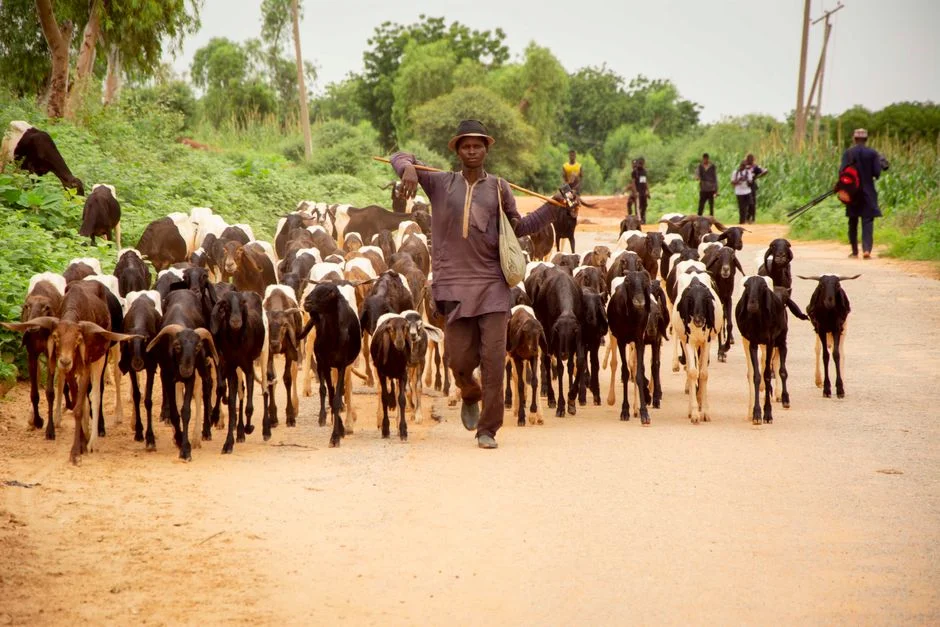
Nigeria's armed forces have deployed thousands of troops to the north-west, yet attacks have continued. The military holds territory but struggles to protect scattered rural settlements spread across difficult terrain. Local residents say soldiers often arrive hours after attacks have ended, if they arrive at all. The gap between formal security provision and village-level needs has created space for alternative approaches to take root.
Abba, who spoke with journalists in Kurfi, described his role in simple terms. "We know these people," he said. "Some of them grew up here. We are familiar faces — not soldiers, not outsiders." His community has used those connections to negotiate releases of kidnapped neighbours and to pass warnings when armed groups approach. The approach is informal, sometimes controversial, but advocates say it produces results that conventional forces cannot match.
How Community Mediators Operate
The work of local peacemakers varies depending on the community and the nature of the threat. In some areas, mediators maintain contact with armed group leaders through relatives or shared acquaintances. They deliver messages, arrange ceasefires, and in some cases facilitate the transfer of ransom payments — a practice that critics argue inadvertently funds criminal operations.
Other mediators focus on prevention rather than negotiation. They identify young men at risk of recruitment, work with village elders to resolve disputes before they escalate, and maintain informal early-warning networks using mobile phones and motorbike riders. The methods lack standardization, and success depends heavily on the personal relationships and reputation of individual mediators.
Risks and Criticisms
The approach carries significant risks. Mediators have been killed by armed groups that view them as intelligence sources. Others have faced arrest by security forces who suspect them of collaborating with criminals. A 2023 report by a local conflict monitoring group documented at least a dozen cases of community mediators being targeted since 2020.
There is also the question of legitimacy. When a community pays ransom to free a captive, it reinforces a financial model that incentivizes kidnapping. Some security analysts argue that local mediation efforts, however well-intentioned, ultimately sustain the economics of banditry rather than undermining it. "You are dealing with a business model," one researcher noted. "If you pay, the business grows."
Government's Mixed Position
Nigerian officials have offered contradictory signals about whether community mediation should be encouraged or suppressed. Military spokespeople have repeatedly stated that only state forces should negotiate with armed groups, arguing that unofficial talks undermine authority and embolden criminals. Yet in practice, security agencies have often turned a blind eye to community-level arrangements, particularly in areas where the state has little presence.
The National Assembly has held hearings on the north-west security crisis but has not passed legislation addressing the role of local mediators. Several senators from affected states have publicly praised community peace efforts while stopping short of endorsing ransom payments. The ambiguity leaves mediators in a legal grey zone, exposed to prosecution if their activities attract official scrutiny.
What International Actors Are Watching
Aid organizations operating in the region have begun incorporating community mediation into their programming, funding training for local peacemakers and documenting effective practices. International donors have also taken note, with some diplomatic missions citing local mediation as a rare bright spot in an otherwise grim security picture.
The approach echoes similar efforts in other conflict zones, where community-level peacebuilders have operated alongside or in place of formal security forces. Whether those models can be adapted to Nigeria's north-west — where armed groups are well-armed, mobile, and deeply embedded in local economies — remains an open question.
The Human Cost of Waiting
For families trapped in affected communities, the debate over policy approaches can feel abstract. Villages in Katsina, Zamfara, and Sokoto states have reported repeated attacks over the past two years. Schools have closed. Markets have relocated. Thousands of hectares of farmland sit untended because farmers cannot safely work their fields during planting season.
Those who have lost relatives to bandit attacks express frustration with both the pace of military operations and the risks of relying on mediators. "We want the government to protect us," said one resident of a village near Kurfi who asked not to be identified. "But when they do not come, what else can we do?"
What Comes Next
The Katsina State government has announced plans to establish a formal community policing framework that would integrate local volunteers into the security architecture. If implemented, it would represent the most explicit official embrace of community-led security to date. Details remain scarce, and critics question whether the programme will receive adequate funding and training.
Whether the model scales — or simply adds another layer of risk for mediators already operating without protection — will depend on decisions made in state capitals and Abuja in the coming months. For Abba in Kurfi, the calculations remain personal. "We do what we have to do," he said. "Someone must speak for these people."
See Also
- Iran Rejects US 15-Point Plan — No Room for Negotiations
- Hungary Accuses Serbia of Sabotage in Russian Gas Pipeline Incident