Joseph Gbagyo, the newly elected chairman of the Nigerian Bar Association, said this week that Nigeria's democratic institutions are evolving despite persistent challenges. His remarks came during an address at the Makurdi Branch of the association, where legal professionals gathered to discuss the state of governance in Africa's largest economy.
NBA Chairman-Elect Speaks on Democratic Progress
Gbagyo, who will lead Nigeria's foremost legal professional body, acknowledged that democracy in the country has faced significant headwinds. However, he argued that the system continues to develop in meaningful ways. The Nigerian Bar Association represents more than 200,000 legal practitioners across the country and has historically served as a watchdog for rule of law and constitutional governance.
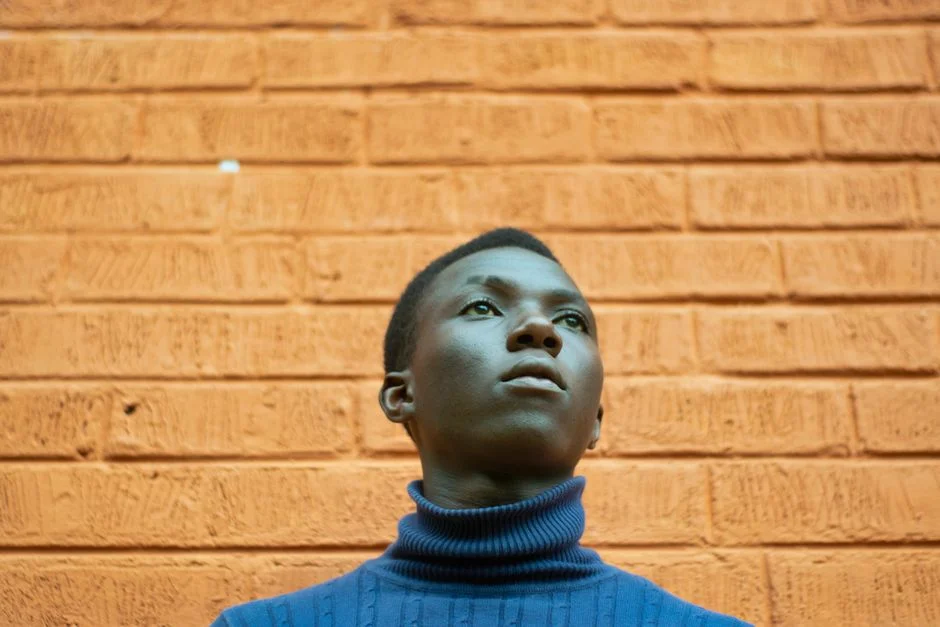
The Makurdi gathering brought together lawyers from Benue State and surrounding regions to hear Gbagyo's vision for the association. His comments reflected a balanced assessment of Nigeria's political landscape, recognising both achievements and areas requiring urgent attention.
Challenges Facing Nigerian Democracy
Nigeria returned to democratic rule in 1999 after decades of military government. Since then, the country has conducted multiple general elections, though observers have repeatedly flagged concerns about electoral integrity, judicial independence, and executive overreach.
Gbagyo did not shy away from these concerns during his address. He told attendees that the legal profession has a critical role to play in strengthening democratic norms. Courts across the country have at various points been called upon to adjudicate disputes arising from elections and executive actions, testing the resilience of Nigeria's constitutional framework.
The Legal Profession's Role in Democratic Governance
The NBA chairman-elect emphasised that lawyers serve as gatekeepers for democracy. He pointed to recent cases where the judiciary demonstrated independence in ruling against government interests. These moments, he argued, prove that Nigeria's democratic institutions retain their capacity to check executive power when properly engaged.
Gbagyo also addressed the growing concerns about access to justice for ordinary Nigerians. Court backlogs continue to delay resolution of civil and criminal matters, with some estimates suggesting cases can remain pending for years in major urban centres like Lagos and Abuja.
Regional Perspectives on Governance
The Makurdi Branch setting was deliberate. Benue State, located in Nigeria's Middle Belt, has experienced periodic episodes of communal violence and land disputes that test local governance structures. Gbagyo's choice to deliver his remarks there signals attention to regional governance challenges beyond the federal capital.
Participants at the event raised concerns about security challenges affecting their communities. The ability of local governments to function effectively has been hampered in some areas by both funding constraints and threats to public safety.
What Comes Next for the NBA
Gbagyo takes over the NBA at a time when the association faces pressure on multiple fronts. The organisation has publicly engaged with government policies it deems harmful to rule of law, including proposed legislation that critics argue could restrict civic space. The new chairman will need to navigate relationships with both the executive and legislative branches while maintaining the association's independence.
His predecessor raised concerns about executive interference in judicial appointments and the slow pace of judicial reforms. Gbagyo inherits these unfinished debates and will be expected to continue advocacy on these issues.
Broader Implications for Nigeria's Political Future
Gbagyo's optimism about Nigeria's democratic evolution stands against a backdrop of global democratic recession. Across Africa and beyond, autocratic tendencies have strengthened while civic spaces have contracted. Nigeria's trajectory matters not only for its 200 million citizens but as a bellwether for democratic governance across the continent.
The NBA chairman-elect called on legal professionals to remain vigilant. He warned against complacency, arguing that democratic gains can be reversed if lawyers and civil society fail to hold power accountable. His remarks drew on historical examples from Nigeria's own political history, where hard-won constitutional protections were eroded during periods of military rule.
Looking Ahead
Gbagyo's term begins in the coming months, and he has outlined priorities including legal aid expansion, judicial reform advocacy, and protection of human rights defenders. The next general election cycle is scheduled for 2027, which will test whether Nigeria's democratic institutions can manage the transition of power without the tensions seen in previous cycles.
Legal observers will be watching how the NBA under Gbagyo engages with pending electoral reforms and any proposed changes to the constitution. His performance in these early months will set the tone for what promises to be a consequential period in Nigeria's democratic development.
See Also
- African Women Leaders Network Holds High-Level Meetings in Addis Ababa
- Bengal CEO Slams TMC Delegation — Security Breaches Exposed
Gbagyo's choice to deliver his remarks there signals attention to regional governance challenges beyond the federal capital.Participants at the event raised concerns about security challenges affecting their communities. The organisation has publicly engaged with government policies it deems harmful to rule of law, including proposed legislation that critics argue could restrict civic space.
What is the latest news about joseph gbagyo defends nigerias democracy as it faces mounting challenges?
Why does this matter for economy-business?
What are the key facts about joseph gbagyo defends nigerias democracy as it faces mounting challenges?