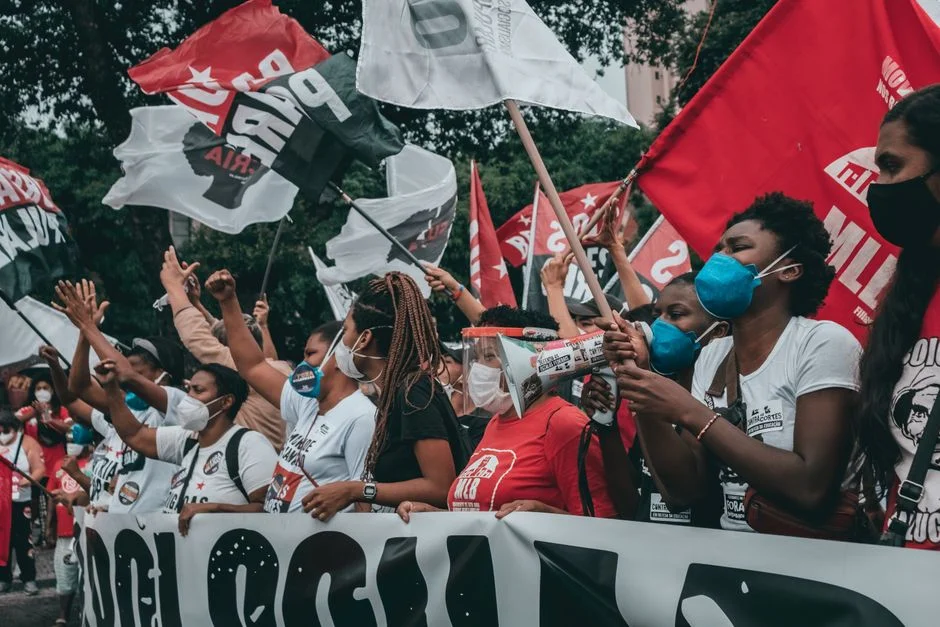
The Nigeria Labour Congress and the Trade Union Congress have issued a joint warning that workers across the country could be called out on a nationwide strike if the federal government fails to address the escalating insecurity plaguing Nigeria. The announcement marks the latest flashpoint in a long-simmering dispute over safety conditions affecting both urban and rural populations.
Unions Announce Strike Warning
The Nigeria Labour Congress, which represents millions of workers across federal, state, and private sector establishments, confirmed the strike threat in a statement released to the press on Tuesday. The TUC, Nigeria's second-largest labour federation, joined the declaration, signalling rare unity between the two bodies on an issue that has increasingly dominated public discourse.
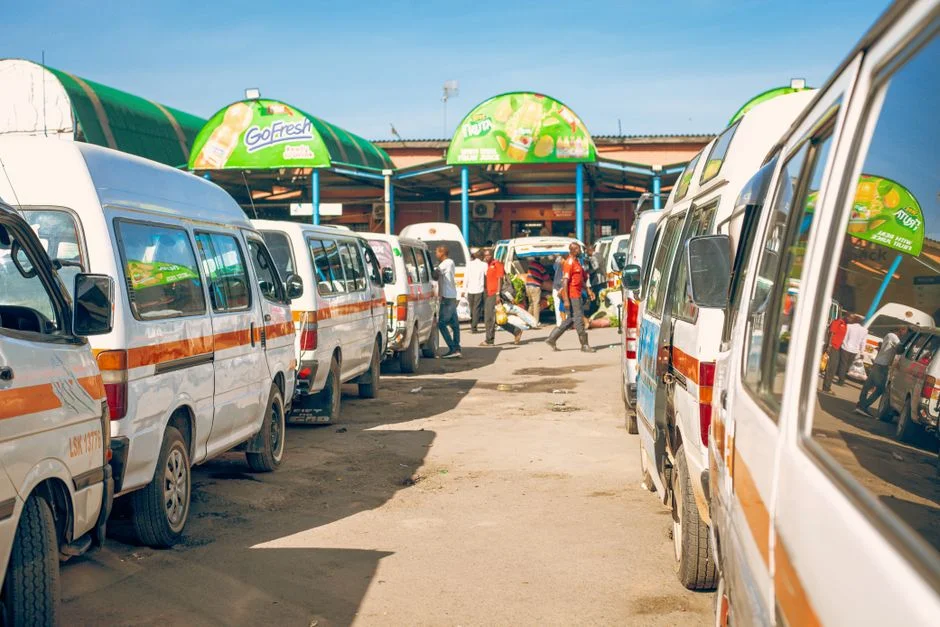
The unions cited a pattern of attacks across multiple states, including mass kidnappings, village raids, and highway robberies that have made daily life increasingly precarious for working Nigerians. Labour leaders argued that the government's response has been inadequate and that workers should not bear the cost of an unsolved security emergency.
What Sparked the Threat
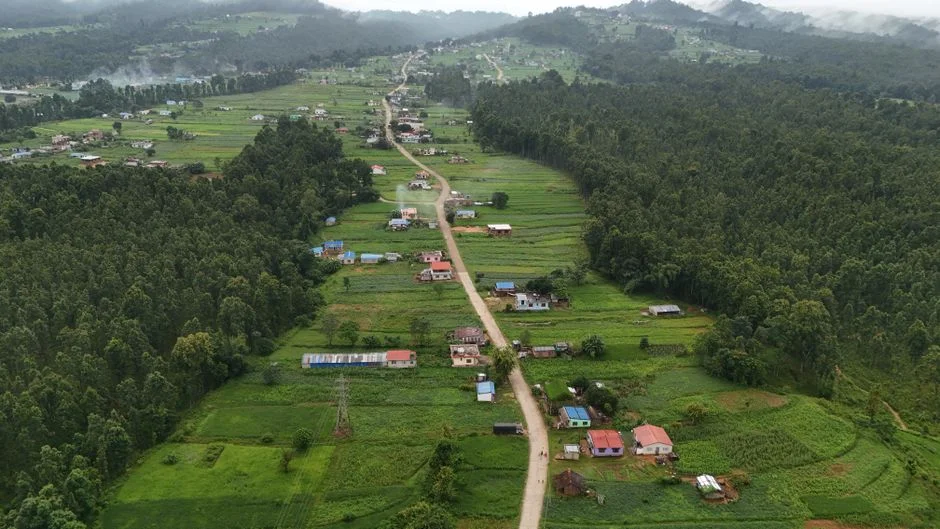
Security analysts have documented a sharp rise in criminal activity across northern and central states over the past eighteen months. Road travel between major cities has become unpredictable, with commercial drivers reporting shortened routes and increased insurance costs. Schools in affected regions have introduced shortened hours or closed entirely, disrupting education for thousands of children.
Local authorities in states including Niger, Kaduna, and Plateau have requested additional federal support, but resource constraints have limited the deployment of security personnel. The police have cited funding shortfalls and equipment shortages in internal briefings seen by local media outlets.
Workers Caught in the Crossfire
For many Nigerian families, the inability to travel safely to workplaces has become a daily calculation. Civil servants in state capitals have reported missing work due to road blockages, while informal sector workers in rural markets face threats from armed groups operating with apparent impunity. The labour unions argue that this environment violates the basic right to safe employment.
Government Response and Negotiations
The federal Ministry of Labour and Employment acknowledged receipt of the unions' communication and indicated that talks were underway. A ministry spokesperson told reporters that the government recognises the gravity of the security situation and remains committed to social dialogue. However, no concrete timeline for resolving the dispute has been announced.
The Ministry of Interior, which oversees police and paramilitary agencies, declined to comment on the specifics of any contingency planning. Senior officials speaking on background said that essential services would be prioritised in the event of a strike, though they did not elaborate on which sectors would receive protection.
Economic Stakes of a Strike
Nigeria's economy depends heavily on the movement of people and goods through major commercial corridors. The ports in Lagos handle the vast majority of the country's imports, and any disruption to port operations would immediately affect supply chains for medicine, fuel, and manufactured goods. The National Bureau of Statistics recorded a 3.2 percent contraction in non-oil sector output during the last period of significant labour unrest.
Small and medium enterprises, which employ the majority of Nigeria's workforce outside the civil service, would bear a disproportionate burden during any shutdown. Business owners in Abuja and Lagos have begun exploring contingency arrangements, though many say they lack the resources to absorb prolonged losses.
Precedents and Political Context
The Nigeria Labour Congress has a history of leveraging strike action to force concessions from the government. A 2022 nationwide strike over fuel subsidies brought the country to a standstill for three days before a negotiated settlement was reached. The TUC has historically coordinated with the NLC on major mobilisations, though the two organisations have occasionally pursued separate strategies.
Political observers note that the timing of the announcement coincides with heightened scrutiny of the administration's security record ahead of upcoming budget deliberations. The organised labour movement has long maintained influence in Nigerian politics, and the threat of a strike gives the unions considerable leverage in any future negotiations over government spending priorities.
What Happens Next
The labour bodies have given the government a fourteen-day window to present a credible security improvement plan before any formal strike notice is issued. That deadline expires at the end of the month, placing pressure on both sides to reach a framework agreement before workers are formally called out.
Analysts are watching the meetings between union representatives and ministry officials closely. A breakdown in talks would likely trigger a formal strike vote, which union rules require before any nationwide action can be sanctioned. Workers in essential services sectors have been advised to await further instruction from their local union chapters.
See Also
- Britain, Israel, and 40 Nations Convene to Secure Strait of Hormuz
- Tinubu Demands Global Financial Overhaul to Unlock Africa’s Growth
The ports in Lagos handle the vast majority of the country's imports, and any disruption to port operations would immediately affect supply chains for medicine, fuel, and manufactured goods. Economic Stakes of a Strike Nigeria's economy depends heavily on the movement of people and goods through major commercial corridors.