A major investigation has revealed that Royal Dutch Shell continued operating a pipeline in Nigeria for years after receiving internal warnings about pollution risks. The findings, contained in a newly published report, expose a timeline of documented concerns raised by Shell employees that failed to trigger immediate action to protect surrounding communities and ecosystems.
Internal Warnings Ignored for Years
The report draws on internal company communications and environmental assessments that circulated within Shell's Nigerian operations. According to the findings, staff members flagged potential contamination risks associated with the pipeline infrastructure in the Niger Delta region. Those warnings, however, did not result in the suspension of operations or meaningful remediation efforts.
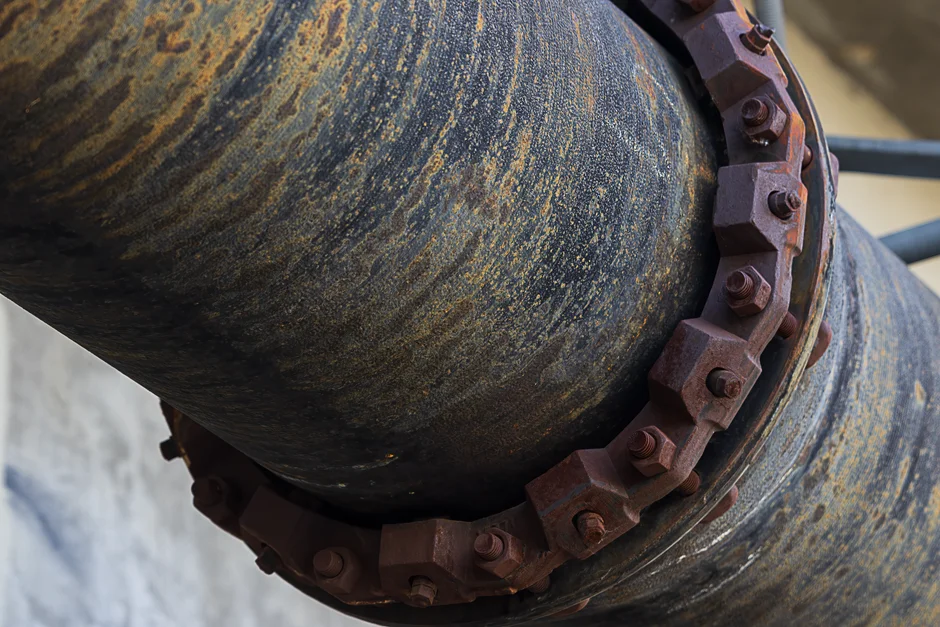
The pipeline in question had been a critical artery for moving crude oil from onshore fields to export terminals. Its continued operation despite the internal alerts has drawn sharp criticism from environmental advocates and legal experts who argue that the company prioritised production over environmental stewardship.
Shell has operated in Nigeria for decades, with a footprint spanning the oil-rich Niger Delta. The company's operations have long been a subject of controversy, particularly in relation to incidents of oil spills and gas flaring that have affected local fishing communities and farmland.
Communities Bear the Cost
Communities living near the pipeline corridor have reported years of environmental degradation that they attribute to leaks and spills. Local fishermen in the Niger Delta say their catches have dwindled as waterways became contaminated with oily residues. Farmers in the region have described crops failing in areas where contamination has seeped into the soil.
Health workers in nearby settlements have noted higher rates of respiratory ailments among residents exposed to fumes from the pipeline infrastructure. Many families have struggled to receive compensation or adequate acknowledgment of the harm caused by ongoing pollution.
The environmental damage in parts of the Niger Delta has become one of the most visible symbols of the tension between oil extraction and community livelihoods in Africa. Decades of spills have left craters of contaminated earth that local populations say will take generations to recover, if they recover at all.
Report Adds to Shell's Nigerian Legal Troubles
The publication arrives as Shell faces multiple legal challenges related to its Nigerian operations. Courts in the Netherlands and the United Kingdom have heard cases brought by Nigerian communities seeking damages for environmental harm. The company has maintained its position that it operates in compliance with applicable regulations, but critics argue that those standards have been insufficient to prevent widespread damage.
This latest report may strengthen the hand of communities pursuing litigation. Legal observers say internal company documents that acknowledge pollution risks could prove significant in demonstrating that Shell was aware of potential harm and failed to take adequate preventive measures.
The case also raises broader questions about the accountability of multinational oil companies operating in regions where regulatory enforcement has historically been weak. Development advocates argue that foreign extractive companies must accept greater responsibility for environmental stewardship when host governments lack the capacity or political will to enforce stringent standards.
What Comes Next
Shell has stated that it will review the findings of the report and respond to specific allegations. The company has previously maintained that it takes environmental concerns seriously and has invested in infrastructure upgrades intended to reduce the risk of spills.
Nigerian regulatory authorities have not yet issued a formal response to the report. The country's petroleum industry regulator has faced criticism in recent years for what advocacy groups describe as insufficient oversight of oil company operations.
Environmental organisations have called for independent audits of Shell's Nigerian pipeline network. They are also pushing for transparent disclosure of all internal pollution assessments conducted over the past decade. The report's authors say their investigation is ongoing and that additional findings may be published in the coming months.
Watch for a formal response from Shell's headquarters in The Hague, expected within the next two weeks. Nigerian civil society groups are planning a demonstration in Port Harcourt to coincide with the report's release, drawing attention to what they describe as decades of unaddressed environmental harm in the Niger Delta.
See Also
- South Africa's High Court Rules on Ocean Pollution Case
- Brandon Thomas-Asante Gets Ghana World Cup Call-Up After Stellar Coventry Season