The Federal Government has officially moved the headquarters of the Great Green Wall Agency from its previous location to Kano, shifting the centre of Nigeria's fight against desertification to the heart of the country's dryland regions. The relocation, confirmed by officials familiar with the decision, places the federal body's operational base closer to the communities most affected by advancing desert conditions across the Sahel belt.
Strategic Shift to the Sahel Corridor
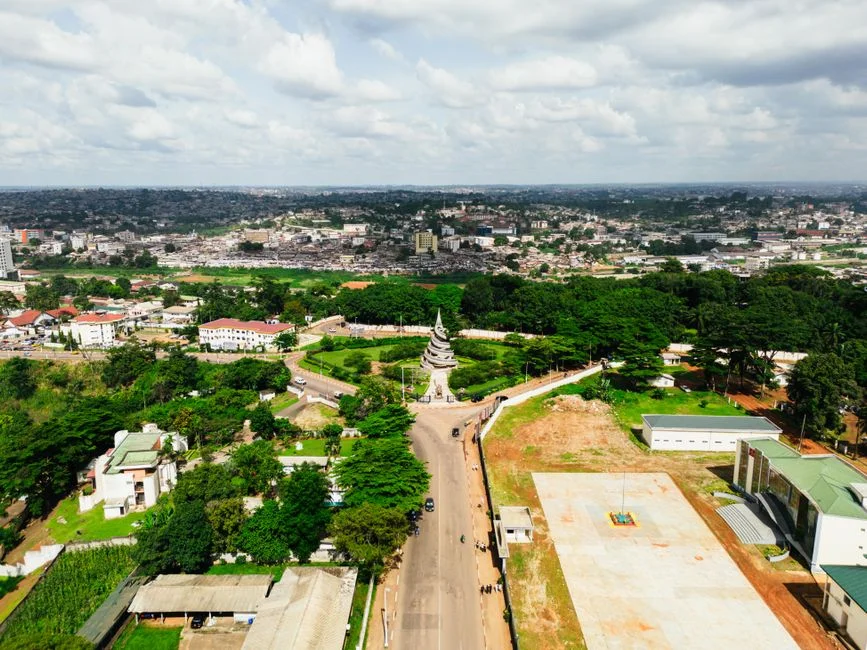
Kano, Nigeria's largest northern city, sits at the edge of the Sahel zone where the Sahara's southern boundary increasingly encroaches on farmland and grazing routes. Officials say the move brings the agency closer to the frontlines of land degradation affecting millions of smallholder farmers in states bordering the desert.
The Great Green Wall initiative, originally conceived as an African Union megaproject spanning 20 countries from Senegal to Djibouti, aims to restore 100 million hectares of degraded land across the continent. Nigeria's participation involves planting trees and building sand barriers to slow wind erosion across states including Kano, Jigawa, Katsina, and Yobe.
Why Kano Was Chosen
Sources within the Ministry of Environment indicated that proximity to active project sites drove the decision. Previously, administrative decisions were being made from federal offices far from the implementation zones, creating delays in fund disbursement and community engagement. The new location is expected to reduce response times during planting seasons and improve coordination with local government authorities in the affected states.
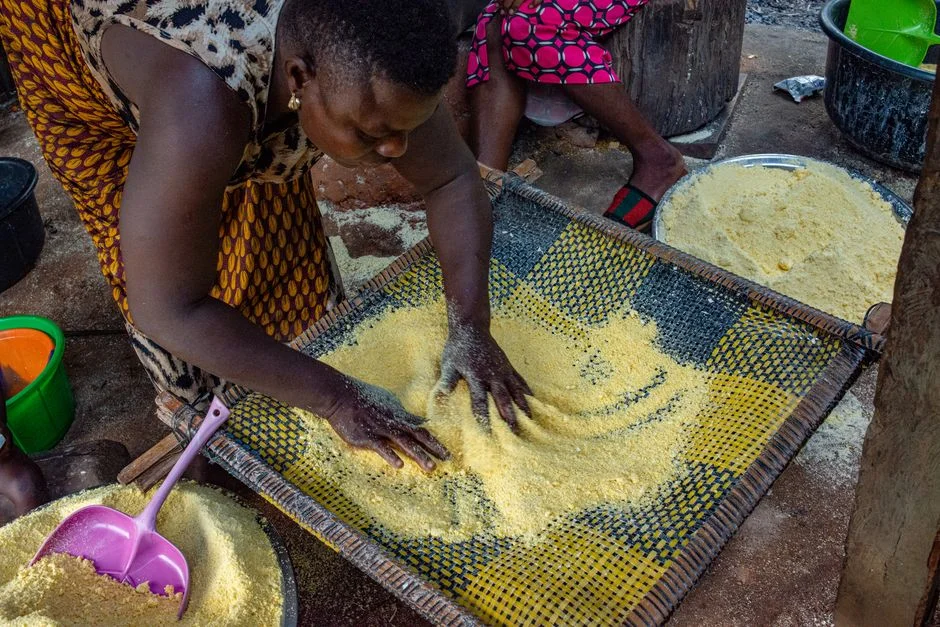
Northwest Nigeria has recorded some of the country's highest rates of soil nutrient depletion over the past decade, according to data from the Federal Ministry of Agriculture. The area loses an estimated 35 kilograms of nitrogen per hectare annually in heavily farmed districts, far exceeding natural replenishment rates.
Continental Context for the Relocation
The Great Green Wall programme gained renewed international attention following the United Nations Decade on Ecosystem Restoration, which runs through 2030. African nations have been under pressure to accelerate their national contributions to the continental target of restoring 100 million hectares by 2030, a figure that represents a cornerstone of the African Union's Agenda 2063 development framework.
Nigeria currently trails several Sahelian neighbours in total area restored under the programme, according to reports submitted to the African Union's Great Green Wall Authority. Officials say the relocation is intended to reverse that trend by removing bureaucratic bottlenecks that have slowed on-the-ground work.
Local Expectations in Kano and Surrounding States
Community leaders in Kano's rural areas welcomed the announcement, saying administrative staff had previously been difficult to reach for routine approvals. Local government officials in three neighbouring states told Vanguard that they anticipated faster turnaround on project funding requests once the new headquarters becomes fully operational.
Farmers in the zone have long struggled with shortened rainy seasons and increasing dust storm frequency. Agricultural extension workers operating in Jigawa State reported that soil erosion had reduced maize yields by up to 20 percent in the hardest-hit areas over the past five years.
Funding and International Support
The Great Green Wall Agency in Nigeria has received support from both the African Union and international donors including the European Union and the World Bank's TerrAfrica programme. The agency coordinates tree-planting campaigns, water harvesting structures, and community training programmes across partner states.
Federal officials noted that the relocation will not affect existing funding agreements, which are administered through the agency's federal account. A spokesperson for the Ministry of Environment confirmed that all current donor commitments remain intact and will be managed from the new Kano location.
What Comes Next
The agency is expected to complete its physical move and resume full operations from the Kano headquarters within the next three months, according to a timeline shared by ministry officials. Staff transfers are underway, and the ministry has budgeted for office infrastructure upgrades at the new site.
A joint review by the African Union and national implementing agencies is scheduled for the third quarter of the year, when progress on Nigeria's restoration targets will be assessed against the continental 2030 deadline. Observers say the agency will face immediate pressure to demonstrate increased planting rates and community participation figures in its next quarterly report.
See Also
- Press Club of India Issues Election Reporting Guidelines — Here's Why It Matters
- Iranian Coast Guard Fires on Togo-Flagged Tanker — Gulf Tensions Escalate
What is the latest news about nigeria relocates great green wall hq to kano desert fight moves north?
Why does this matter for politics-governance?
What are the key facts about nigeria relocates great green wall hq to kano desert fight moves north?