India is seeking to strengthen its agricultural supply chain by turning to Nigeria and other African nations for soybean imports. This shift comes as India grapples with domestic supply shortages and soaring prices in staple foods. In recent months, the price of soybeans in India has surged by nearly 20%, driven by high demand for edible oils and protein sources.
Nigeria's Expanding Role in Global Agriculture
With a population exceeding 200 million, Nigeria has positioned itself as a key player in the global agricultural market. The country is one of the largest producers of soybeans in Africa, harvesting approximately 1.5 million tonnes annually. This increase in production aligns with Nigeria's goal of enhancing food security and boosting agricultural exports.
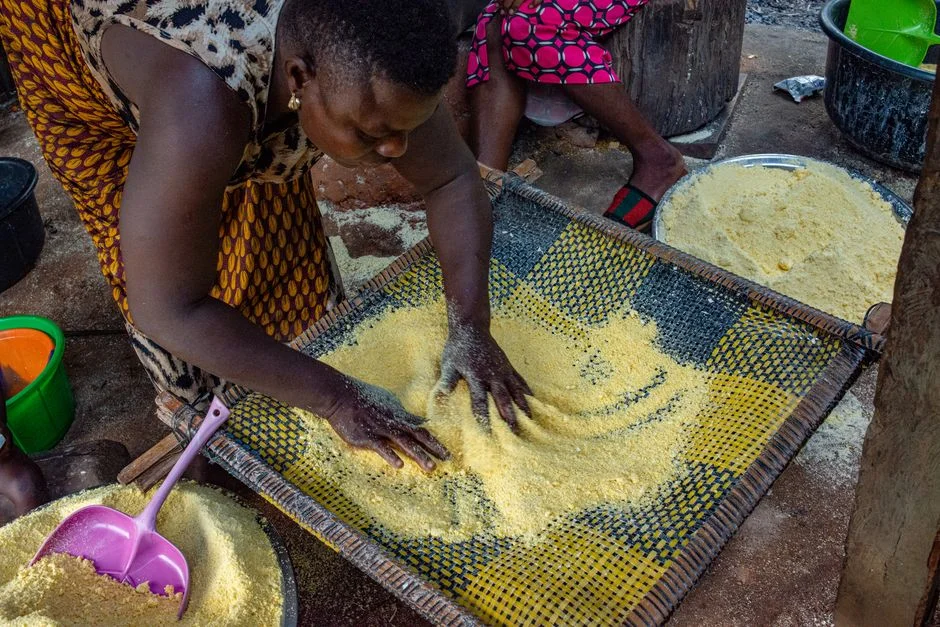
The Nigerian Minister of Agriculture, Mohammed Abubakar, reported that the nation aims to double its soybean output by 2025. This strategic focus not only meets local demands but also opens new export opportunities, particularly to India. By diversifying its markets, Nigeria is preparing to tap into the growing Asian demand for soybeans.
Challenges Facing Nigeria's Agricultural Sector
Despite its potential, Nigeria's agricultural sector faces several challenges, including inadequate infrastructure, limited access to financing, and climate-related issues. The World Bank reported that about 30% of Nigerian farmers lack access to modern agricultural equipment, which hampers productivity.
Moreover, logistics remain a significant hurdle. Poor road conditions and inadequate transport facilities can prevent timely exports to markets. This situation has created a pressing need for investment in infrastructure to support the agricultural sector's growth and ensure that Nigeria can fulfil international demand.
Impact on Other African Countries
India's focus on African nations for soybean imports may create opportunities for several neighbouring countries as well. Countries like Ghana, Cameroon, and Senegal are also looking to bolster their agricultural exports. The interconnectedness of African economies means that increased soybean exports from Nigeria could benefit agricultural stakeholders across the continent.
For instance, Ghana, which has traditionally relied on Nigeria for soybean imports, could see a significant boost in trade relations if it enhances its own production capabilities. This ripple effect can help other African countries develop their agricultural sectors, thereby contributing to the overall goals of the African Union's Agenda 2063, which aims for inclusive economic growth.
Economic Growth and Development Goals
As African nations strive to achieve the United Nations Sustainable Development Goals, the partnership between India and African countries like Nigeria serves as a promising model for economic growth. Increased agricultural exports not only contribute to food security but also create jobs and stimulate rural economies.
According to the African Development Bank, boosting agricultural productivity could contribute up to 25% of GDP growth in the continent by 2025. For Nigeria, solidifying its position as a key soybean exporter to India can significantly enhance its economic prospects while advancing regional food security.
Future Prospects for Nigeria and India
Looking ahead, Nigeria's agriculture sector may witness significant investment from both public and private sectors, driven by India's increasing demand. The Indian government has already indicated support for joint ventures aimed at improving agricultural techniques in Nigeria.
Furthermore, Nigeria's Federal Ministry of Agriculture is expected to implement new policies aimed at attracting foreign investment in agriculture, ensuring that the country remains a competitive player in the global market. Stakeholders within Nigeria's agricultural community should watch closely for upcoming trade agreements that could enhance export capabilities.
What to Watch Next
As India continues to seek sustainable agricultural solutions, Nigeria's ability to meet this demand will be closely monitored. Upcoming meetings between Nigerian and Indian officials will focus on trade agreements and agricultural partnerships, with a timeline set for the second quarter of 2024. These discussions could reshape the agricultural landscape in West Africa and provide a roadmap for other nations looking to expand their export markets.
This situation has created a pressing need for investment in infrastructure to support the agricultural sector's growth and ensure that Nigeria can fulfil international demand.Impact on Other African CountriesIndia's focus on African nations for soybean imports may create opportunities for several neighbouring countries as well. The interconnectedness of African economies means that increased soybean exports from Nigeria could benefit agricultural stakeholders across the continent.For instance, Ghana, which has traditionally relied on Nigeria for soybean imports, could see a significant boost in trade relations if it enhances its own production capabilities.