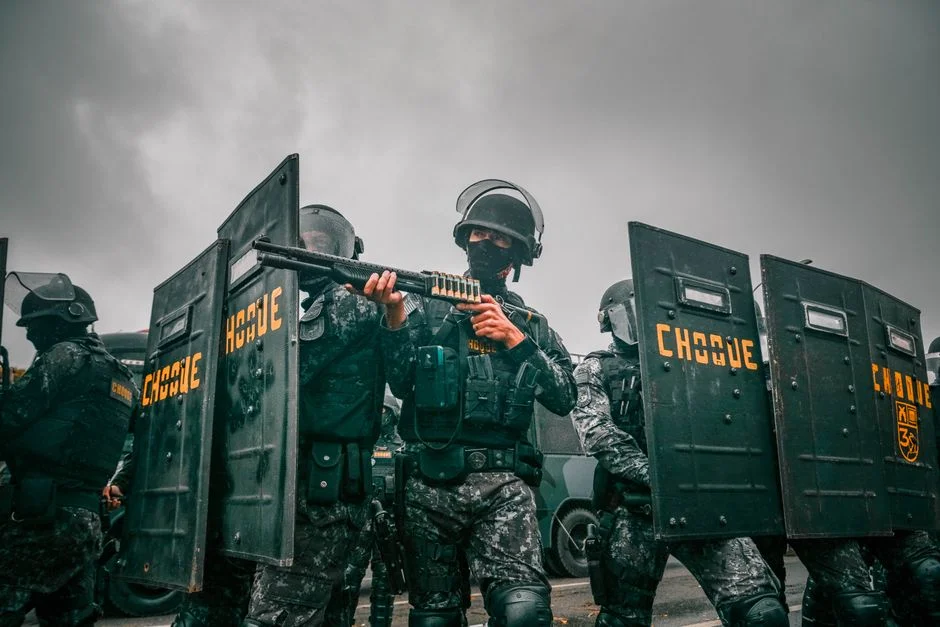
Nigeria experienced 1,934 improvised explosive device attacks, according to data released by Interpol during a recent security briefing covered by Vanguard News. The figure represents one of the highest concentrations of explosive violence documented across the African continent in recent years, placing the country at the centre of regional counter-terrorism discussions.
The Scale of Nigeria's Explosive Threat
The 1,934 recorded incidents span multiple regions, with the northeast bearing the heaviest burden. Communities in Borno, Adamawa, and Yobe states have endured sustained waves of attacks targeting both military installations and civilian populations. The attacks have destroyed infrastructure, displaced thousands of families, and created vast zones of economic inactivity across fertile agricultural land.
Vanguard News reported that the data highlights how IEDs have become the primary weapon of choice for armed groups operating in the region. Unlike conventional firearms attacks, explosive devices require specialised knowledge to manufacture and deploy, suggesting increasingly sophisticated networks behind the violence.
Interpol's Role in Tracking the Threat
Interpol, the International Criminal Police Organization, compiled the data as part of its ongoing effort to support member countries in sharing intelligence across borders. The organisation maintains a dedicated command and coordination centre designed to help African nations track the movement of explosive materials and the individuals responsible for attacks.
The police body works by connecting national law enforcement agencies that often lack direct communication channels. Its database allows authorities in Nigeria to cross-reference suspects with individuals flagged by security services in neighbouring countries, including Niger, Chad, and Cameroon.
Development Consequences Beyond the Immediate Violence
The human cost of these attacks extends far beyond casualties. Local economies in affected areas have collapsed as businesses closed and markets relocated. Road networks critical for transporting goods from farms to urban centres now require military escorts, adding costs that make locally produced goods uncompetitive.
Schools in rural communities have shut down permanently in some areas. Teachers refuse assignments to regions where convoys carrying supplies face regular ambushes. Healthcare facilities operate at minimal capacity because medical staff cannot safely reach patients in remote villages.
Infrastructure Damage and Economic Recovery
Power infrastructure has suffered repeated sabotage, leaving towns without electricity for months at a time. Telecommunications towers have been destroyed to disrupt military communications, but the effect on civilian businesses that depend on connectivity has been equally severe. Rebuilding efforts constantly lag behind new destruction.
International investors considering Nigeria's agricultural sector have identified security instability as their primary concern. Projects requiring workers to operate in remote locations face insurance costs that render them economically unviable. The result is a cycle where poverty creates conditions that armed groups exploit for recruitment.
Regional Dimensions of the Crisis
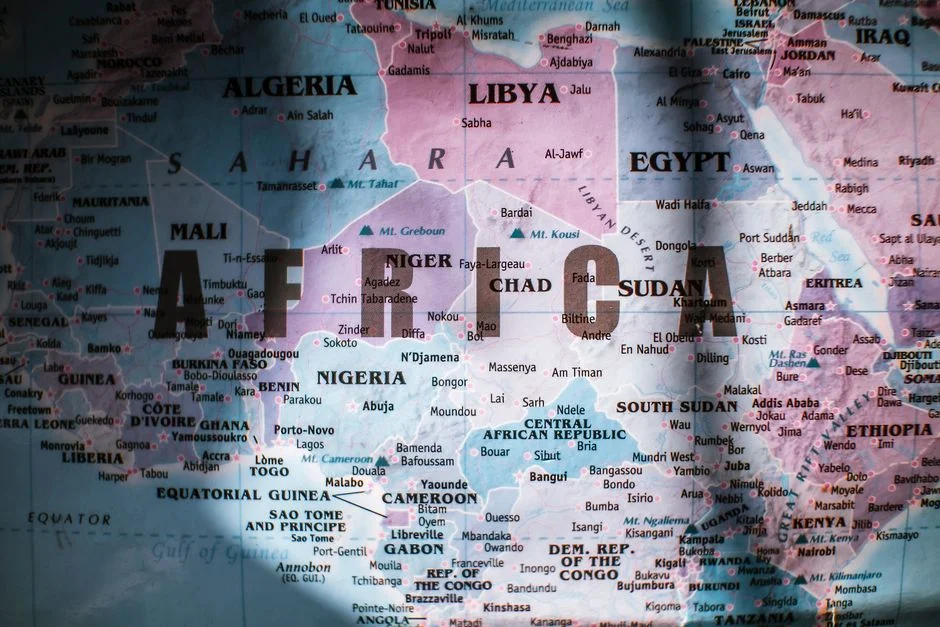
The Lake Chad Basin region, which encompasses parts of Nigeria, Niger, Chad, and Cameroon, has emerged as a focal point for regional security cooperation. All four countries face threats from the same networks operating across porous borders. Interpol's intelligence-sharing framework becomes essential in an environment where no single nation possesses complete visibility over the movement of attackers.
Military operations conducted jointly by regional forces have achieved territorial gains, but analysts note that hard-won ground frequently slips back into instability when troops withdraw. The pattern suggests that military solutions alone cannot address the underlying conditions that allow armed groups to sustain operations.
What Comes Next for Nigerian Security
Nigerian authorities face pressure to demonstrate that intelligence gathered through international cooperation translates into actionable operations on the ground. The government has committed to increasing funding for counter-IED units, but recruitment and training take time that affected communities do not have.
Regional partners are expected to convene additional sessions focused on harmonising border security protocols. Interpol will continue providing analytical support, though the effectiveness of this assistance ultimately depends on how quickly individual countries act on the intelligence they receive.
Watch for the next Interpol regional report, expected within six months, which will establish whether the 1,934 figure represents a peak or an ongoing trend. Donors and development partners will be monitoring whether security improvements translate into measurable progress on poverty reduction targets in affected areas.
See Also
- Ashley Graham Slams Weight Loss Drugs — Body Positivity Movement Shaken
- WHO Approves First Malaria Drug for Babies in Africa