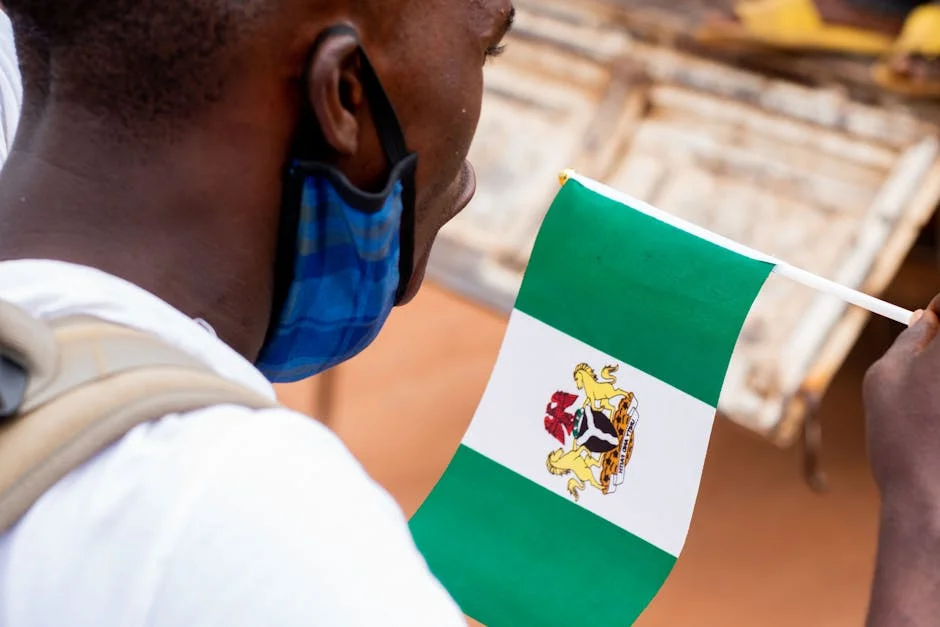
Nigeria's electricity industry is undergoing a significant transition as the nation grapples with longstanding governance challenges. In recent weeks, the Federal Ministry of Power has outlined a comprehensive reform strategy aimed at optimizing electricity access and improving market efficiency. This initiative, announced on September 20, 2023, could reshape Nigeria's energy landscape and bolster economic growth.
Power Sector Conditions Fuel Reform Initiatives
The electricity market in Nigeria has faced numerous challenges, including frequent blackouts and inadequate infrastructure. The World Bank reports that despite a power generation capacity of 12,500 megawatts, only about 4,000 megawatts are reliably supplied to consumers.
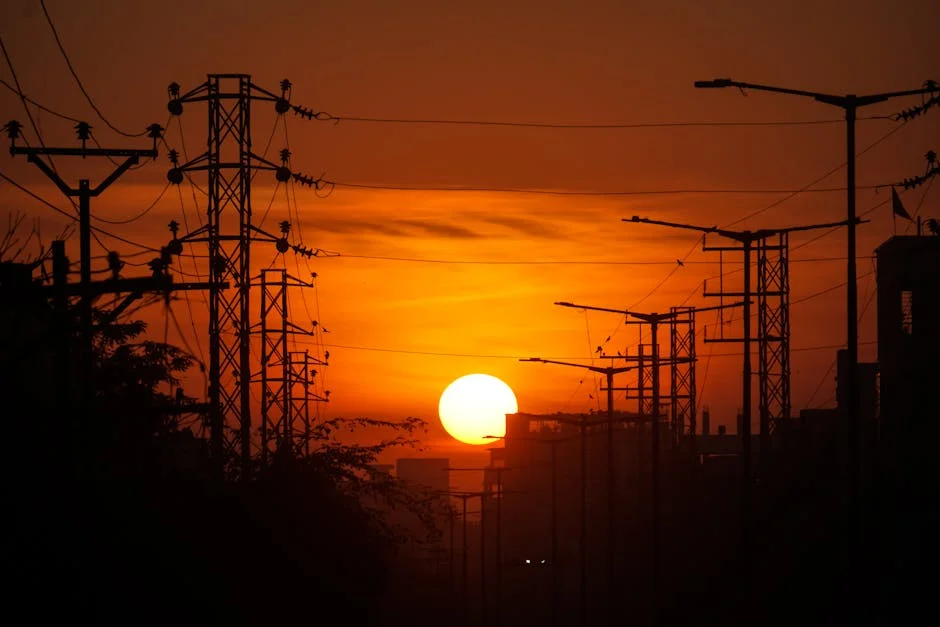
In Abuja, Minister of Power Adebayo Adelabu confirmed that the government is committed to implementing reforms to enhance the transparency and efficiency of the sector. These changes come at a crucial juncture as the nation aims to achieve universal electricity access by 2030, aligning with the United Nations Sustainable Development Goals.
Leadership Changes Driving Market Reforms
On October 2, 2023, a new leadership team, including seasoned professionals from the energy sector, was appointed to the Nigerian Electricity Regulatory Commission (NERC). Their mission involves tackling the inefficiencies that have hampered progress in the market and addressing corruption allegations that have plagued the industry.
Adelabu stated, "Our reforms will ensure that we prioritise consumer interests and improve our infrastructure to provide reliable electricity to all Nigerians." The new leadership is expected to bring an innovative approach to governance, which could revitalise the ailing electricity sector.
Economic Growth and Development Goals at Stake
This overhaul of the electricity industry is not just about improving power supply; it is directly linked to Nigeria's broader economic objectives. The nation, which has faced economic challenges exacerbated by the COVID-19 pandemic, anticipates that a thriving electricity sector will spur industrial growth, attracting foreign investment.
With potential job creation in the renewable energy sector and increased energy access, the government is optimistic about the ripple effects of reforms. According to a recent report from the National Bureau of Statistics, the energy sector's growth could contribute up to 5% to Nigeria's GDP.
Addressing Governance Challenges: A Pan-African Perspective
Nigeria's struggles are not unique; governance issues within the electricity sector are a common challenge faced by many African nations. Countries like South Africa and Kenya have also embarked on similar paths to reform their energy sectors. The struggles of Nigeria's electricity industry resonate across the continent, highlighting the need for robust governance frameworks.
Regional Cooperation and Infrastructural Development
Improving governance in the energy sector can stimulate greater regional cooperation. Initiatives like the West African Power Pool aim to enhance electrical interconnections between countries, allowing for a more integrated energy market. By addressing these governance challenges, Nigeria can play a pivotal role in facilitating regional partnerships and attracting investments across the continent.
What to Expect Moving Forward
Looking ahead, the Nigerian government plans to implement gradual reforms within the next few months. Stakeholders are encouraged to monitor upcoming public consultations scheduled for late October, where the Ministry of Power will solicit input from industry experts and consumers alike.
These consultations will be crucial in shaping the final outline of the reforms. By engaging with key stakeholders, Nigeria aims to create a more inclusive policy framework that aligns with the aspirations of citizens while addressing the pressing issues in the electricity sector.
See Also
- Nigeria's PowerBall Plus Results Spark Development Discussions — April's Implications
- First Reveals Key Steps for Financial Protection Before Investing in Nigeria: What You Need to Know