South Africa has appointed Roelf Meyer, a key figure in the country’s transition from apartheid, as its new ambassador to the United States. The move, announced on 15 May 2024, has reignited discussions about historical accountability and the nation’s evolving diplomatic priorities. Meyer, who served as a minister under the last apartheid government, played a pivotal role in negotiating the end of racial segregation in the early 1990s. His appointment reflects a strategic decision to leverage his experience in international relations, despite controversy over his past.
Historical Context and Controversy
Meyer, 82, was a member of the National Party, the ruling party during apartheid. He was known for his pragmatic approach to ending the system, which led to his involvement in the 1990s negotiations that paved the way for democratic elections. His appointment has sparked debate among South African citizens and international observers. Some argue that his experience is valuable, while others question whether a former apartheid official should hold such a high-profile diplomatic position.
South Africa’s Department of International Relations and Cooperation stated that Meyer’s appointment was based on his “extensive diplomatic experience and deep understanding of international affairs.” However, the decision has drawn criticism from civil society groups. “It is concerning that someone with such a complex past is being placed at the forefront of our foreign policy,” said Zanele Mthembu, a human rights advocate in Johannesburg.
Implications for South Africa's Diplomacy
Meyer’s role as ambassador to the U.S. is expected to focus on strengthening bilateral ties, particularly in trade and security. The U.S. is a major economic and political partner for South Africa, and the appointment could signal a shift in how the country engages with Western nations. South Africa’s foreign policy has long balanced its historical ties with African nations and its economic relationships with global powers.
Analysts suggest that Meyer’s appointment may also reflect a broader political strategy. South Africa’s ruling African National Congress (ANC) has faced internal divisions in recent years, and the selection of a seasoned negotiator could be a move to project stability. “This is not just about the past—it’s about how South Africa wants to be seen on the global stage,” said Dr. Lindiwe Mkhize, a political scientist at the University of Cape Town.
Broader Implications for African Development
The appointment raises questions about how African nations reconcile historical injustices with contemporary diplomatic and economic goals. South Africa, as the continent’s largest economy, has a unique role in shaping pan-African development. Its foreign policy decisions often set precedents for other African countries. Meyer’s role could influence how South Africa approaches regional integration, trade agreements, and international cooperation on issues such as climate change and economic growth.
Development experts note that South Africa’s approach to diplomacy is crucial for achieving the African Union’s Agenda 2063, which aims for inclusive growth and sustainable development. “African nations need leaders who can bridge historical divides while advancing shared goals,” said Dr. Amina Jallow, a policy analyst at the African Development Bank. “This appointment will be watched closely by other African leaders.”
Public Reaction and Future Outlook
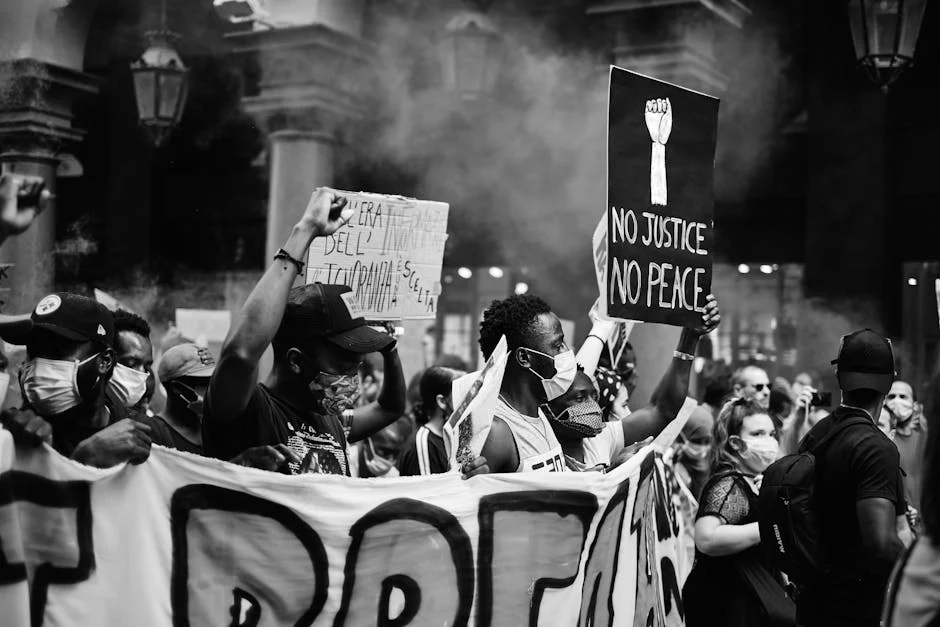
Public reaction to Meyer’s appointment has been mixed. While some praise his experience, others view it as a step backward. Social media has been a platform for heated debates, with many calling for greater transparency in the selection process. In a country still grappling with the legacy of apartheid, the appointment has become a flashpoint for broader discussions about justice, reconciliation, and national identity.
The South African government has not commented on the public reaction, but officials have reiterated that the decision was made with the country’s interests in mind. As Meyer prepares to take up his post in Washington, the focus will shift to how he navigates the complex geopolitical landscape. What remains clear is that his appointment has already sparked a national conversation about the past and the future of South Africa’s role on the global stage.
What to watch next: Meyer’s first official meeting with U.S. officials is scheduled for early June. Analysts will be closely monitoring how he addresses historical sensitivities while advancing South Africa’s diplomatic agenda. The outcome could shape the direction of South Africa’s foreign policy in the coming years.
See Also
- Portugal's Santos Pereira Warns Against Early Deficit Talk
- Nigeria Caps Digital Fraud Relief: What This Means for Victims and the Economy