Kashmiri pilgrims have begun their journey to Saudi Arabia for the 2026 Hajj, with 431 from the Valley departing this week. The annual pilgrimage, a cornerstone of Islamic faith, is expected to see 4,706 pilgrims from the region this year, marking a significant increase compared to previous years. The Saudi Ministry of Hajj and Umrah has announced preparations for a record number of global pilgrims, with over 2.5 million expected to participate in the 2026 season.
Global Pilgrimage and Regional Impact
The Hajj is not only a religious event but also a major economic and diplomatic opportunity for Saudi Arabia. The 2026 pilgrimage is set to be the largest in the kingdom’s history, with the government investing heavily in infrastructure, security, and hospitality. The Saudi Ministry of Hajj and Umrah has allocated $1.2 billion for this year’s preparations, including improvements to the Grand Mosque in Mecca and expanded accommodation for pilgrims.
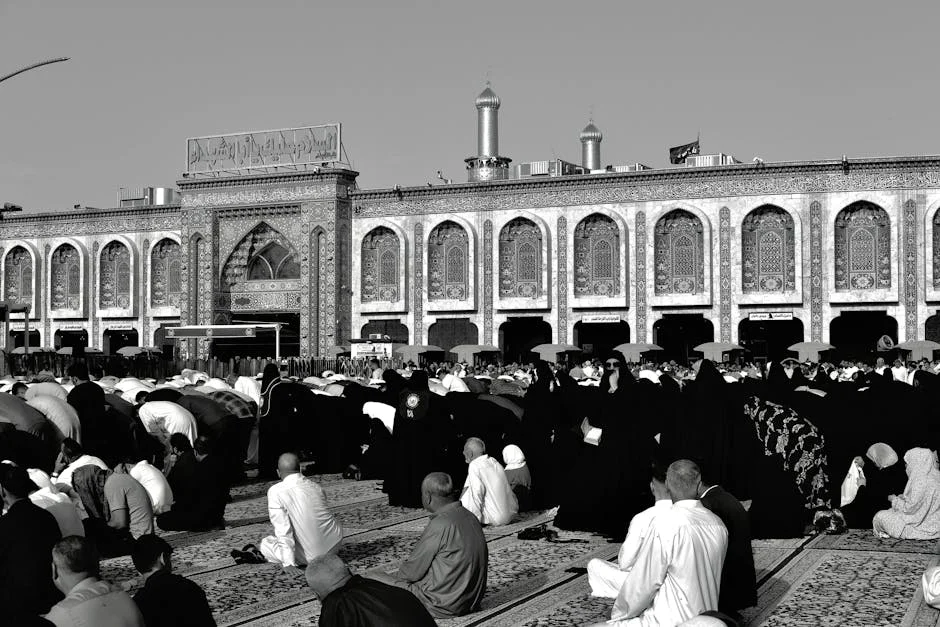
The event also has a ripple effect on the global Muslim community. For countries like Nigeria, where over 50 million Muslims reside, the Hajj represents a key cultural and spiritual milestone. Nigerian pilgrims, often among the largest contingents, face long waits and complex visa processes, with the Saudi government imposing new health and security protocols. The 2026 Hajj is expected to bring more attention to these challenges, as well as the broader relationship between Saudi Arabia and African nations.
How Saudi Arabia Shapes African Development
Saudi Arabia’s role in African development extends beyond the Hajj. The kingdom has become a major investor in African infrastructure, energy, and education. In 2023, the Saudi Arabian Investment Authority (SAIDA) pledged $15 billion to support African development projects, focusing on renewable energy, digital transformation, and youth employment. This aligns with the African Union’s Agenda 2063, which emphasizes economic integration and sustainable growth.
For Nigeria, Saudi Arabia is a key partner in both religious and economic spheres. The two nations have signed agreements on trade, education, and labor migration. However, challenges remain, including the high cost of pilgrimage visas and concerns over the treatment of Nigerian workers in Saudi Arabia. The 2026 Hajj could serve as a catalyst for renewed dialogue on these issues, especially as the African Union seeks to strengthen ties with Gulf nations.
Religious Unity and Continental Challenges
The Hajj underscores the unifying power of Islam across the African continent. For many, it is not just a religious duty but a symbol of resilience and identity. In regions like the Sahel, where extremist groups have disrupted communities, the pilgrimage offers a rare moment of peace and solidarity. However, the event also highlights the continent’s challenges, including limited access to pilgrimage visas, bureaucratic delays, and the high cost of travel.
As the 2026 Hajj approaches, African nations are looking to Saudi Arabia for more than just spiritual guidance. They seek stronger economic partnerships, better migration policies, and greater representation in global Islamic institutions. The kingdom’s growing influence in Africa, through initiatives like the Future Investment Initiative and the African Development Bank, signals a shift in power dynamics that could reshape the continent’s development trajectory.
Infrastructure and Health: Key Concerns
One of the main concerns for pilgrims, particularly from Africa, is the condition of Saudi Arabia’s infrastructure. Despite recent investments, reports indicate that some facilities, especially in Mecca and Medina, still struggle to accommodate the growing number of visitors. The Saudi government has announced plans to expand the Grand Mosque by 30%, but implementation remains a challenge.
Health and safety are also top priorities. The 2026 Hajj will see stricter health protocols, including mandatory vaccination requirements and enhanced medical services. For African pilgrims, these measures could add to the complexity of an already difficult process. The Nigerian Ministry of Foreign Affairs has warned pilgrims to prepare for longer processing times and additional documentation.
What to Watch Next
As the 2026 Hajj approaches, the focus will be on how Saudi Arabia manages the influx of pilgrims and how African nations navigate the challenges of participation. The Nigerian government is expected to announce new visa policies in the coming months, while the African Union will likely push for greater transparency in Saudi-African partnerships. For the millions of Muslims in Africa, the Hajj remains not just a religious duty, but a symbol of hope and unity in the face of ongoing development challenges.
Infrastructure and Health: Key Concerns One of the main concerns for pilgrims, particularly from Africa, is the condition of Saudi Arabia’s infrastructure. However, the event also highlights the continent’s challenges, including limited access to pilgrimage visas, bureaucratic delays, and the high cost of travel.