Every morning, nurses at the Mangina Ebola treatment centre pull on three layers of protective gear before stepping into the high-risk zone. The temperature inside can reach 40 degrees Celsius. They stay for up to four hours. Then they peel off suits soaked in sweat, disinfect, and prepare to do it again.
The daily reality of Ebola treatment in North Kivu
Since the latest outbreak was declared in the eastern DRC province of North Kivu, health workers have faced a brutal combination: a deadly virus and some of the most difficult working conditions on the continent. The region has been plagued by armed conflict for decades, making it nearly impossible for aid groups to reach remote villages where cases are emerging.
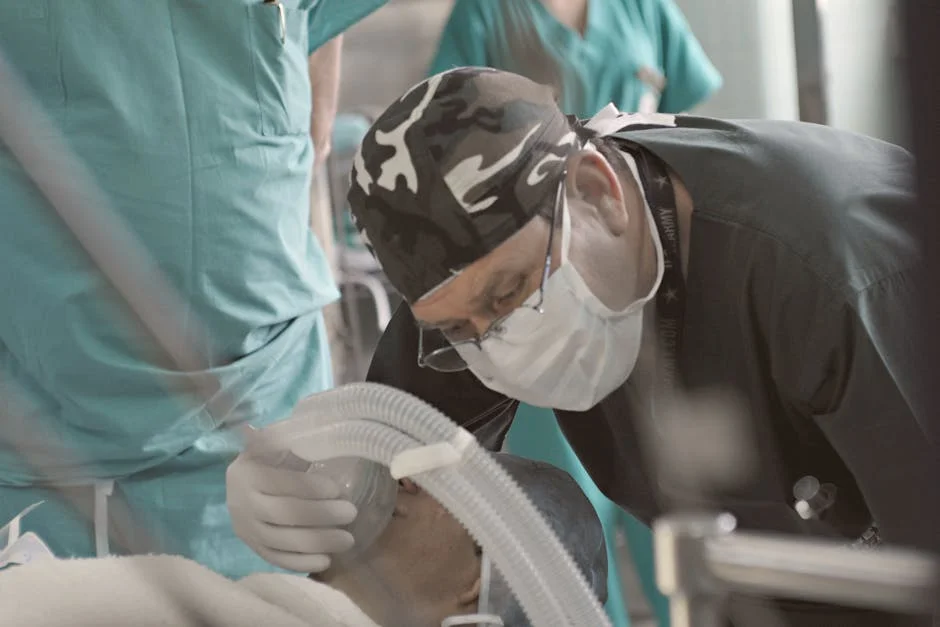
Dr. Michel Kalongo, who leads the medical response team in Beni, described the pressure his staff face. "We are treating patients while knowing that any mistake with our protective equipment could cost us our lives," he told reporters last month. The treatment centre he manages has admitted more than 200 confirmed cases since October.
How health workers protect themselves while saving patients
The protocol at most DRC treatment centres follows World Health Organisation guidelines. Workers wear impermeable coveralls, N95 masks, double gloves, face shields, and rubber boots. They follow a buddy system, checking each other's gear before entering any patient area. Step-by-step undressing procedures are enforced to prevent contamination.
Vaccination as a first line of defence
Health workers received the rVSV-ZEBOV Ebola vaccine as part of a ring vaccination strategy. The approach targets contacts of confirmed cases and their contacts, creating a buffer of immune individuals around each patient. By the end of January, more than 1,100 frontline workers in North Kivu had been vaccinated, according to the health ministry.
Despite these precautions, two nurses at a treatment centre in Butembo contracted the virus last November. Both survived after receiving experimental treatments. Their cases prompted a review of infection control procedures and additional training sessions for all staff.
The physical and mental toll on Congo's Ebola responders
Fatigue is a constant enemy. Staff work shifts of eight to twelve hours in full protective equipment. Dehydration is common. Several nurses have fainted inside the high-risk zone. Mental health support is limited. Many workers have not seen their families in weeks, afraid of carrying the virus home to spouses and children.
"You cannot hug your own children when you return from work," said Nurse Amina Kambere, who has been treating patients in Mangina since the outbreak began. "We keep our distance. We sleep in separate rooms. It is the only way to stay safe, but it weighs on you."
Community resistance complicates the response
Health workers face dangers beyond infection. Some communities in North Kivu have responded with hostility to the arrival of Ebola response teams. Misinformation spreads faster than facts in areas where trust in government is nearly nonexistent after years of conflict and neglect. A Red Cross volunteer was attacked and seriously injured in the village of Lutcha in December.
The WHO has called for increased community engagement to overcome resistance. Local leaders are being trained as health promoters. Religious figures are being briefed so they can counter false rumours circulating on social media and through word of mouth.
What comes next for Congo's health system
The current outbreak has now spread to the neighbouring province of Ituri. Case counts have surpassed 600, with 368 confirmed deaths. The DRC government has committed additional funding to the response, but long-term investment in the country's fragmented health system remains the deeper challenge.
International donors have pledged support, yet the capacity to contain Ebola depends ultimately on the health workers who show up every day. The WHO has identified at least 16 treatment units operating across the two provinces, staffed by a mix of national nurses and international volunteers.
Why this matters beyond Congo's borders
For African development planners, the DRC Ebola outbreak is a reminder that health security cannot be treated as separate from broader infrastructure goals. Weak roads, inconsistent electricity, and a shortage of trained clinicians mean that when a crisis strikes, the response is always fighting against geography and capacity limits.
Nigeria, which managed its own Ebola outbreak in 2014 with far fewer deaths than predicted, has offered to share expertise with DRC responders. The Nigeria Centre for Disease Control has sent a team of epidemiologists to assist with contact tracing in Beni. Regional cooperation on health emergencies is increasingly being built into African Union frameworks, though funding gaps persist.
Watch for the next WHO situation report, expected within two weeks, which will detail whether new cases are trending downward or if the outbreak has spread further into Ituri. Any confirmation of transmission into Uganda or Rwanda would trigger emergency protocols under the East African Community health coordination mechanism.
See Also
- India Postpones Summit Over Ebola Scare
- Sofii Lewis Shares Mental Health Journey in Nigeria's Maternal Care Crisis
Regional cooperation on health emergencies is increasingly being built into African Union frameworks, though funding gaps persist.Watch for the next WHO situation report, expected within two weeks, which will detail whether new cases are trending downward or if the outbreak has spread further into Ituri. Weak roads, inconsistent electricity, and a shortage of trained clinicians mean that when a crisis strikes, the response is always fighting against geography and capacity limits.Nigeria, which managed its own Ebola outbreak in 2014 with far fewer deaths than predicted, has offered to share expertise with DRC responders.