The U.S. State Department has confirmed new strategies to combat the ongoing Ebola outbreak in the Democratic Republic of the Congo (DRC), as the number of reported cases has reached 150 as of May 29, 2026. This timely response highlights the critical need for international collaboration to address health emergencies in Africa.
Understanding the Current Ebola Situation in DRC
Health authorities in the DRC reported the latest epidemic in the eastern province of North Kivu, where the outbreak first occurred. The World Health Organization (WHO) has been closely monitoring the situation, providing vital support in terms of resources and expertise. In response to the rising health crisis, the State Department has pledged $5 million in additional funding to assist with containment and treatment efforts.
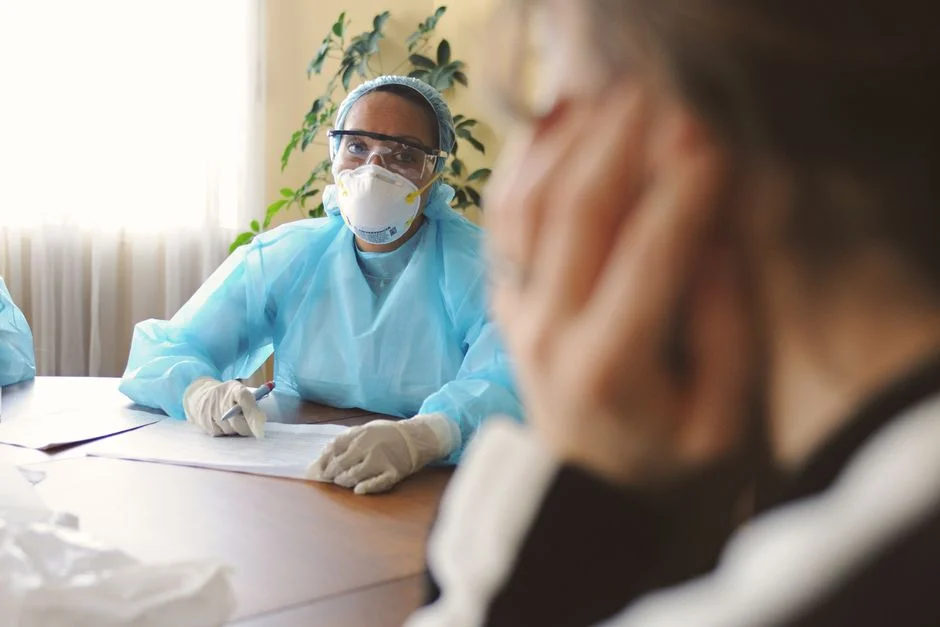
Local health facilities are overwhelmed, and the community is facing anxiety over the spread of the virus. In a recent statement, Dr. Jean-Pierre Kambale, Director of the DRC's Health Ministry, urged residents to maintain preventive measures while the government works with international partners to contain the outbreak.
International Response and Collaboration
The United States has long been a key player in global health initiatives, particularly during health crises. The State Department's involvement in the DRC underscores its commitment to African development goals, especially in the area of health security. By providing financial resources, the U.S. is helping to enhance local capacities for disease detection and response.
This outbreak is not isolated; it is part of a larger pattern of infectious diseases that threaten public health across Africa. The collaborative response involving the U.S., WHO, and local governments is crucial in building resilience against such health challenges.
Challenges in Containing the Ebola Outbreak
Despite the efforts, several obstacles hinder effective containment of the Ebola virus in the DRC. Limited healthcare infrastructure, lack of access to remote areas, and misinformation about the disease's transmission hinder response efforts. According to a recent report by Médecins Sans Frontières, approximately 40% of the population in affected areas remains uninformed about preventive measures.
Moreover, logistical issues complicate the distribution of vaccines and medical supplies to remote health centres. Ensuring that these resources reach those in need is vital for preventing further spread of the virus.
Opportunities for Strengthening Health Systems
This crisis presents an opportunity for the DRC and its partners to strengthen national health systems. By investing in healthcare infrastructure and education, the DRC can better prepare for future outbreaks. The State Department's financial support can catalyse projects that focus on sustainable healthcare delivery.
Public health initiatives must also include community engagement to raise awareness and prevent misinformation. Empowering local leaders to convey accurate information can significantly reduce the spread of such diseases.
Lessons from Previous Ebola Outbreaks
Reflecting on past experiences, the Ebola outbreaks of 2014–2016 in West Africa provide critical lessons for the current situation. The international community learned that swift action, transparency, and collaboration can significantly mitigate the effects of an outbreak. The State Department's proactive measures showcase this approach and highlight the need for continued vigilance.
Establishing robust surveillance systems and training local health workers will be essential in combating not just Ebola but also future health emergencies. The U.S. commitment to investing in local capacities is crucial for long-term development goals in the region.
Looking Ahead: What Comes Next?
As the DRC grapples with the Ebola outbreak, the focus must remain on immediate action and future preparedness. The State Department has scheduled a meeting next month with health officials and international partners to assess the ongoing response and adapt strategies as necessary.
Stakeholders should keep a close watch on the situation, particularly the effectiveness of vaccination campaigns and treatment efforts. Increasing public awareness and fostering cooperation among nations will be key steps in achieving better outcomes for health security in Africa.
See Also
- Nigeria's Lassa Fever Deaths Surge to 204 — Fatality Rate Hits Alarming New Level
- Congo’s Delayed Ebola Alert Exposes Africa’s Health Vulnerabilities
What is the latest news about us state department announces new ebola measures amid outbreak in drc?
Why does this matter for health-medicine?
What are the key facts about us state department announces new ebola measures amid outbreak in drc?