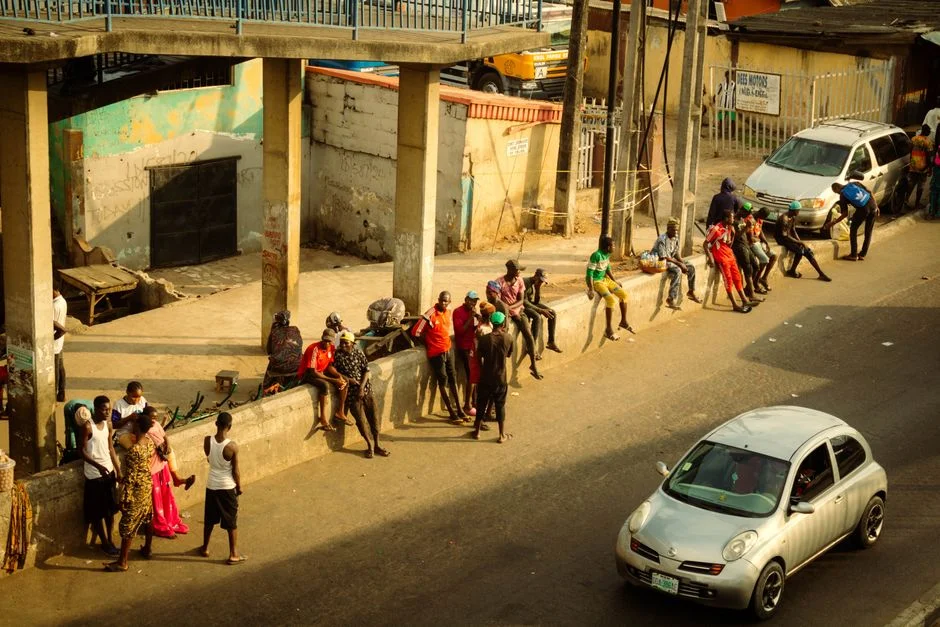
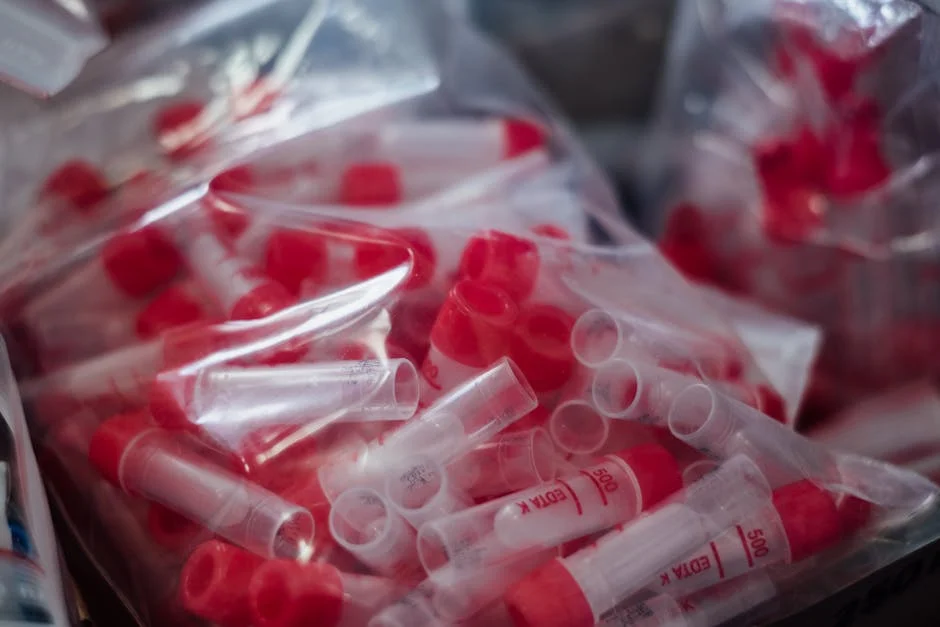
The Democratic Republic of Congo (DRC) faces a renewed Ebola threat as UNICEF, the World Health Organization (WHO), and the European Union (EU) rush aid to the affected regions. The outbreak was officially declared on October 27, 2023, in the northeastern province of Ituri, where initial reports confirmed at least four cases and two fatalities.
Immediate Response to the Outbreak
In response to the outbreak, UNICEF has mobilised resources to supply vaccines and medical equipment. The WHO confirmed that they are deploying a rapid response team to the affected areas, aiming to establish vaccination centres within the next two weeks. This swift action highlights the urgency of curbing the virus's spread and preventing a larger health crisis.
The immediate priority is to vaccinate healthcare workers and other high-risk individuals. The DRC has previously battled Ebola outbreaks, with the most devastating wave in 2020 resulting in over 2,000 infections. The current strategy focuses on containment and rapid deployment of medical resources.
Historical Context of Ebola in the DRC
The DRC has historically struggled with Ebola, with more than a dozen outbreaks recorded since the virus was identified in 1976. The country’s health infrastructure remains vulnerable, and each outbreak puts enormous strain on the medical system.
In the past, the global community's response has been inadequate, often leading to extended outbreaks and significant loss of life. This situation raises concerns about preparedness and the effectiveness of international assistance in the DRC. The current outbreak poses not only health risks but also economic challenges for a nation already grappling with poverty and instability.
Impact on Regional Health Security
The resurgence of Ebola in the DRC could have wider implications for regional health security. Countries bordering the DRC, including Uganda and Rwanda, are on high alert. The World Health Organization has called for enhanced surveillance and preparedness measures in these nations to prevent cross-border transmission.
Given the DRC’s historical context, the international community is keen to avoid a repeat of past crises where delays in response have resulted in significant health crises. The focus is on ensuring that lessons are learned from previous outbreaks to improve the efficacy of responses.
Challenges in Containment Efforts
One of the key challenges is the DRC's infrastructure, which is often underfunded and ill-equipped to handle health emergencies. Remote areas, where cases are reported, can be difficult to access, making it hard for medical teams to reach those in need.
Furthermore, misinformation and mistrust in healthcare systems in the community pose additional hurdles. Local leaders and health advocates are crucial in addressing these issues, encouraging vaccination, and ensuring compliance with health guidelines.
Opportunities for Improved Health Governance
The ongoing Ebola outbreak offers an opportunity for the DRC to strengthen its health governance and infrastructure. International collaborations, such as those led by the EU and WHO, can provide critical funding and resources to improve healthcare delivery systems.
As discussions continue around health funding in Africa, the DRC’s response will be a test case for how effectively international partnerships can improve disease management and preparedness. Developing a robust healthcare system in the DRC can serve as a model for other African nations facing similar challenges.
Looking Ahead: What’s Next for the DRC?
The next steps involve immediate vaccination efforts and an assessment of the outbreak's trajectory. Local health authorities are expected to announce further measures as more data becomes available.
Stakeholders will be monitoring the outbreak closely, with a heightened emphasis on regional cooperation and health infrastructure investment. As the DRC battles this latest health crisis, the resilience and responsiveness of the healthcare system will be under scrutiny, not just for the nation but for its implications across the continent.
See Also
- Kenya Hails Sawe’s Return — What It Means for African Sports
- Congo Emergency Declared as Ebola Cases Surge – Hospitals Overwhelmed
What is the latest news about unicef and who launch urgent aid to congo amid ebola resurgence?
Why does this matter for health-medicine?
What are the key facts about unicef and who launch urgent aid to congo amid ebola resurgence?