Aid organisations fighting Ebola in the Democratic Republic of Congo face a severe cash shortfall after Germany announced cuts to its funding commitments. The reduction leaves health workers on the ground without critical supplies and threatens to unravel years of progress against the deadly virus. Officials warn that vulnerable communities in North Kivu province, where the outbreak remains active, will bear the heaviest cost.
Berlin Tightens Aid Budget
Germany has reduced its contribution to the Ebola response by a significant margin, according to statements from the German Federal Ministry for Economic Cooperation and Development. The decision forms part of broader cuts to global health programmes as Berlin reorders its development spending priorities. Officials cited shifting national interests and competing domestic demands as factors behind the realignment.
The move comes at a dangerous moment. Congo's Ministry of Health has recorded new infections in recent weeks, suggesting the outbreak has not been fully contained despite previous intervention. International health workers now confront the prospect of scaling back operations precisely when vigilance matters most. The ministry has called on remaining donors to fill the gap, though the response from other governments remains uncertain.
On the Ground in North Kivu
Health workers operating in North Kivu describe a deteriorating situation. Treatment centres in Beni and Mangina, towns that saw some of the worst fighting during the 2018-2020 outbreak, face shortages of protective equipment and staff. Community engagement teams, essential for tracing contacts and building trust, have been forced to reduce their coverage area.
The International Federation of Red Cross and Red Crescent Societies confirmed it has suspended several community outreach programmes pending funding confirmation. A spokesperson told reporters the organisation cannot maintain operations without guaranteed financial backing. Local leaders in North Kivu expressed alarm at the prospect of reduced international presence at a time when Ebola surveillance remains incomplete.
Why the Timing Could Not Be Worse
The outbreak first emerged in the eastern DRC in 2018, eventually growing into the world's second-largest Ebola epidemic. More than 2,000 people died before the crisis was declared over in June 2020. A subsequent flare-up in the same region killed another 12 people. Health authorities have long warned that residual virus in survivor populations means the threat of resurgence never fully disappeared.
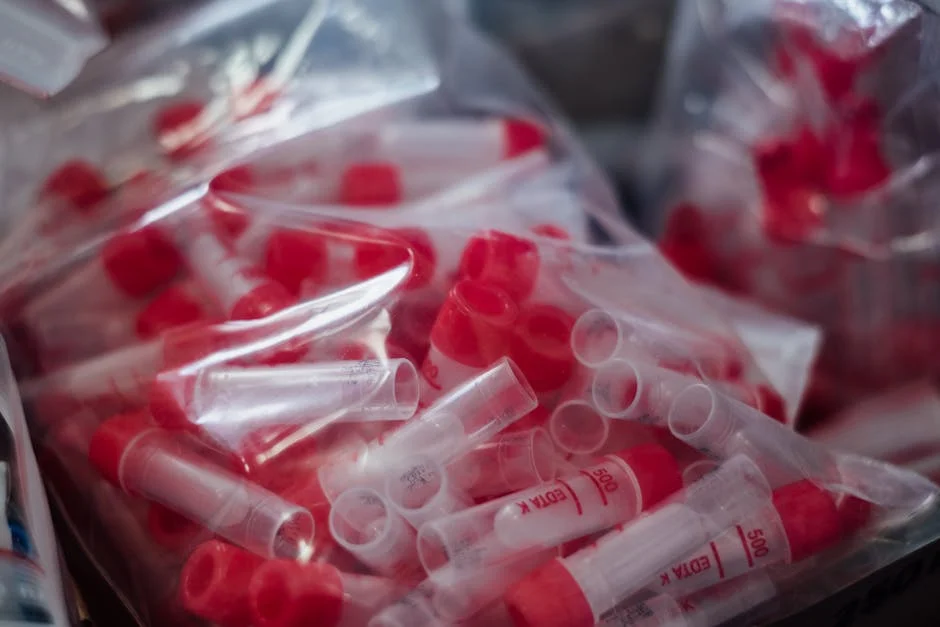
Now, with aid flows tightening, the infrastructure needed to detect and respond to new cases has weakened. Vaccination campaigns that once reached hundreds of thousands of people have slowed to a fraction of their earlier pace. Laboratories processing samples from suspected cases face delays because of fuel shortages and transport disruptions.
The Broader Development Cost
Congo's health system has long struggled with underfunding, limited infrastructure, and conflict. The country ranks among the lowest globally on health outcome indicators. Ebola outbreaks do not merely kill directly; they disrupt routine healthcare, driving up mortality from malaria, measles, and maternal complications. When international attention and resources focus on a single epidemic, other health needs often suffer.
Development specialists argue that aid cuts during active outbreaks create a false economy. Containing a disease early costs a fraction of what a full-scale epidemic requires. Yet donor fatigue, competing crises in Ukraine, Gaza, and elsewhere, and shifting political priorities have redirected attention away from Congo's health emergencies.
Donor Landscape Shifts
Germany is not alone in reassessing its commitments. Several European donors have scaled back global health spending over the past two years, citing budget pressures and a desire to prioritise domestic needs. The United States, historically the largest single funder of Congo's Ebola response, continues to provide support through the United States Agency for International Development, though at reduced levels compared to the peak response years.
The World Health Organization relies heavily on voluntary contributions from member states to fund emergency operations. A senior WHO official told reporters the organisation faces an unprecedented funding gap across all its active outbreak responses. The agency has appealed to governments to honour existing pledges before conditions deteriorate further.
What Lies Ahead
Congo's national health authorities have not yet declared a new outbreak, but surveillance data reviewed by international partners shows cause for concern. New clusters have appeared in areas that had been clear for months. Without rapid deployment of response teams, experts fear the window for preventing a larger crisis will close.
The African Union's health desk has called an emergency meeting for representatives from member states and development partners to discuss coordinated action. The session, scheduled for next month in Addis Ababa, will address both the immediate Ebola funding shortfall and longer-term strategies for financing health security across the continent. Officials say the meeting will determine whether Congo receives emergency support before the situation becomes unmanageable.
See Also
- Nigeria's Youth Challenge George Orwell's 'Animal Farm' — A Cultural Reckoning
- Sharma Law Firm Expands Pedestrian Accident Support in Lagos
What is the latest news about germany cuts ebola funding congos outbreak response collapses?
Why does this matter for health-medicine?
What are the key facts about germany cuts ebola funding congos outbreak response collapses?