The Democratic Republic of Congo has confirmed a new Ebola outbreak driven by the rare Bombali virus species, complicating regional health security in a region already strained by prolonged armed conflict. Health authorities in North Kivu province are racing to contain the spread, but logistical barriers and insecurity in the eastern territories are slowing response teams and delaying critical vaccine deployments. This situation marks a significant deviation from previous outbreaks, which were dominated by the more familiar Zaire ebolavirus, and introduces new uncertainties for cross-border trade and travel across Central Africa.
Conflict Zones Complicate Rapid Response Efforts
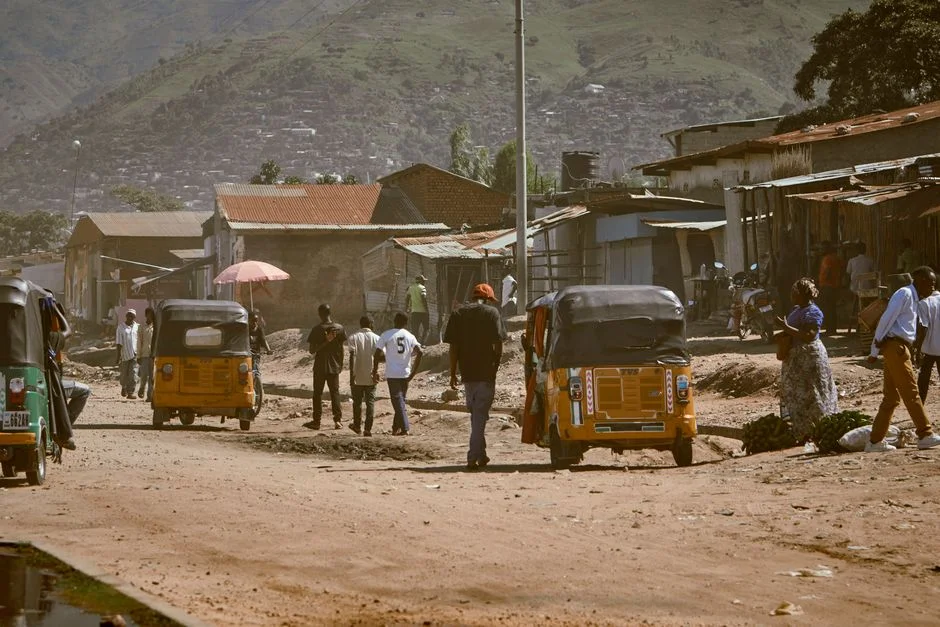
Health officials in the Democratic Republic of Congo announced the detection of the Ebola virus disease cases in late September, identifying the pathogen as the Bombali species, a variant first discovered in bats in Guinea. The confirmation comes after rapid diagnostic testing confirmed positive results from patients in the Masisi territory, an area that has witnessed ongoing clashes between various armed groups. The presence of these groups creates a precarious environment for health workers, who must navigate checkpoints and sudden violence to reach isolated villages. Unlike previous outbreaks where the primary challenge was vaccine logistics, this outbreak faces a dual threat: the biological unknown of a rare species and the physical disruption caused by warfare.
The Bombali virus presents a unique challenge because it has not yet caused a large-scale human epidemic. Previous outbreaks in the region were caused by the Zaire ebolavirus, which had established vaccine protocols and treatment guidelines. The World Health Organization and local health ministries are now working to understand the transmission dynamics of this new strain. Early reports suggest that the virus behaves similarly to other Ebola species, but the lack of historical data means that containment strategies must be adapted in real time. Health workers are implementing standard contact tracing and isolation protocols, but the effectiveness of these measures depends heavily on the ability to move freely in the affected territories.
Security remains the primary bottleneck for the response. Armed groups in North Kivu have frequently attacked health facilities and abducted aid workers, disrupting vaccination campaigns and the delivery of medical supplies. The conflict has displaced millions of people, creating dense refugee settlements that are difficult to monitor. These settlements often lack clean water and sanitation infrastructure, which can accelerate the spread of infectious diseases. The combination of displacement and conflict means that the virus can spread silently through communities that are already vulnerable to food insecurity and other health crises. Health authorities are struggling to maintain a consistent presence in these areas, leading to gaps in surveillance that the virus can exploit.
The regional implications are immediate and tangible. The Democratic Republic of Congo shares a porous border with Rwanda, Uganda, and South Sudan, regions that have their own security challenges. A breakdown in health security in eastern Congo can quickly spill over into neighboring countries, especially if infected individuals cross borders to seek work or family support. The recent history of Ebola outbreaks shows that border closures and travel restrictions can have severe economic consequences, disrupting trade routes and supply chains. The current situation is being monitored closely by regional bodies like the Economic Community of Central African States, which is coordinating with the African Union to ensure a unified response.
Understanding the Bombali Strain and Regional Risks
To understand why this outbreak is generating such concern, it is necessary to look at the specific characteristics of the Bombali virus. First identified in 2018 in a fruit bat in Guinea, this species had only been linked to a few human cases in Sierra Leone and Guinea before this current outbreak. The virus is closely related to the Zaire and Sudan ebolaviruses, but its pathogenicity in humans is not yet fully understood. Early clinical reports indicate that symptoms are similar to other Ebola diseases, including fever, fatigue, muscle pain, and vomiting. However, the lack of a widely available vaccine specifically approved for Bombali means that health workers are relying on experimental treatments and supportive care.
The economic impact of this health crisis is already being felt in the region. Trade in the eastern provinces, which relies heavily on cross-border commerce, is slowing down as transport routes become less reliable. The cost of moving goods is increasing due to the need for security escorts and the risk of looting. Local markets are seeing price fluctuations for essential goods, which affects the purchasing power of households that are already struggling with inflation. The disruption in trade is not just a local issue; it affects the broader Central African economy, which is interconnected through complex supply chains for minerals, agricultural products, and manufactured goods.
The political dimension of the outbreak adds another layer of complexity. The central government in Kinshasa has faced criticism for its handling of previous health crises, and there is a growing demand for greater transparency and accountability. The conflict in the east is often described as a proxy war involving regional powers, and the health crisis is being viewed through this political lens. Opposition groups are using the health response as a platform to criticize the government's inability to provide basic services, while the ruling party is highlighting the international support received for the response. This political maneuvering can sometimes delay decision-making and resource allocation, as different factions vie for control over aid distribution.
Regional health institutions are playing a crucial role in addressing these challenges. The African Centers for Disease Control and Prevention has been instrumental in coordinating the response, providing technical expertise and mobilizing resources from international partners. The African Union is also involved, leveraging its political influence to negotiate humanitarian corridors for aid workers. These institutions are working to ensure that the response is not just a series of disjointed interventions but a cohesive strategy that addresses both the health and security dimensions of the crisis. The involvement of regional bodies is a sign of the growing capacity of African institutions to manage complex health emergencies without relying solely on Western donors.
What This Means for Regional Stability and Nigeria
For Nigeria, the situation in the Democratic Republic of Congo is a reminder of the interconnectedness of African health security. Nigeria has experienced its own challenges with infectious diseases, from Lassa fever to cholera, and has developed robust surveillance systems that could be relevant in this context. The Ebola virus does not discriminate across borders, and a major outbreak in the east could have ripple effects on trade and travel to West Africa. The port of Matadi, a key entry point for goods into the DRC, is a critical node in the regional supply chain, and any disruption there can affect prices and availability of goods in neighboring countries.
The economic stakes are high. Nigeria is a major trading partner for the DRC, particularly in the agricultural and manufacturing sectors. A prolonged health crisis in the east could lead to a decrease in demand for Nigerian goods, as local consumers in the DRC have less purchasing power. Additionally, the cost of insurance and logistics for companies operating in the region is likely to increase, which could lead to higher prices for consumers. The Nigerian government is monitoring the situation closely, as any spread of the virus to neighboring countries like Cameroon could trigger similar disruptions in the West African region.
The human cost of the outbreak is also significant. Thousands of people have been affected, and the death toll is expected to rise as more cases are confirmed. The psychological impact on communities that have experienced multiple outbreaks is profound, leading to fatigue and a reluctance to cooperate with health workers. This "epidemic fatigue" is a major challenge for containment efforts, as people may hide symptoms or avoid seeking treatment. Health authorities are working to rebuild trust with communities, using local leaders and religious figures to disseminate accurate information and reduce stigma.
Looking ahead, the coming weeks will be critical in determining the trajectory of this outbreak. The success of the response will depend on the ability of health authorities to secure the affected areas, deploy vaccines, and maintain communication with local communities. The international community is expected to increase its support, providing funding and technical assistance to bolster the local response. However, the long-term solution will require addressing the root causes of the conflict, which continue to drive the vulnerability of the population. Without a political settlement, health crises will remain a recurring feature of life in eastern Congo.
See Also
- Nigeria Beats Zimbabwe 2-0 to Seal Unity Cup Final Spot
- Sentech Reveals Why Digital Access Alone Fails Africa’s Tech Economy
What is the latest news about drc ebola outbreak defies containment as conflict blocks aid?
Why does this matter for health-medicine?
What are the key facts about drc ebola outbreak defies containment as conflict blocks aid?