Nigeria is bracing for a challenging period as President Bola Tinubu confirmed on Friday that the nation is undergoing a historic test regarding its economic structure and governance. With inflation soaring to an alarming 24% as of September 2023, the president's remarks reflected the urgent need for stability and strategic reforms.
Inflation Crisis Threatens Economic Stability
The inflation rate in Nigeria has reached its highest level in over two years, significantly impacting the cost of living for millions of citizens. A recent report by the National Bureau of Statistics revealed that food prices have surged by 30% in just the last six months, pushing many families into deeper poverty. Tinubu's administration has to confront these realities head-on, as discontent among the populace grows.
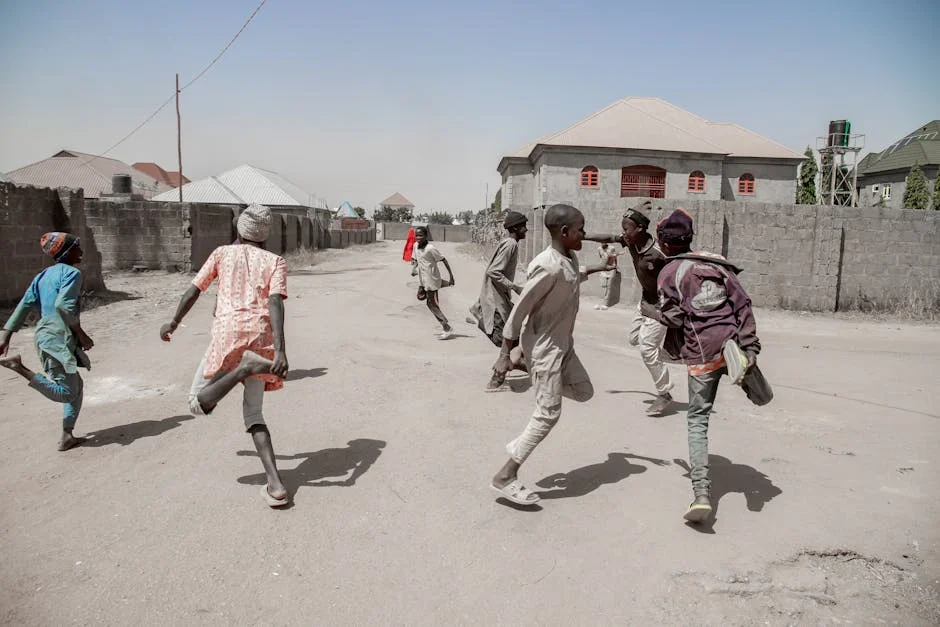
As Nigeria grapples with these economic challenges, the government faces the dual pressures of uplifting its citizens while also aligning with broader African development goals. The economic difficulties not only threaten the local populace but might also hinder Nigeria's ability to meet its Sustainable Development Goals (SDGs) commitments.
Educational and Health Sector Challenges
With education and health heavily reliant on government funding, the inflation crisis complicates the government's ability to allocate resources effectively. Schools face increased operational costs, while healthcare facilities are struggling with shortages of essential medicines and supplies. A report from UNICEF indicates that about 10 million children in Nigeria are out of school, a situation that could worsen if economic conditions do not improve.
Tinubu's administration recently announced plans to reform the education sector, but critics argue that without immediate funding and infrastructure support, long-term benefits will remain elusive. The government has to balance between addressing urgent health crises and investing in sustainable educational infrastructure.
Governance Reforms and Economic Growth
As Nigeria seeks to navigate these turbulent waters, the role of governance becomes increasingly paramount. Tinubu has called for comprehensive reforms to tackle corruption and enhance transparency within public systems. By rallying support from international partners, the administration aims to bring in investments that could stimulate economic growth.
However, critics warn that without strong political will and accountability, these reforms may falter. A lack of public trust in government institutions poses a significant barrier to successful implementation. Nigeria's political landscape has often been marred by corruption, and restoring faith could prove as challenging as economic recovery.
Regional Dynamics and Opportunities
Nigeria's struggles are set against a backdrop of regional challenges. The Economic Community of West African States (ECOWAS) is facing its own set of issues, with security crises impacting trade. As a significant player in the region, Nigeria’s economic stability is crucial for the broader West African economy. In recent discussions, Tinubu highlighted the need for collaborative efforts to address security threats and economic hardships across the region.
Opportunities exist for partnerships with other African nations to share resources and strategies for mitigating these economic challenges. By fostering relationships within the continent, Nigeria could leverage shared experiences and solutions to bolster its recovery.
What Lies Ahead?
The path forward for Nigeria will require concerted efforts across all sectors. With key elections approaching in 2024, political stability and public support for Tinubu's government will be critical. Stakeholders are watching closely as the administration outlines its plans in the coming months.
In the short term, Tinubu's government is under pressure to implement immediate measures to address the inflation crisis and invigorate public services. With the eyes of the nation and the continent upon it, Nigeria’s response will not only shape its future but could also set a precedent for other African nations facing similar tests.
See Also
- Rwanda Forces Congo Rebel Exodus — Goma Faces New Crisis
- British Holidaymakers Stuck in Iran Face Sky-High Hotel Bills
With key elections approaching in 2024, political stability and public support for Tinubu's government will be critical. A lack of public trust in government institutions poses a significant barrier to successful implementation.