Gunfire has erupted in the heart of the Democratic Republic of Congo, shattering the fragile calm in the eastern province of North Kivu. Rwandan forces have launched a decisive military push against M23 rebels, forcing a rapid exodus that has left the lakeside city of Goma in a state of shock and uncertainty. This escalation threatens to derail regional economic integration and undo years of infrastructure investment across the continent.
Military Escalation in North Kivu
The conflict has intensified dramatically in recent weeks, with Rwandan troops advancing deep into Congolese territory. Local residents in Goma report hearing artillery fire for the first time in months, signaling a new phase in the decades-long struggle for control over the mineral-rich region. The speed of the advance has caught many regional observers off guard, highlighting the volatility of the security situation in the Great Lakes region.
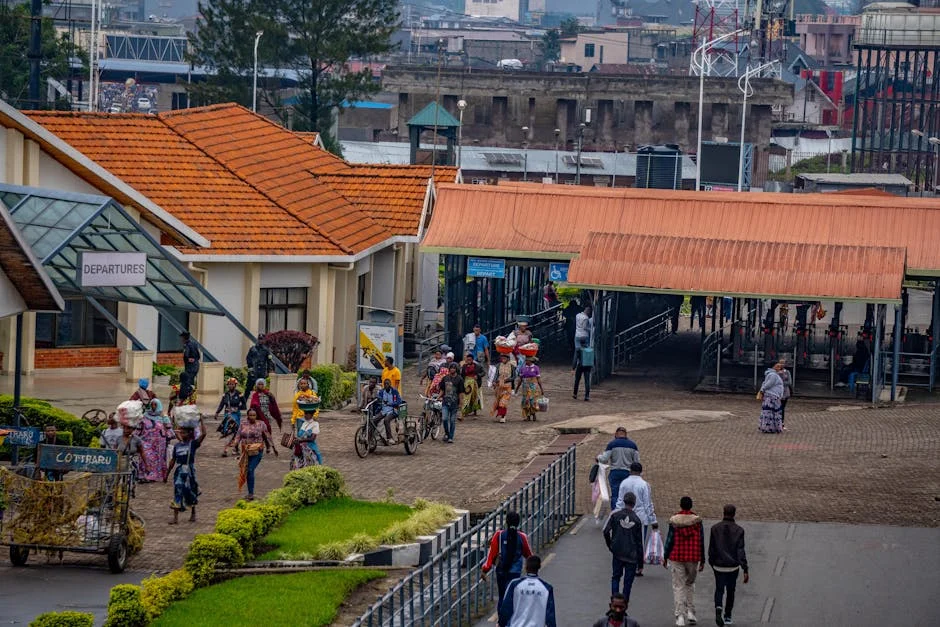
Witnesses describe scenes of chaos as families flee their homes to escape the crossfire. One resident, speaking from a makeshift shelter in the city center, recounted the terrifying moment a neighbor was struck by shrapnel. These personal tragedies underscore the human cost of the geopolitical maneuvering between Kigali and Kinshasa, where strategic interests often outweigh civilian safety.
The military operations are not just about territorial control but also about securing vital supply routes. The Goma-Kitgum road, a critical artery for trade and humanitarian aid, has become a contested frontline. Disruptions to this route could lead to severe shortages of essential goods, driving up prices for food and fuel across the eastern provinces.
Humanitarian Crisis in Goma
The city of Goma, home to over 2 million people, is facing a renewed humanitarian emergency. Displaced persons are flooding into already overcrowded camps, straining the resources of international aid organizations. The United Nations Office for the Coordination of Humanitarian Affairs (OCHA) has warned that the situation could deteriorate rapidly if a ceasefire is not reached soon.
Healthcare and Education Under Pressure
Local hospitals are struggling to cope with the influx of wounded patients and refugees. Medical supplies are running low, and the power supply remains erratic, complicating surgical procedures and the preservation of vaccines. Schools have begun to close as parents pull their children out of classrooms to join the exodus, threatening the educational progress of an entire generation.
The psychological toll on the population is immense. Many residents, who had begun to rebuild their lives after previous waves of displacement, now face the fear that their progress is fragile and temporary. This sense of uncertainty hampers local economic activity, as businesses hesitate to invest in a region where security can change overnight.
Economic Implications for the Region
The conflict has immediate economic consequences for both the DRC and Rwanda. The DRC is one of Africa's largest producers of cobalt and copper, metals that are essential for the global green energy transition. Disruptions in mining operations due to the war could affect global supply chains, leading to price volatility in international markets.
Rwanda, which relies heavily on trade routes passing through the DRC, also faces economic headwinds. The closure of borders and checkpoints increases the cost of doing business, reducing the competitiveness of Rwandan exports. This tension highlights the interconnectedness of the East African Community, where political stability in one nation directly impacts economic growth in its neighbors.
Investors are growing increasingly cautious about the region. Foreign direct investment, which has been a key driver of development in Central and East Africa, may slow down as companies reassess the risk profile of the area. This could set back efforts to diversify the economies of both countries, keeping them dependent on primary commodity exports.
Diplomatic Efforts and Regional Response
The African Union and the Economic Community of Central African States (ECCAS) have called for urgent diplomatic talks to de-escalate the tension. Regional leaders recognize that a prolonged conflict in the DRC could spill over into neighboring countries, creating a broader continental crisis. South Africa, which currently leads the Southern African Development Community (SADC) mission in the DRC, has urged for a coordinated diplomatic approach.
Rwanda and the DRC have engaged in intermittent peace talks, but progress has been slow. Both sides have made concessions, but fundamental disagreements remain over security arrangements and the status of refugees. The lack of a comprehensive political solution means that the military standoff could continue for months, further draining the resources of both nations.
International partners, including the United States and the European Union, have increased their diplomatic engagement. They are leveraging aid and trade agreements to encourage both parties to return to the negotiating table. However, without a strong commitment from Kigali and Kinshasa, these external pressures may have limited impact on the ground.
Impact on African Development Goals
The conflict in the DRC poses a significant challenge to the African Union's Agenda 2063, which aims for an integrated, peaceful, and prosperous Africa. The war undermines key development goals, including poverty reduction, economic growth, and good governance. It also highlights the need for stronger regional institutions capable of managing conflicts before they spiral out of control.
Infrastructure development, a cornerstone of African economic integration, is being held back by the insecurity in the region. The African Development Bank has identified the Eastern DRC as a critical corridor for connecting Central and East Africa, but the war threatens to delay key projects. This delays the realization of the continent's potential for intra-African trade and industrialization.
Education and health, two of the most critical sectors for human capital development, are also suffering. The displacement of millions of people disrupts school attendance and healthcare access, leading to long-term setbacks in human development indices. This regression affects not just the immediate region but the broader African continent, which is striving to harness its youthful demographic dividend.
Global Repercussions and Supply Chains
The DRC's role in the global economy is becoming increasingly important, particularly in the context of the green energy transition. The country supplies approximately 70% of the world's cobalt, a key component in lithium-ion batteries used in electric vehicles. Any prolonged disruption in production could lead to higher costs for electric cars and energy storage systems globally.
European and Asian manufacturers are already beginning to diversify their supply chains to mitigate the risk. However, finding a suitable alternative to Congolese cobalt is challenging and time-consuming. This situation underscores the strategic importance of African resources and the need for stable political environments to secure global economic stability.
The conflict also draws attention to the governance of natural resources in Africa. Issues of transparency, taxation, and revenue sharing remain critical challenges. The war in the DRC highlights how resource wealth can be both a blessing and a curse, depending on how well it is managed and distributed among the population.
Looking Ahead: What to Watch
The next few weeks will be crucial in determining the trajectory of the conflict. Watch for announcements from the African Union regarding a new peacekeeping mission or diplomatic initiative. The movement of troops and the status of key supply routes will be key indicators of whether the situation is stabilizing or worsening. Citizens in Goma and surrounding areas should prepare for continued uncertainty as regional leaders work to find a sustainable political solution.
See Also
- UK-Nigeria Film Pact 2026: New Finance and IP Rules
- 'Extraordinary Cruelty': Images Reveal Long-Term Starvation Strategy in Sudan - What It Means for Africa