Nigerians living in the Philippines and Cambodia are preparing to initiate legal action against the Nigerian government over its demand for monthly dues, which they claim is unjust and burdensome. This situation emerged after officials from the Nigerian embassy in Manila announced in September that expatriates must pay $100 per month to maintain their residency status. The Nigerian community abroad is vocalizing their opposition, asserting that this policy places an unfair financial strain on them.
Community Response to Dues
The Nigerian Association of the Philippines (NAP) confirmed that over 200 Nigerians in Manila have joined the protest against the dues. Many expats argue that the fees are excessive and not reflective of the current economic climate, especially as they struggle with the high cost of living in foreign countries. The association's spokesperson, Chika Ukwu, stated, "This fee is not only unreasonable but also discriminatory against Nigerians trying to make a living abroad."
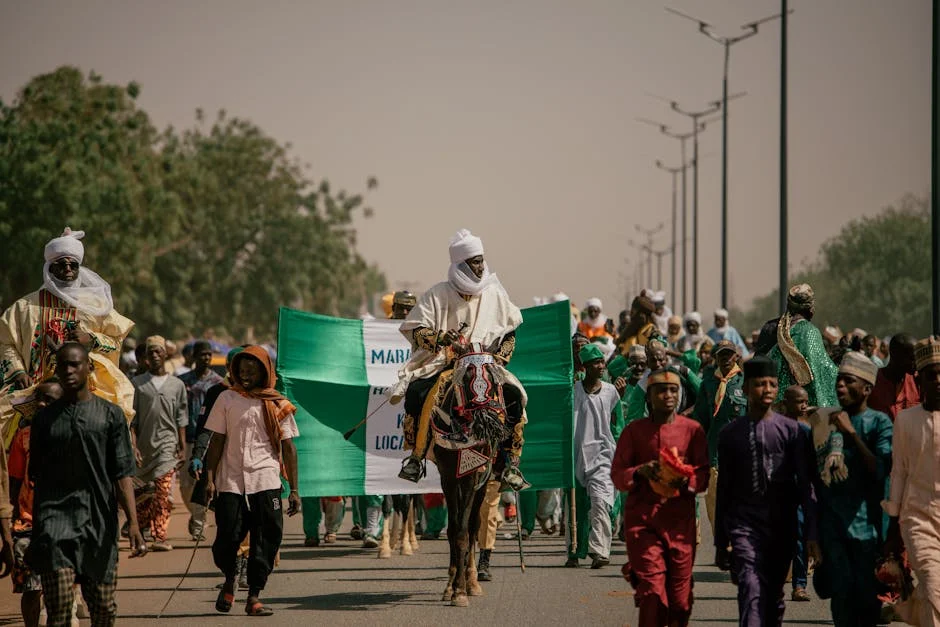
In Cambodia, a similar sentiment is echoed among the Nigerian community. The Nigerian Community in Cambodia (NCC) reported that at least 100 members are contemplating legal action if the government does not reconsider this policy. Their grievances highlight the growing disconnection between Nigerian expatriates and the home government, which they feel does not adequately support them during tough times.
Historical Context of Expatriates' Challenges
Historically, Nigerians living abroad have faced various challenges, including financial burdens from government policies and lack of support services. Many expatriates are in countries like the Philippines and Cambodia for better job opportunities, but policies like the monthly dues add to their difficulties. The Nigerian government has previously made pledges to support its diaspora, but many feel these promises have not been fulfilled.
According to a 2023 report by the Nigerian Bureau of Statistics, remittances from Nigerians abroad accounted for approximately $24 billion, showcasing the vital financial contribution they make to the economy. Yet, policies that create additional financial barriers can erode this support and strain relationships between the government and its citizens overseas.
The Impact on African Development Goals
This dispute is particularly relevant to African development goals, as it demonstrates the challenges faced by a significant portion of the diaspora. According to the African Union, diasporic contributions are essential for economic growth and poverty reduction. When governments impose heavy financial burdens, it undermines the potential of these individuals to contribute to national development.
Moreover, the tensions surrounding this issue reflect broader governance challenges that many African countries face, including accountability and the need for effective engagement with their citizens abroad. If handled poorly, such conflicts can deter future investment and weaken ties with the diaspora, crucial for capital inflows and knowledge transfer.
Next Steps for the Nigerian Government
The Nigerian government has yet to officially respond to the legal threats from expatriates. However, as the situation escalates, it may need to reconsider its approach toward the diaspora to preserve its relationship with citizens abroad. The Ministry of Foreign Affairs in Nigeria must prioritise dialogue with representatives from the Nigerian community in these countries to address their concerns effectively.
In the coming weeks, the Nigerian community in Cambodia and the Philippines plans to hold meetings to discuss their legal options and strategise on how to approach the government. This situation is a pivotal moment for the Nigerian diaspora, and how the government responds will be closely watched.
See Also
- From Milano Cortina to Dakar 2026: Olympic Dreams and African Opportunities
- Desiree Ellis Names 24-Player Banyana Banyana Squad for Algeria Friendlies
What is the latest news about nigerians in cambodia and philippines demand action over monthly dues dispute?
Why does this matter for economy-business?
What are the key facts about nigerians in cambodia and philippines demand action over monthly dues dispute?