On Friday, a Kenyan court stopped plans for a US-funded Ebola quarantine centre in the country, a decision that raises questions about health infrastructure and pandemic preparedness in Africa. The proposed facility, earmarked for construction in Kisumu, was designed to bolster the nation’s response to potential outbreaks.
Legal Ruling on the Quarantine Centre
The ruling came from the High Court of Kenya, where Judge John Mativo stated that the construction would violate environmental laws. This development is crucial, as it highlights ongoing tensions between public health needs and environmental considerations. The project was initially announced in June, with plans to allocate approximately $3 million for its establishment, meant to improve Kenya's capacity to respond to infectious diseases.
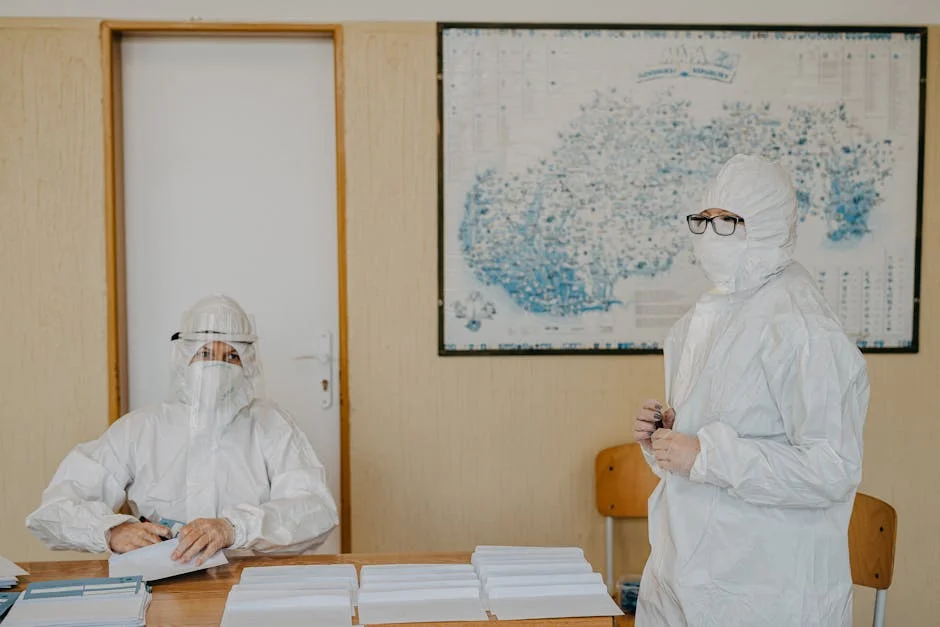
Kisumu, located on the shores of Lake Victoria, has seen an increase in infectious disease cases in recent years, prompting the government to seek international assistance. The court's ruling represents a significant setback, as Kenya was aiming to enhance its preparedness amid fears of an Ebola outbreak spilling over from neighbouring countries.
Context of the Decision
This ruling comes in the wake of renewed global concerns about Ebola, especially following outbreaks in Uganda and the Democratic Republic of Congo. Kenya's health authorities have been keen on strengthening their response mechanisms to avoid a similar fate. However, the backlash against the quarantine centre proposal indicates a complex relationship between health initiatives and the communities they aim to protect.
Opponents of the centre expressed fears that it would expose local populations to health risks without addressing the underlying infrastructural needs. The decision underscores a broader debate about how best to develop health facilities in alignment with community safety and environmental guidelines.
Impact on Development Goals
This legal setback reflects larger challenges in Africa's health agenda, particularly the need for sustainable development that harmonises public health with environmental protection. The African Union's Agenda 2063 emphasises the importance of resilient health systems. Kenya's halted plan complicates the achievement of these objectives, as it may impede the country’s ability to respond effectively to health emergencies.
With rising cases of infectious diseases across the continent, African nations are under pressure to bolster their health systems significantly. The lack of such facilities can delay responses to outbreaks, leading to broader implications for regional stability and economic growth.
Governance and Accountability
The Kenyan government now faces increased scrutiny regarding its governance and accountability in handling public health matters. This court ruling may necessitate a reevaluation of how health initiatives are implemented. Public trust is critical for effective health interventions, and without community buy-in, plans may falter.
In light of this decision, health officials must engage more transparently with communities to address concerns relating to safety and environmental impact. Collaborative governance involving local populations is essential to ensuring successful health initiatives that are both effective and widely accepted.
Future Directions
As Kenya navigates this setback, other African nations might look to its experience as a cautionary tale. The need for stronger regulatory frameworks and community engagement may emerge as key takeaways. Stakeholders should observe how the Kenyan government will adjust its health strategy, especially in light of the pressing need for Ebola preparedness.
What remains to be seen is whether alternative measures will be proposed to satisfy both public health requirements and environmental regulations. The country's health ministry is expected to announce new strategies soon, aiming to fulfil its commitment to improved health infrastructure and resilience against future health threats.
See Also
- France Shifts Sahel Focus to Kenya — A Strategic Gamble
- UJ Academic Appointed to Unesco Chair for Digital Inclusion in Africa