On Thursday, October 12, 2023, Nairobi hosted the East Africa Clean Energy Forum, drawing a diverse gathering of entrepreneurs, policymakers, and energy experts. The forum, organised by the Kenyan Ministry of Energy and Petroleum, focused on strategies to accelerate the transition to renewable energy across the region. Participants discussed the pressing need for innovative solutions in the face of climate change and energy insecurity.
Current Energy Landscape in East Africa
East Africa's energy sector is largely dominated by traditional sources, with renewables representing only 20% of the total energy mix as of 2022. This proportion needs urgent enhancement, especially considering the region's rich potential in solar and wind energy. The Kenyan government aims to increase the renewable energy share to 50% by 2030, which highlights a significant opportunity for local entrepreneurs to innovate.
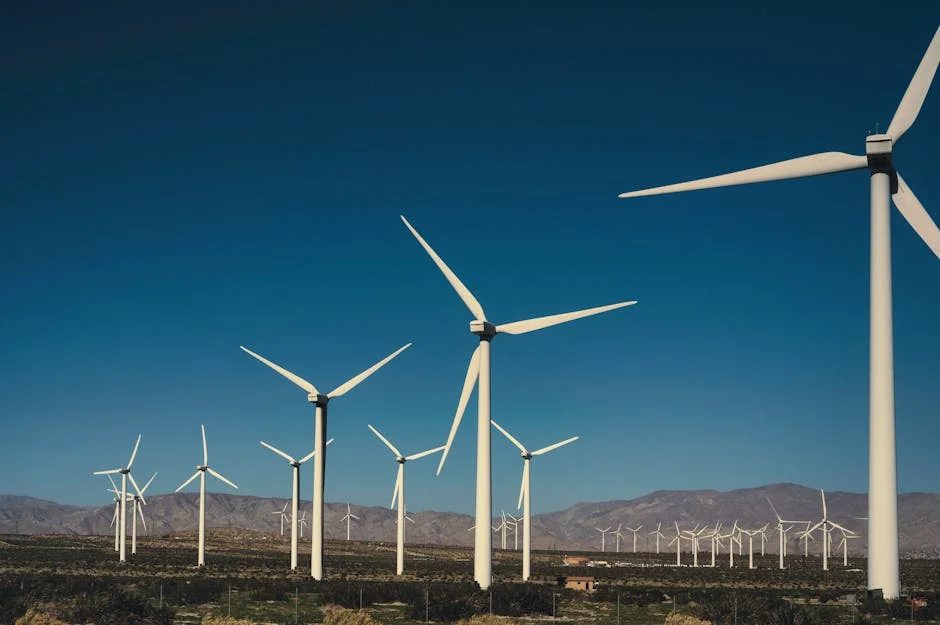
Nairobi, the bustling capital of Kenya, is emerging as a pivotal hub for clean energy initiatives. The city is currently home to over 50 startups focused on renewable energy solutions. These entrepreneurs are not just addressing local needs; they are also creating scalable models that can be replicated across other African nations, including Nigeria.
Challenges and Opportunities Ahead
Despite the promising outlook, numerous challenges persist. Access to financing remains a barrier for many startups aiming to scale their clean energy projects. According to recent reports, East African entrepreneurs face a funding gap of approximately $1.5 billion to implement their plans effectively. Forum participants stressed the need for collective action from government and private sectors to bridge this gap.
Moreover, infrastructure inadequacies pose significant hurdles. Many regions in East Africa lack the necessary grid systems to support large-scale renewable projects. Collaboration among countries in East Africa can lead to shared solutions, such as cross-border electricity trading and joint investments in infrastructure.
Highlighting Successful Initiatives
Several success stories emerged from the forum, showcasing how local innovations are making strides in clean energy. For instance, the solar company M-KOPA has connected over 1 million homes to solar power, significantly reducing reliance on diesel generators and kerosene. This kind of initiative is vital not only for environmental sustainability but also for improving health outcomes by reducing indoor air pollution.
Regional Collaboration Initiatives
The African Union is also playing a key role in fostering regional collaboration. The African Continental Free Trade Area (AfCFTA) is expected to facilitate the exchange of renewable technologies and expertise among member countries. This initiative could help streamline the integration of clean energy solutions and amplify local impacts.
Government Policy and Support
The Kenyan government has introduced various policies to bolster renewable energy, including tax incentives for clean energy investments and grants for innovative startups. These efforts are designed to attract both local and foreign investments, which are crucial for scaling up projects in the region.
At the forum, Kenya’s Cabinet Secretary for Energy and Petroleum, Davis Chirchir, emphasised the importance of policies that support green technology adoption. “Our commitment to a sustainable energy future relies heavily on the ingenuity of our entrepreneurs,” he stated, urging stakeholders to create a conducive environment for innovation.
Looking Ahead: Key Takeaways
Nairobi's role in the clean energy transition is crucial, not just for Kenya but for the entire East African region. As local entrepreneurs harness renewable resources, they also provide valuable lessons for countries like Nigeria, which are grappling with similar energy challenges.
The next major event on this theme is the East African Renewable Energy Conference scheduled for March 2024 in Kampala, Uganda. This conference promises to build on the discussions from Nairobi and further encourage collaborations that drive progress towards sustainable energy solutions.
See Also
- South African Clubs Threaten to Withdraw from European Tournaments Amid Discontent
- South Africa Faces Farm Crisis as Iran Conflict Triggers Soaring Costs
Collaboration among countries in East Africa can lead to shared solutions, such as cross-border electricity trading and joint investments in infrastructure.Highlighting Successful InitiativesSeveral success stories emerged from the forum, showcasing how local innovations are making strides in clean energy. For instance, the solar company M-KOPA has connected over 1 million homes to solar power, significantly reducing reliance on diesel generators and kerosene.
What is the latest news about nairobi entrepreneurs drive clean energy transition east africa seizes opportunity?
Why does this matter for environment-nature?
What are the key facts about nairobi entrepreneurs drive clean energy transition east africa seizes opportunity?