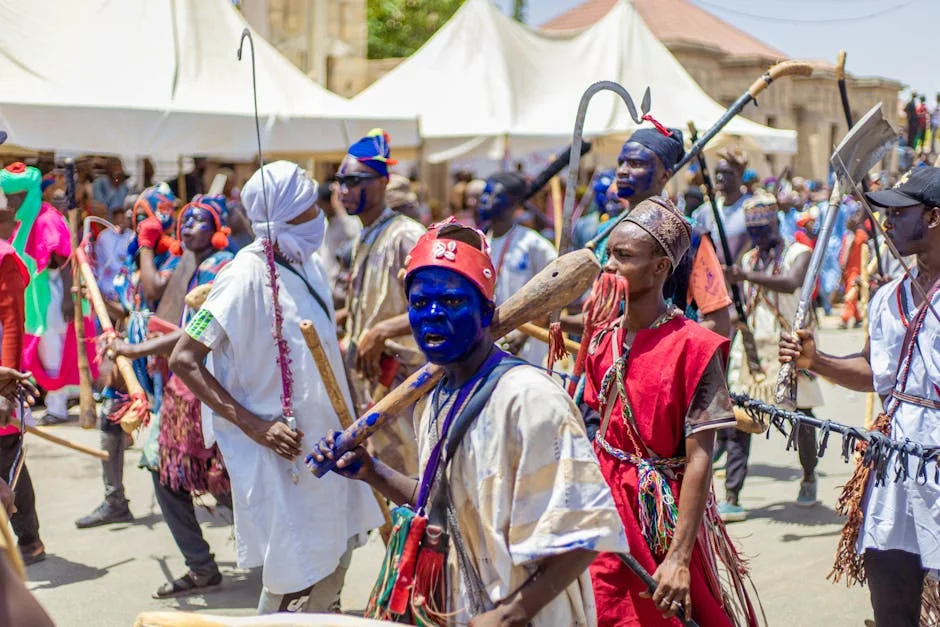
The Ojude Oba Festival in Ijebuland, Nigeria, recently attracted thousands of visitors, shining a spotlight on the region's cultural heritage. This year's event, held on September 25, 2023, celebrated over 100 years of tradition, showcasing the rich history and vibrant customs of the Ijebu people. The festival's success highlights a growing trend of cultural tourism that is poised to revitalise the local economy.
Cultural Significance and Economic Impact
The Ojude Oba Festival has deep cultural roots, drawing its name from the traditional ruler of Ijebuland, the Awujale of Ijebuland, Oba Sikiru Adetona. During the festival, participants don traditional attire, parade on horseback, and pay homage to the Oba, fostering community pride and unity among the Ijebu people. This year, an estimated 50,000 attendees participated, reflecting the event's rising popularity.
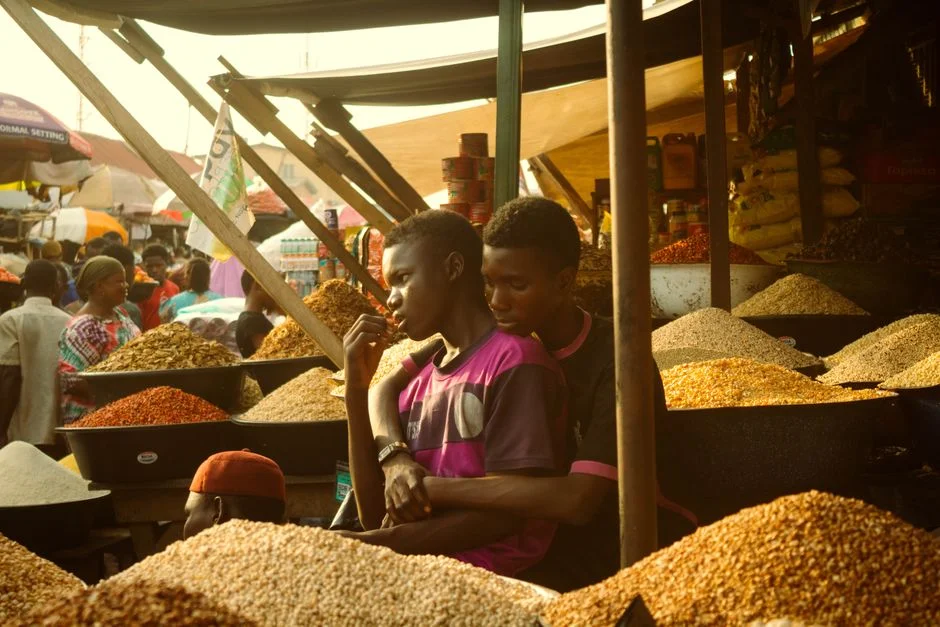
Local businesses benefited significantly during the festival, with street vendors reporting sales increases of up to 70% compared to ordinary days. According to the Ogun State Ministry of Culture and Tourism, the festival is expected to generate over ₦2 billion (approximately $4.5 million) in revenue for the region.
Government Support and Investment Opportunities
Nigeria's federal and state governments have increasingly recognised the importance of cultural festivals as a means of advancing tourism and economic growth. Ogun State has invested in improving infrastructure in Ijebuland, including roads and public facilities, to accommodate the influx of tourists during major events like the Ojude Oba Festival.
Investors are also showing interest in developing hospitality and entertainment ventures in the area, sensing a unique opportunity to capitalise on the growing cultural tourism market. Local stakeholders are optimistic that ongoing support will further boost Ijebuland's status as a tourist destination.
Challenges and the Path Forward
Despite the success of the Ojude Oba Festival, Ijebuland faces challenges, including insufficient infrastructure and inconsistent power supply, which could hinder future growth. Stakeholders are calling for continued investment from both the government and private sector to address these issues.
Furthermore, the need for effective marketing strategies to promote Ijebuland beyond the festival season remains paramount. Leveraging digital platforms could enhance visibility and sustain interest in the region's cultural offerings.
Ojude Oba's Role in Africa's Development Goals
The Ojude Oba Festival aligns with several African development goals, particularly in promoting sustainable tourism and preserving cultural heritage. By attracting international visitors, Ijebuland can forge stronger economic ties and foster regional stability.
In a broader context, cultural festivals like Ojude Oba not only contribute to local economies but also enhance Africa's global image, showcasing the continent's rich traditions and diversity. The successful execution of such events could serve as a model for other regions aiming to harness culture as a driver of economic development.
What to Watch Next
As Ijebuland continues to gain recognition through the Ojude Oba Festival, attention will turn to the upcoming annual events and how local authorities plan to expand their tourism initiatives. Stakeholders will be keenly observing the implementation of infrastructure improvements and marketing campaigns aimed at sustaining interest throughout the year.
With the next festival set for 2024, anticipation is already building. Local leaders will strive to ensure that the momentum generated this year translates into lasting economic benefits for the community and a stronger cultural presence on the global stage.
See Also
- Nigeria Sets March 31 Deadline for Reopening Enugu-Onitsha Expressway
- Tchamba Leaves Casa Pia for Remo: What This Means for Central and Nigeria