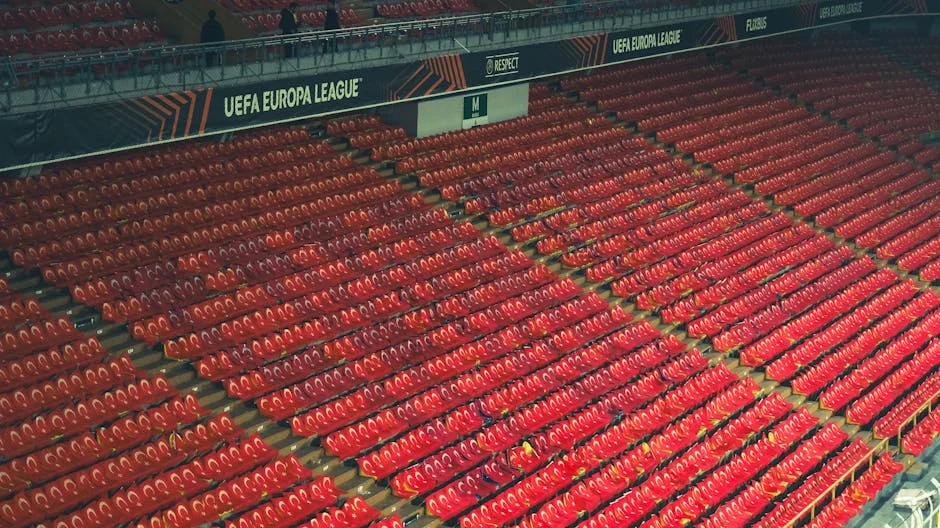
The Democratic Republic of the Congo (DRC) is seeking refunds on World Cup ticket purchases following a resurgence of Ebola. In a public statement, the Minister of Sports, Serge Nkonde, announced that the health crisis has effectively barred fans from attending the international matches scheduled for 2026.
Impact on Sports and Health in Congo
The DRC has experienced multiple Ebola outbreaks, with the latest reported case emerging in North Kivu Province. The government has confirmed 14 new infections since the outbreak was announced in August 2023. As a result, Nkonde stated that the safety of citizens and football fans takes precedence over participating in the World Cup qualifiers.
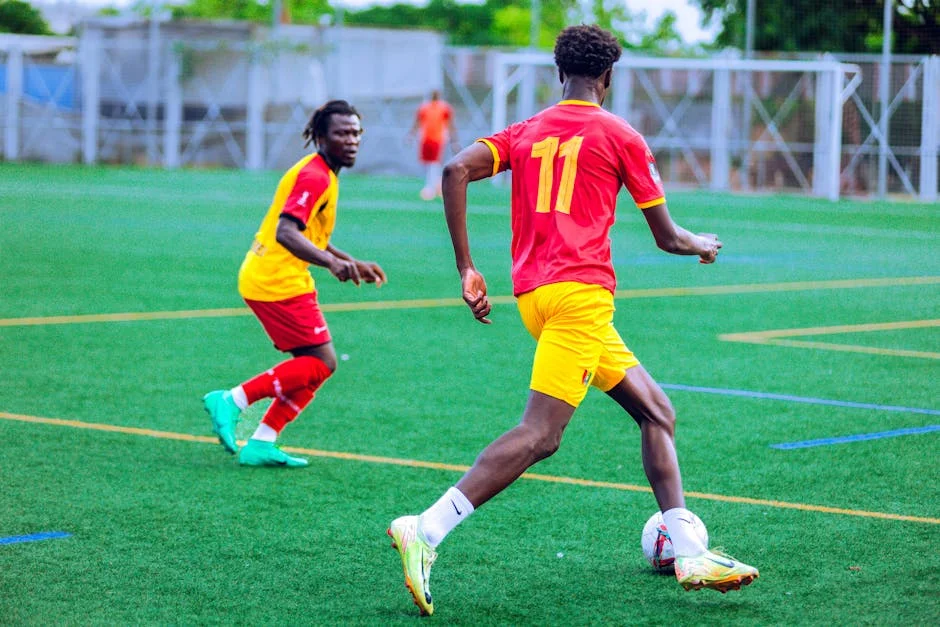
This decision reflects the ongoing struggle the DRC faces in managing health crises while promoting national pride through sports. In the eyes of many, the government’s prioritisation of public health over sports not only showcases responsible governance but also aligns with African development goals centred around health and well-being.
The Response from FIFA and Ticket Costs
FIFA, the governing body for world football, has received petitions from the DRC Ministry of Sports concerning ticket refunds. Tickets for the upcoming World Cup qualifiers were priced at about $100 each, with many supporters purchasing in advance for what was expected to be a historic opportunity for the team.
While FIFA has not yet issued an official response to the DRC's demands, the situation raises questions about how international sporting events can adapt to emerging health concerns across Africa. In light of this scenario, Egypt successfully staged its own World Cup qualifiers despite a spike in COVID-19 cases, serving as a potential model for flexible event management.
Broader Implications for African Development
The interplay between health crises like Ebola and major sporting events highlights the challenges African nations face in achieving economic growth and development. Investments in healthcare, infrastructure, and governance are critical to ensuring that countries can both manage health risks effectively and partake in global events that stimulate tourism and revenue.
Furthermore, the DRC's current struggle presents an opportunity for initiatives aimed at strengthening regional health systems. Collaboration with international health organisations could lead to improved capacity for rapid response to health emergencies and enhance community resilience.
Health Infrastructure in the Face of Challenges
The limited healthcare infrastructure in the DRC remains a significant obstacle. The country has one of the lowest healthcare spending rates in the world, with only 6.1% of its GDP allocated to health. As the government grapples with the Ebola outbreak, the need for increased investment in healthcare systems is more urgent than ever.
Enhanced health infrastructure not only benefits the current population but is also essential for international events. A robust healthcare framework can instil confidence in both citizens and foreign visitors, thereby improving the country’s global perception and attractiveness for future sporting events.
Looking Ahead: What to Watch
With the DRC actively seeking refund options, the outcome will likely impact its participation in future sports events. The government must also address the ongoing Ebola outbreak effectively to reassure citizens and pave the way for normalcy.
As the situation develops, observers will watch closely to see how the DRC and FIFA will navigate the complexities of public health and international sport, along with the ramifications for economic growth and development in the region. Upcoming meetings between DRC officials and FIFA are set for late November, where future protocols and support measures will likely be discussed.
See Also
- U.S. State Department Announces New Ebola Measures Amid Outbreak in DRC
- Carrie Ann Inaba Reports In-Flight Emergency — US Health Officials Investigate
Collaboration with international health organisations could lead to improved capacity for rapid response to health emergencies and enhance community resilience.Health Infrastructure in the Face of ChallengesThe limited healthcare infrastructure in the DRC remains a significant obstacle. Investments in healthcare, infrastructure, and governance are critical to ensuring that countries can both manage health risks effectively and partake in global events that stimulate tourism and revenue.Furthermore, the DRC's current struggle presents an opportunity for initiatives aimed at strengthening regional health systems.