As the Congo implements rigorous bans on the hunting and consumption of wild meat, concerns arise over food security for millions of inhabitants across Central Africa. The move, aimed at preserving endangered species, has ignited a heated debate about the balance between conservation and sustenance.
The Context of the Ban
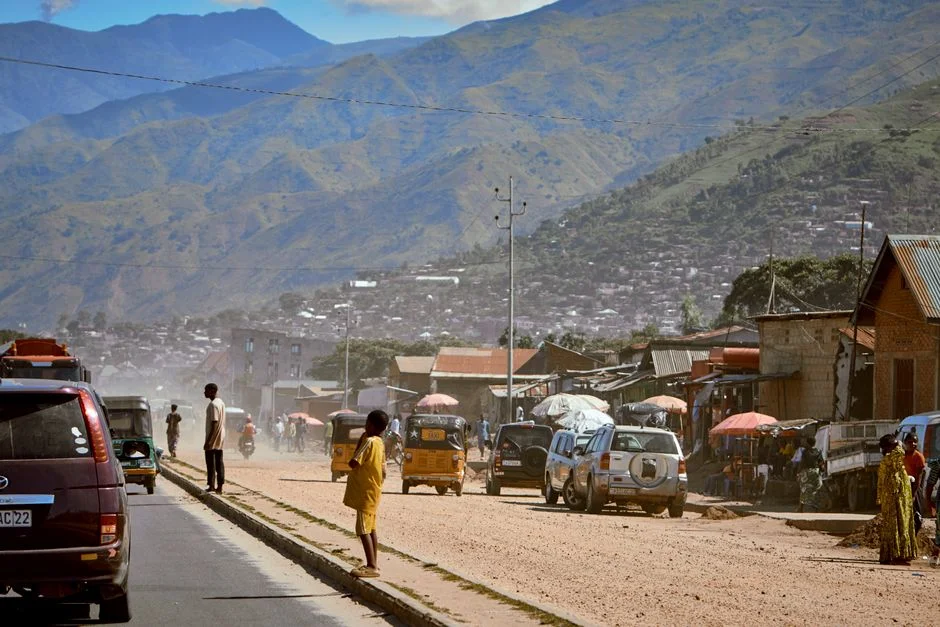
Central Africa has long relied on wild meat as a primary source of protein. In countries like the Republic of the Congo, approximately 50% of rural households depend on bushmeat for their daily nutritional needs. The government argues that strict regulations are essential to protect dwindling wildlife populations, yet critics warn that these measures may exacerbate poverty and malnutrition.

Health and Nutritional Implications
Wild meat, often rich in protein and essential nutrients, plays a critical role in the diet of many Central African communities. According to a 2022 study by the Central African Forest Commission, deficiencies in protein intake among rural populations can lead to stunted growth and increased susceptibility to diseases.
Health experts assert that outright bans could force families to rely on less nutritious alternatives, resulting in long-term health consequences. Local nutritionist Dr. Marie Kambou cautioned, "Without access to wild meat, we risk facing a public health crisis that could strain our already fragile healthcare systems."
Economic Impact on Local Communities
Beyond nutrition, economic ramifications loom large. The wild meat trade supports countless livelihoods, from hunters to vendors. A report by the Congo Ministry of Environment indicated that the informal economy surrounding bushmeat generates upwards of $120 million annually, directly impacting food vendors and local markets.
While the government aims to stimulate alternative livelihoods through ecotourism and sustainable agriculture, many locals are sceptical about these initiatives. The transition could take years, leaving millions without immediate income.
Balancing Conservation and Food Security
The challenge now lies in finding a compromise that addresses both conservation needs and food security. Various NGOs, such as the Wildlife Conservation Society, advocate for community-based management strategies that allow sustainable harvesting of wildlife while ensuring ecological balance.
By engaging local populations in conservation efforts, advocates believe it is possible to reduce poaching and promote biodiversity without sacrificing food sources. Education programs focused on sustainable hunting practices also play a crucial role in this strategy.
Regional Response and International Pressure
Neighbouring countries are closely watching the situation in the Congo, as similar bans could emerge elsewhere in Central Africa. The African Union has called for dialogue between governments and local communities to develop inclusive policies that consider both environmental and human needs.
International organisations have joined the conversation, urging that any measures taken should include provisions to support vulnerable populations. The United Nations Food and Agriculture Organization (FAO) emphasised, “Food security must be at the forefront of wildlife management discussions.”
What Lies Ahead?
As discussions continue, Central Africa faces a critical juncture. The upcoming conference on biodiversity scheduled for next month will provide a platform for stakeholders to address the tensions between conservation and human development.
In the meantime, millions are left to navigate the immediate consequences of these bans. How governments respond in the coming weeks will shape the future of both wildlife conservation and food security in the region.
See Also
- Zimbabwe Begins Roll-Out of Long-Acting HIV Prevention Drug
- Ormuz Launches Labor Reform Bill in Lisbon Amid Economic Pressures
Education programs focused on sustainable hunting practices also play a crucial role in this strategy.Regional Response and International PressureNeighbouring countries are closely watching the situation in the Congo, as similar bans could emerge elsewhere in Central Africa. The United Nations Food and Agriculture Organization (FAO) emphasised, “Food security must be at the forefront of wildlife management discussions.”What Lies Ahead?As discussions continue, Central Africa faces a critical juncture.