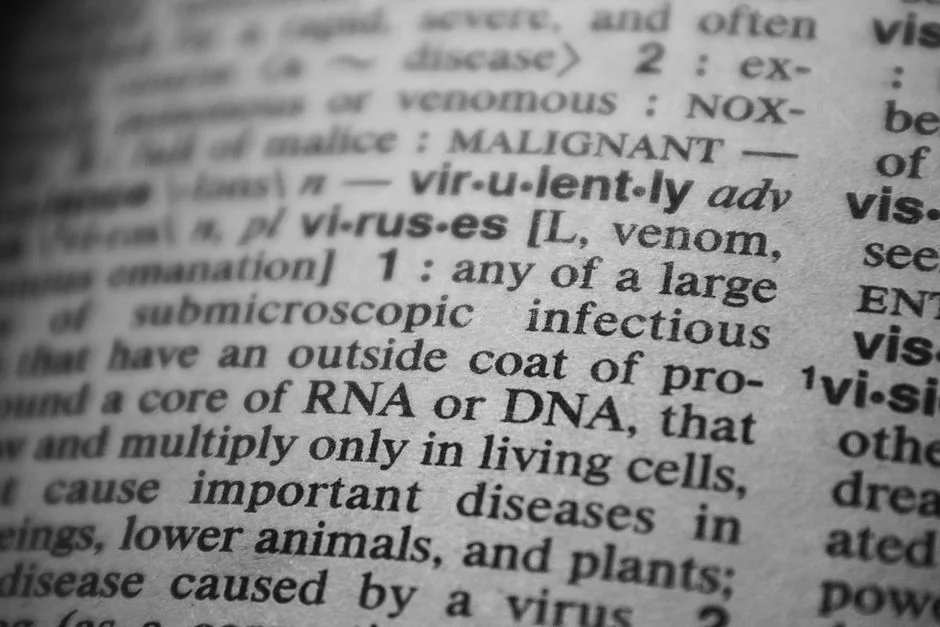
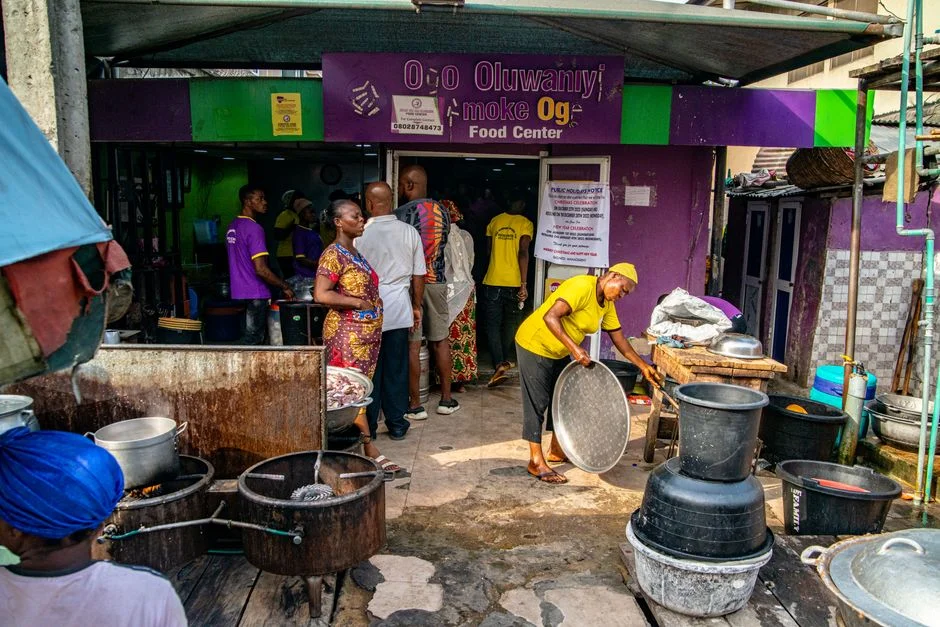
Health workers in Masisi town in the Democratic Republic of the Congo confirm that the Ebola virus has returned with brutal efficiency. The outbreak forces communities in North Kivu province to confront a pathogen that already claimed thousands of lives during the 2018-2020 epidemic. This resurgence highlights the fragile state of public health infrastructure across the continent.
The Return of a Familiar Enemy
The World Health Organization confirmed the latest cases in late May 2024. The virus is the same strain that caused the second-largest Ebola outbreak in history. Health officials in Goma report that the virus is spreading through dense forests and crowded urban centers. The speed of transmission worries regional health planners.
Local leaders describe the situation as chaotic. Residents in Masisi face shortages of basic supplies. The fear is palpable in markets and clinics. People hide their symptoms to avoid isolation. This behavior complicates the work of contact tracers. The virus thrives when trust in the system erodes.
Infrastructure Deficits Hamper Response
The Democratic Republic of the Congo lacks sufficient hospital beds. Many clinics in North Kivu rely on donated generators. Power cuts disrupt the cold chain for vaccines. This infrastructure gap is not unique to Congo. Many African nations face similar challenges in rural health delivery. The continent’s development goals include universal health coverage. This outbreak tests that ambition.
Road networks in the region are often in disrepair. Ambulances can take hours to reach patients. The distance between a fever and a diagnosis can be fatal. Investors have poured money into mining and agriculture. Health infrastructure receives a smaller share of the budget. This imbalance leaves populations vulnerable to shocks.
Logistical Nightmares in North Kivu
Transporting medical supplies to remote villages is difficult. The roads are muddy and poorly lit. Trucks often break down due to engine heat. Health workers walk for miles to reach patients. This physical toll leads to high turnover rates. The loss of experienced nurses weakens the response.
Water sanitation remains a critical issue. Many households drink from the same river as livestock. Contamination spreads quickly in these conditions. The lack of clean water increases the risk of secondary infections. This factor exacerbates the mortality rate. Addressing water access is a development priority.
Pan-African Health Security at Stake
The outbreak affects more than just Congo. Neighboring countries like Uganda and Rwanda fear spillover. Cross-border trade slows down as checkpoints tighten. The East African Community monitors the situation closely. Regional cooperation is essential for containing the virus. The African Union’s disease control center coordinates efforts.
Nigeria watches the crisis with keen interest. The West African nation suffered its own Ebola outbreak in 2014. That experience reshaped Nigeria’s health policy. The country invested in disease surveillance systems. However, budget constraints often limit implementation. The lesson is clear: health security requires sustained funding.
The continent faces a choice. Nations can react to outbreaks or prepare for them. The African Development Bank funds several health projects. These initiatives aim to build resilience. The current crisis tests the effectiveness of these investments. Success depends on political will and community engagement.
Political Instability Fuels the Crisis
North Kivu is one of the most volatile regions in Africa. Militias fight for control of mineral-rich land. The military presence is heavy but not always effective. Displaced persons live in makeshift camps. These camps become hotspots for disease transmission. The overlap of conflict and health crises is deadly.
The government in Kinshasa struggles to project power. Local leaders sometimes distrust national officials. This tension hinders the distribution of aid. Some communities suspect that the virus is a weapon. Rumors spread faster than the truth. Addressing misinformation is part of the battle.
Political stability is a prerequisite for health progress. Investors are hesitant to fund projects in unstable regions. This creates a vicious cycle. Poverty leads to disease, and disease deepens poverty. Breaking this cycle requires long-term political solutions. The current emergency is a symptom of deeper issues.
Economic Impact on Households
The cost of illness falls heavily on families. Medical bills can wipe out a year’s income. Many patients sell livestock or land to pay for treatment. This economic shock pushes households into debt. The informal sector bears the brunt of the disruption. Markets close, and wages stagnate.
Local businesses suffer from reduced foot traffic. Shops in Masisi report a 30 percent drop in sales. This decline affects the local economy. Suppliers face delayed payments. The ripple effect extends to neighboring towns. Economic resilience is as important as medical intervention.
Microfinance institutions play a key role. They provide small loans to help families cope. However, repayment becomes difficult during an epidemic. Default rates rise, straining the financial system. This dynamic highlights the interconnectedness of health and economy. Policies must address both dimensions.
Community Trust Is the Key
Health workers face resistance in some areas. Traditional healers remain popular alternatives. Integrating traditional and modern medicine can help. Local leaders must endorse vaccination campaigns. Their endorsement carries weight in rural communities. Trust is built through consistent communication.
Education plays a vital role in prevention. Schools teach children about hygiene and symptoms. These lessons reach families through students. Community health workers visit homes with messages. They use local languages and cultural references. This approach increases comprehension and acceptance.
The success of the 2018 outbreak response was partly due to trust. Communities accepted the ring vaccination strategy. This time, officials must replicate that success. Engaging with religious leaders is also important. Their influence can mobilize large groups. A unified message reduces confusion.
Looking Ahead: The Road to Recovery
The next few weeks are critical for containment. Health officials aim to isolate all known cases. Vaccination drives will expand to neighboring villages. The World Health Organization monitors the data daily. New cases will determine the scope of the emergency. The goal is to flatten the curve quickly.
Investors and donors are increasing their contributions. The African Development Bank announced a new health fund. This fund will support infrastructure upgrades. Governments must allocate matching funds. Coordination between agencies is essential. Fragmented efforts lead to waste and delays.
Congolese citizens look to their leaders for action. The crisis demands transparency and efficiency. The outcome will shape health policy for years. Other African nations will watch closely. The lessons learned in Masisi will apply across the continent. Health security is a shared responsibility. The clock is ticking as health workers race against the virus.
See Also
- Ivory Coast Cocoa Growers Slammed by 60% Price Cut — What It Means for Farmers
- Athletic Bilbao Names Landeta to New Board Amid Re-election Bid
What is the latest news about dr congos new ebola outbreak exposes fatal health gaps?
Why does this matter for politics-governance?
What are the key facts about dr congos new ebola outbreak exposes fatal health gaps?